The most effective materials for marking queen bees are typing correction fluid, enamel model paints, and water-based art pens. These options are selected because they adhere well to the insect's exoskeleton and offer the necessary visibility, though they differ in application method and drying speed.
Marking a queen is a critical management practice for tracking age and origin, but the safety of the hive matriarch is paramount. The ideal marking medium must be non-toxic, durable enough to last the queen's lifetime, and fast-drying to ensure she is not rejected by the colony upon return.
Evaluating Marking Materials
The choice of material often depends on the beekeeper's dexterity and the specific requirements for durability and drying speed.
Water-Based Art Pens
Water-based acrylic markers are widely considered the most convenient option for general beekeeping. They combine the paint and applicator into a single tool, eliminating the need for separate brushes.
These markers, such as the industry-standard Posca pens, are favored for their low toxicity. They allow for a precise, gentle application on the thorax with a soft tip.
Typing Correction Fluid
Correction fluid is a highly effective, utilitarian choice. Its primary advantage is that it dries very rapidly, reducing the time you must hold the queen before releasing her.
Despite containing solvents, the aliphatic hydrocarbons used in these fluids do not appear to negatively alter the queen's scent profile. This minimizes the risk of the colony balling (attacking) the queen due to odor confusion.
Enamel Paints
Enamel paints, commonly used for modeling, offer a robust alternative. They are available in a vast spectrum of vibrant colors, which is helpful for custom coding systems.
The significant trade-off with enamel is the drying time. Enamel generally takes longer to set than correction fluid or acrylics, requiring you to cage or hold the queen longer to prevent the paint from smearing.
Numbered Stickers
For advanced genetics tracking, paint may be substituted with numbered discs. These are glued to the thorax and are typically reserved for valuable breeder queens where individual identification is more important than simple age tracking.
The International Color Standard
While you can use any color for general identification, following the standardized color code allows you to instantly determine the age of a queen.
The Five-Year Cycle
Beekeepers utilize a five-color rotation based on the year ending digit. This system repeats every five years, covering the maximum expected lifespan of a queen.
The Color Schedule
The convention follows the mnemonic "What, You Raise Green Bees?" (White, Yellow, Red, Green, Blue).
- White: Years ending in 1 or 6.
- Yellow: Years ending in 2 or 7.
- Red: Years ending in 3 or 8.
- Green: Years ending in 4 or 9.
- Blue: Years ending in 5 or 0.
Understanding the Trade-offs
Marking a queen involves handling a delicate insect; selecting the wrong material or method can lead to injury or supersedure (replacement) by the hive.
Drying Time vs. Safety
The most critical variable is drying time. If you release a queen while the paint is "tacky," it may contaminate the worker bees cleaning her.
Worse, wet paint can smudge onto her antennae or eyes, permanently impairing her senses. Correction fluid offers the safest margin here due to its rapid evaporation.
Toxicity and Odor
While water-based markers are generally non-toxic, strong chemical odors from non-standard paints can mask the queen's pheromones.
Always verify that the specific brand of marker or paint is aliphatic or water-based. Avoid general-purpose industrial paints that may contain aggressive solvents lethal to insects.
Making the Right Choice for Your Goal
To ensure the longevity of your queen and the accuracy of your records, select the medium that matches your experience level.
- If your primary focus is convenience and safety: Use water-based acrylic pens (like Posca) for a non-toxic, all-in-one solution that requires no cleanup.
- If your primary focus is speed: Use typing correction fluid, as its rapid drying time minimizes the handling duration and stress on the queen.
- If your primary focus is genetic tracking: Use numbered stickers or fine-tip enamel to record specific lineage data rather than just the year.
The goal is to apply a durable, visible mark that allows you to assess the queen's status without ever compromising her physiological function.
Summary Table:
| Marking Material | Drying Speed | Durability | Best For |
|---|---|---|---|
| Water-Based Pens | Medium | High | General use & safety |
| Correction Fluid | Very Fast | Medium | Quick handling & speed |
| Enamel Paints | Slow | Very High | Custom color coding |
| Numbered Discs | N/A | High | Advanced genetic tracking |
Elevate Your Beekeeping Operation with HONESTBEE
At HONESTBEE, we understand that precision in queen management is vital for the success of commercial apiaries and distributors. Whether you are scaling your honey production or supplying the next generation of beekeepers, we provide the high-quality tools you need to succeed.
Our comprehensive wholesale portfolio includes:
- Specialized Machinery: From hive-making to honey-filling machines.
- Essential Tools: Durable queen marking supplies, hive tools, and protective gear.
- Consumables & Merchandise: A wide array of industry essentials and honey-themed cultural goods.
Partner with a supplier that values your hive's health and your business's growth.
Contact HONESTBEE Today to Discuss Bulk Pricing and Custom Solutions
Related Products
- Queen Bee Marking Pen POSCA Queen Marking Pens for Beekeeping Bee Markers
- Queen Bee Marking Pen UNI Medium Point for Queen and Bee Marking
- Plastic Long Marker Device for Catching and Marking Bees Queen Bee Marking Tube and Cage
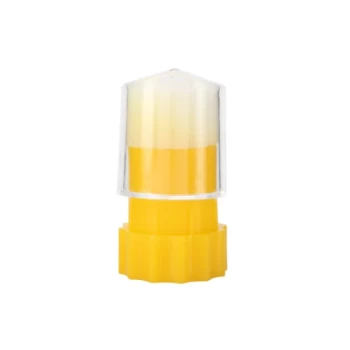
- One Hand Yellow Queen Marking Catcher Tube Cage Beekeeper Tool Accessory for Queen Bee
- Queen Bee Catcher Plastic Bee Marker Bottle with Piston Marking Tube
People Also Ask
- What role do specialized marking pens and color-coding systems play in honeybee tracking? Enhance Research Precision
- Why are specialized marking pens used for stingless bee queens? Essential Tools for Large-Scale Breeding Success
- How should a new paint pen be primed before marking a queen bee? Essential Tips for Safe & Clear Markings
- How should a queen bee marking pen tip be properly primed? Master the Art of Safe Queen Marking
- What specifications are required for a high-quality queen bee marking pen? Ensure Safety and Precision for Your Colony