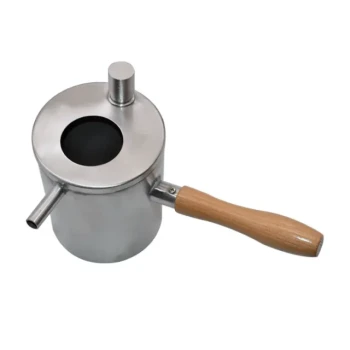
The initial treatment of stingless bee propolis and beeswax relies primarily on specialized separation and pressing equipment. These tools are essential for physically isolating viscous resins from food stores and removing impurities from raw hive materials. By utilizing these technologies, producers can extract pure resin and wax while maintaining the bioactive integrity required for pharmaceutical, cosmetic, and food industry standards.
Core Takeaway Achieving commercial-grade purity in stingless bee products requires moving beyond simple manual harvesting to precision mechanical processing. The goal is to isolate bioactive compounds and stable waxes without cross-contamination, transforming raw by-products into high-value industrial inputs.
The Unique Challenge of Stingless Bee Processing
Complex Hive Architecture
Unlike standard honeybees, stingless bees create intricate nest structures where propolis, honey, and pollen are physically interconnected. This complex arrangement makes simple extraction impossible without specialized tools.
The Risk of Cross-Contamination
Because materials are mixed within the hive, the primary technical challenge is separating resinous propolis from food stores. Failure to separate these elements effectively leads to contamination that degrades the commercial value of both the honey and the propolis.
Essential Processing Equipment
Material Separation Tools
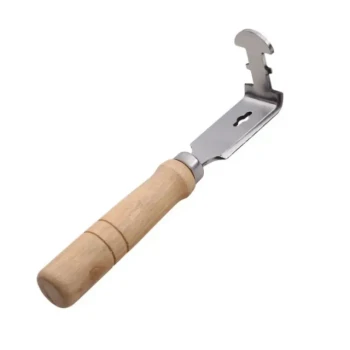
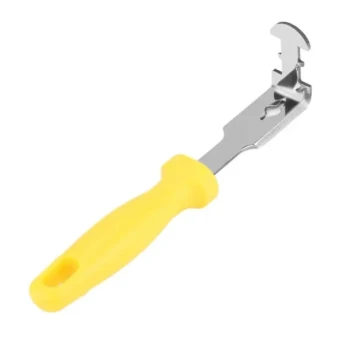
Specialized separation tools are required during the harvesting phase to physically divide viscous resinous propolis from honey and pollen. These tools prevent the mixing of distinct hive products, ensuring that the harvested propolis retains its high purity.
Pressing and Extraction Units
Once separated, the raw material typically undergoes mechanical pressing. This equipment is designed to extract the pure resin and wax from the rough hive scrapings, maximizing the yield of usable raw material.
Initial Filtration Systems (30-Mesh)
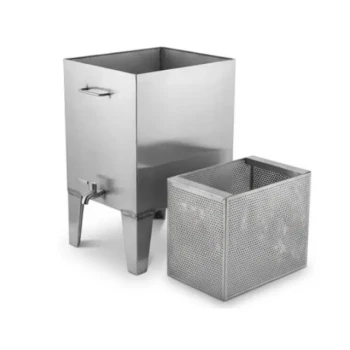
In the extraction phase—specifically when creating propolis slurries with ethanol—a 30-mesh screen is the industry standard for initial separation. This specific mesh size retains coarse residues, undissolved impurities, and large beeswax particles. It allows the extraction liquid, which carries the target active components, to pass through for further processing.
Advanced Refining Technologies
Temperature-Controlled Heating
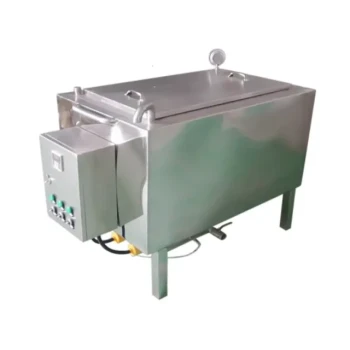
For beeswax refining, equipment with precise temperature controls is necessary. This physical method separates wax from impurities without overheating, which ensures the wax maintains the insulation properties and physical stability required for electronics and aviation applications.
Centrifugal Separation
Centrifuges are employed to remove moisture and fine impurities from the raw materials efficiently. This step is critical for preventing spoilage and ensuring the long-term stability of the final extract.
Multi-Stage Filtration
Beyond the initial 30-mesh screen, advanced processing often involves multi-stage filtration. This deep-processing capability is what allows raw hive by-products to meet the stringent purity standards of the pharmaceutical and health supplement markets.
Understanding the Trade-offs
Preservation vs. Efficiency
While modern machinery maximizes the preservation of bioactive compounds compared to traditional manual extraction, it introduces complexity. Manual methods are lower cost but often result in lower purity and higher loss of active ingredients due to inefficient separation.
Precision vs. Volume
High-precision equipment ensures consistent bioactive levels but requires strict operational parameters. For example, while automatic liquid filling machines offer precision and reduced oxidation for the final product, they represent a significant capital investment compared to manual packaging.
Making the Right Choice for Your Operation
To select the appropriate equipment, you must define the end-market for your extracts.
- If your primary focus is Pharmaceutical or Cosmetic Grade: Prioritize centrifugal separation and multi-stage filtration to ensure maximum purity and the retention of bioactive stability.
- If your primary focus is Raw Material Volume: Focus on high-efficiency pressing and separation tools to maximize the extraction of resin from the complex hive structure with minimal waste.
- If your primary focus is Product Shelf-Life: Invest in temperature-controlled refining and automated filling systems to minimize oxidation and moisture content in the final product.
Success in stingless bee processing is defined by the ability to mechanically separate complex hive structures without degrading the delicate chemical properties of the resin and wax.
Summary Table:
| Equipment Type | Primary Function | Industry Standard / Key Feature |
|---|---|---|
| Material Separation Tools | Isolates resinous propolis from honey/pollen | Prevents cross-contamination |
| Pressing & Extraction Units | Extracts pure resin and wax from scrapings | Maximizes raw material yield |
| 30-Mesh Filtration Screen | Removes coarse residues and large particles | Industry standard for initial slurry |
| Centrifugal Separators | Removes moisture and fine impurities | Ensures long-term product stability |
| Refining Units | Temperature-controlled heating | Protects physical & chemical properties |
Elevate Your Beekeeping Operation with HONESTBEE
Are you a commercial apiary or a distributor looking to scale your production of high-value stingless bee products? At HONESTBEE, we specialize in providing the professional-grade infrastructure you need to succeed.
We offer a comprehensive wholesale range, including:
- Advanced Machinery: From hive-making to precision honey-filling and resin-pressing machines.
- Specialized Hardware: Durable, industry-standard beekeeping tools designed for efficiency.
- Essential Consumables: A full spectrum of supplies to keep your facility running smoothly.
- Cultural Merchandise: Honey-themed products to expand your brand's reach.
Whether you are refining bioactive propolis for the pharmaceutical industry or supplying distributors with premium beeswax, our equipment ensures maximum purity and commercial value. Let us help you transform your raw hive materials into industrial-grade assets.
Contact HONESTBEE Today to Discuss Your Wholesale Needs
References
- Hearty Salatnaya, A. M. Fuah. Potential growth of meliponiculture in West Halmahera, Indonesia. DOI: 10.1088/1755-1315/399/1/012046
This article is also based on technical information from HonestBee Knowledge Base .
Related Products
- Electric Flatting and Embossing Machine with Tray for Beekeeping
- Fully Automatic Beeswax Embossing Machine Foundation Mill
- Professional Stainless Steel Frame Cleaner with Ergonomic Wood Handle
- Electric Commercial Beeswax Melter for Factory Use
- Electric Beeswax Flat Sheet Machine with Operating Tray for Wax Processing
People Also Ask
- What are the advantages of implementing a pulley and belt drive system in beeswax foundation machinery? Master Quality.
- What are the primary technical challenges faced by beeswax foundation production machinery? Tackling Lipophilic Residues
- How does the beeswax flatting and embossing machine prepare the wax for processing? Achieve Perfectly Uniform Wax Sheets
- What is the purpose of the beeswax flatting and embossing machine? Boost Hive Efficiency & Honey Production
- What are the sequential stages of operation for a beeswax flatting and embossing machine? Master High-Quality Wax Sheets