The most appropriate time to add a queen excluder is generally when you are ready to add a honey super to the hive for expansion. While a beekeeper can technically add one at any time, it is most effective when the colony is populous, the brood boxes are full, and a nectar flow is actively occurring or imminent.
Core Takeaway Do not install an excluder based solely on the calendar; it must be based on hive strength. The brood chamber should be fully established and teeming with bees before you restrict the queen's movement, otherwise, you risk stunting the colony's growth.
Prerequisites for Installation
Before placing the excluder, you must evaluate the "Deep Need" of the hive—specifically its health and readiness to expand.
Hive Population Strength
You should strictly avoid using an excluder on weak or small colonies. The brood boxes must be full of bees and brood before an excluder and honey super are added.
The Nectar Flow
The ideal timing coincides with a nectar flow (usually in spring). The bees need a motivation to move through the excluder, and the drive to store surplus nectar provides this incentive.
Temperature Considerations
It is critical to wait until nighttime temperatures consistently stay above 50 degrees Fahrenheit. If the excluder is added too early when nights are cold, the cluster may have difficulty maintaining the necessary warmth for the brood.
The Installation Process
Once the conditions are met, the physical installation focuses on hive organization and queen location.
Proper Placement
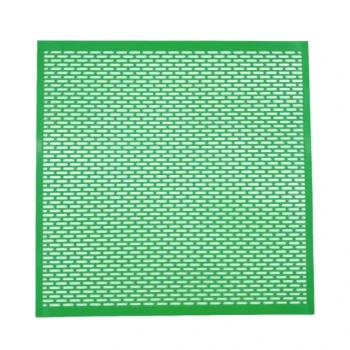
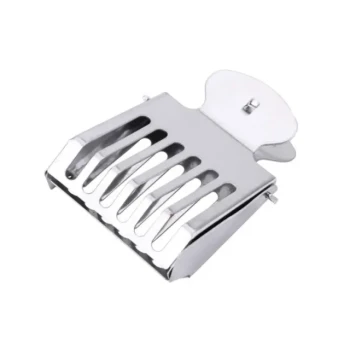
The excluder acts as a specialized grid designed to separate brood rearing from honey storage. It is placed directly on top of the uppermost brood box, sitting between that box and the first honey super.
Locating the Queen
You must verify the queen is in the brood chamber below the excluder. If she is trapped above it, she will lay eggs in your honey supers, defeating the purpose of the device.
Encouraging Movement
To encourage worker bees to pass through the grid, you can move a couple of frames of honey or sealed brood from the brood chamber into the honey super. This "baits" the bees upward.
Handling Existing Brood
If you are adding an excluder to a hive that already has brood in the honey supers, you cannot harvest immediately. You must wait at least 24 days before extracting to ensure all worker and drone brood have hatched and the cells are backfilled with honey.
Understanding the Trade-offs
While excluders offer benefits like cleaner honey and better hive organization, there are potential downsides you must manage.
The "Honey Barrier"
Some beekeepers find that excluders can act as a barrier. If the nectar flow is not strong, worker bees may be reluctant to squeeze through the grid, potentially leading to backfilling in the brood nest (honeybound hive).
Drone Entrapment
Drones are larger than workers and cannot pass through the excluder. If you move brood frames up to the super to "bait" the bees, ensure any hatching drones have an exit, or they will die above the excluder and rot.
Maintenance Requirements
You must regularly check the excluder for blockages. Buildup of wax or propolis can restrict worker movement, reducing the efficiency of the hive.
Making the Right Choice for Your Goal
The decision to use an excluder depends on what you value most for your specific apiary this season.
- If your primary focus is Clean Honey Harvesting: Use the excluder once the flow starts to guarantee your supers remain free of eggs and larvae, simplifying the extraction process.
- If your primary focus is Maximum Colony Population: Consider delaying or skipping the excluder to allow the queen unrestricted access to lay eggs, provided you accept the risk of brood in your honey supers.
Use the excluder as a tool for organization, but never let it become a hindrance to a growing colony.
Summary Table:
| Factor | Optimal Condition for Installation |
|---|---|
| Hive Population | Brood boxes must be full and teeming with bees |
| Nectar Flow | Active or imminent nectar flow (typically Spring) |
| Temperature | Nighttime temperatures consistently above 50°F (10°C) |
| Queen Location | Confirmed presence in the lower brood chamber |
| Hive Goal | Primary focus on clean, brood-free honey harvesting |
Elevate Your Apiary's Productivity with HONESTBEE
Optimizing your honey harvest requires the right tools at the right time. At HONESTBEE, we specialize in supporting commercial apiaries and distributors with a comprehensive range of professional-grade beekeeping solutions. Whether you need high-quality queen excluders, hive-making machinery, or advanced honey-filling equipment, our wholesale portfolio is designed to scale your operations.
Why partner with HONESTBEE?
- Full Spectrum Supply: From essential consumables to specialized hardware.
- Commercial Expertise: Tailored offerings for large-scale beekeeping and distribution.
- Quality Assurance: Durable equipment built for the demands of the industry.
Ready to enhance your efficiency and yield? Contact us today to discuss how our tools and machinery can empower your business.
Related Products
- High Performance Plastic Queen Excluder for Beekeeping and Apiary Management
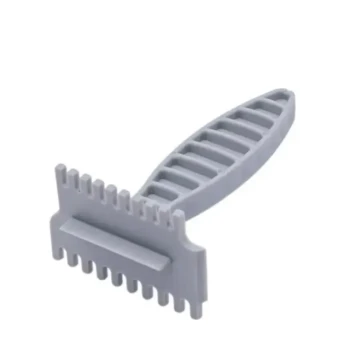
- Lightweight Durable Plastic Queen Excluder Scraper for Beekeeping
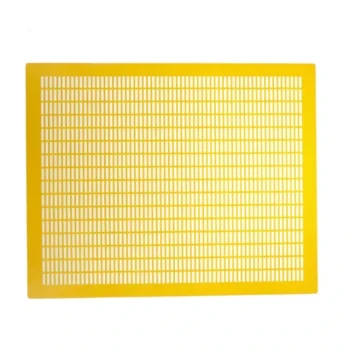
- Professional Plastic Queen Excluder for Modern Beekeeping
- Metal Queen Bee Excluder for Beekeeping
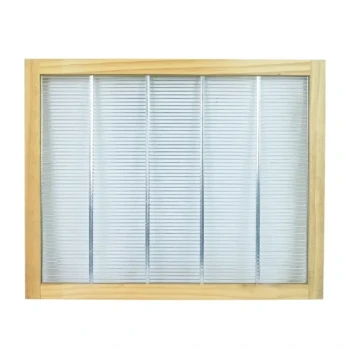
- Premium Wood Framed Metal Wire Queen Bee Excluder
People Also Ask
- What are the characteristics of a plastic queen excluder? Key Benefits for Cost-Effective Beekeeping
- What are the operational and cost advantages of using plastic queen excluders over metal or wire excluders in commercial hive management? Discover how they reduce labor, prevent wing damage, and lower total costs.
- What types of queen excluders are available for beekeepers? Choose the Right Tool for Your Hive
- Why are standardized hive frames and queen excluders essential for maintaining honey purity and quality? Scale Your Purity
- Do plastic queen excluders work? A Cost-Effective Solution for Modern Apiaries