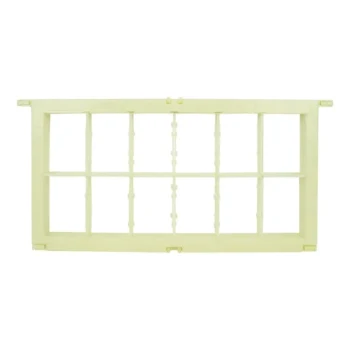
The optimal time to introduce drone comb frames is early in the season. Specifically, you should add these frames when the colony is actively prioritizing the drawing out of new wax comb, rather than later in the season when their focus shifts to filling existing cells with honey. This timing ensures the method acts as a preventative measure to suppress mite populations before they reach dangerous levels.
Effective Varroa management relies on prevention rather than remediation. By introducing drone frames early, you leverage the colony's natural building phase to trap mites before the population spikes, avoiding the struggle of reducing a high infestation later in the year.
The Logic Behind Early Intervention
Capitalizing on Natural Behavior
Honeybees have distinct operational phases throughout the year. To successfully utilize drone comb for mite control, you must align your management with the colony’s wax-building phase.
If you wait until the main honey flow, the bees’ biological imperative shifts. They will stop constructing new comb and begin filling available space with nectar, rendering the drone frame ineffective for its intended purpose.
The Proactive Advantage
Using drone comb is a biological trap, not a chemical treatment. It works by luring mites into drone brood cells, which are then removed by the beekeeper.
This mechanism is most effective when mite levels are relatively low. Attempting to introduce this method late in the season to combat an already high mite load is generally ineffective and can put the colony at risk.
Strategic Placement Options
The Edge of the Brood Nest
One common strategy involves placing the drone comb frame one or two positions inward from the outer edge of the brood nest.
This keeps the frame within the sphere of the colony's warmth and activity without splitting the core brood area.
The Center of the Brood Nest
Alternatively, some beekeepers position the frame directly in the middle of the brood nest.
This ensures immediate attention from nurse bees and the queen. You should select the placement strategy that best aligns with your observations of your specific colony's behavior and management style.
Understanding the Trade-offs
The Risk of Strict Timing
This method is time-sensitive. The effectiveness of drone brood removal relies on the beekeeper removing the frame before the drones emerge.
If you forget the frame or delay removal, you allow the mites trapped inside to hatch. This turns a control method into a breeding ground, drastically increasing the mite population.
Resource Allocation
Building drone comb requires energy and resources from the colony.
By encouraging the production of drones early in the season, you are diverting some energy away from worker brood production or early resource storage. This is an investment in health, but a cost nonetheless.
Making the Right Choice for Your Goal
To effectively integrate drone comb into your Integrated Pest Management (IPM) plan, consider your specific objectives:
- If your primary focus is maximum prevention: Introduce the frames as soon as you observe the colony drawing white wax, ensuring the trap is set before mite reproduction accelerates.
- If your primary focus is workflow integration: select a frame position (edge vs. center) that allows you to check and cycle the frame easily without disrupting the entire hive structure.
Success with drone comb is defined by timing; acting early keeps you in control of the mite population rather than reacting to it.
Summary Table:
| Factor | Ideal Strategy | Why it Matters |
|---|---|---|
| Optimal Timing | Early Spring (Wax-building phase) | Aligns with bees' natural urge to build; suppresses mites before populations peak. |
| Honey Flow Phase | Avoid late introduction | Bees shift from building to storage, making the frame ineffective as a trap. |
| Placement | Edge or Center of brood nest | Ensures queen access and warmth without disrupting the core nest structure. |
| Critical Step | Capped frame removal | Must remove before drones hatch to prevent releasing trapped mites back into the hive. |
Maximize Your Colony Health with HONESTBEE
Are you looking to scale your Varroa management or upgrade your apiary’s efficiency? At HONESTBEE, we specialize in supporting commercial apiaries and distributors with high-quality, professional-grade equipment. From specialized drone frames and hive-making machinery to advanced honey-filling systems, we provide the comprehensive tools you need to succeed.
Our extensive portfolio of beekeeping hardware and essential industry consumables is designed to help you maintain healthy, productive colonies year-round. Let us help you streamline your operations and grow your business.
Contact HONESTBEE today for wholesale solutions and expert equipment advice!
Related Products
- Heart-Shaped Comb Honey Frame and Honeycomb Cassette
- Professional Sectional Comb Honey Frame with 250g Cassette System for Beekeeping
- Plastic Honey Comb Frames Cassette Box for Honey
- Professional Frame Comb Fork and Lifter for Efficient Handling
- Wooden Bee Hive Frames for Beekeeping and Wholesale
People Also Ask
- How are honeybee combs utilized for non-destructive colony monitoring? Master Population Density Tracking
- What is a honeycomb frame? The Key to Modern, Sustainable Beekeeping
- What is the technical purpose of exchanging honeycomb frames? Master Apiary Equalization for Growth
- What frame to use for honeycomb? Choose the Right System for Pure, Edible Comb
- What is the significance of sampling honeycomb frames and hive bottoms? A Guide to Scientific Sanitation Monitoring