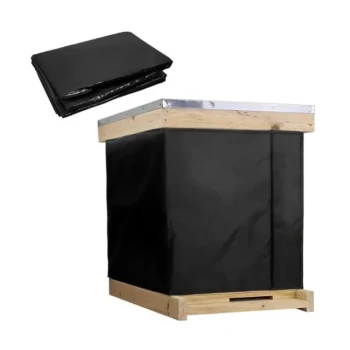
Beehive insulation is a seasonal tool designed strictly for the colder months. To ensure the safety of your colony, insulation should be applied from late October through February to assist with temperature regulation and protect against damp conditions. Applying insulation during the summer poses a severe risk of overheating the hive, which can disrupt the colony’s reproductive cycle and halt food production.
While insulation is essential for protecting bees during freezing temperatures and damp nights, it becomes a liability in the heat. The primary mechanism of hive insulation is heat retention, which can lead to catastrophic overheating if used during the summer.
Optimizing Insulation Timing
The Winter Window
The most effective window for insulating a beehive is during the coldest part of the year. Based on general beekeeping practices, this period typically runs from late October through February.
The Purpose of Winter Insulation
During these months, insulation helps the colony maintain the internal warmth generated by the bee cluster. It is particularly effective at protecting the hive during cold, damp nights, which are often more dangerous to bees than dry cold.
Application Methods
Depending on your hive setup, insulation can be applied internally or externally. If the hive configuration allows for space, insulation materials are placed inside the hive body. Alternatively, many beekeepers wrap the outside of the hives with insulation materials or tar paper to create a wind and thermal barrier.
The Risks of Summer Insulation
The Threat of Overheating
Applying insulation during hot summer days is dangerous because it traps internal heat. Unlike a cooler box that keeps items cold, hive insulation prevents the natural escape of heat generated by the bees and the sun, leading to a rapid internal temperature spike.
Impact on the Queen
The most critical biological risk of summer insulation is the stress it places on the queen. When the hive overheats, the queen may stop laying new eggs. This gap in brood production can weaken the colony's population numbers leading into the autumn.
Suspension of Honey Production
Heat stress forces the colony to divert energy from production to survival. If the hive becomes too hot due to improper insulation, the bees may dramatically reduce or totally suspend honey production. Instead of foraging and storing food, the workforce must focus entirely on fanning and cooling the hive.
Understanding the Trade-offs
Insulation vs. Ventilation
It is a common misconception that insulation will keep a hive cool in the summer. In reality, insulation is primarily effective for guarding against extreme cold. For heat management, insulation acts as a barrier that prevents necessary airflow.
Proper Summer Management
Rather than using insulation to combat summer heat, you should rely on environmental controls. Providing shade during the hottest part of the day, ensuring proper ventilation (such as screened bottom boards), and supplying a reliable water source are the correct methods for keeping a colony cool.
Making the Right Choice for Your Colony
- If your primary focus is Winter Survival: Install insulation or hive wraps starting in late October to retain colony warmth and prevent dampness.
- If your primary focus is Summer Productivity: Remove all insulation and prioritize shade and ventilation to prevent the queen from stopping egg production.
By strictly adhering to a seasonal schedule, you ensure your insulation supports the colony's health rather than threatening its survival.
Summary Table:
| Season | Insulation Status | Primary Goal | Risk Factors |
|---|---|---|---|
| Late Autumn / Winter | Applied | Heat retention & moisture control | Hive dampness and freezing |
| Spring | Removed | Encouraging brood expansion | Over-insulation as temps rise |
| Summer | Never Used | Maximum ventilation & cooling | Overheating, brood loss, no honey |
| Early Autumn | Preparation | Assessing hive strength | Early cold snaps |
Maximize Your Apiary Productivity with HONESTBEE
Protecting your colony requires the right tools at the right time. At HONESTBEE, we specialize in supporting commercial apiaries and distributors with a professional-grade selection of beekeeping equipment. From durable hive-making machinery to essential winterizing consumables, our comprehensive wholesale offering is designed to enhance your operational efficiency and honey yields.
Whether you are scaling your honey-filling production or looking to supply your customers with the highest quality hardware and hive-themed merchandise, we have the expertise to help you grow. Contact us today to explore our full catalog and wholesale pricing—let's build a more resilient beekeeping business together.
Related Products
- Professional Insulated Plastic Bee Hives
- Professional Insulated Winter Hive Wrap for Beekeeping
- Inner Beehive Cover for Beekeeping Bee Hive Inner Cover
- Stainless Steel Round Beehive Air Vents for Ventilation
- Metal Hive Feet Bee Hive Stand for Ant Protection
People Also Ask
- What are the advantages of plastic bee hives? Boost Efficiency & Durability for Your Apiary
- Are plastic bee hives any good? Unlock Durability & Efficiency for Your Apiary
- How do plastic bee hives compare to wooden hives in handling? Reduce Strain & Boost Efficiency
- Are plastic bee hives good? Durable, Low-Maintenance Hives for Modern Apiaries
- What are the disadvantages of plastic beehives? Key Operational and Environmental Risks Exposed