Beekeepers should utilize pollen patties and supplements primarily when natural environmental pollen is scarce or unavailable. These protein sources are vital during early spring to stimulate brood production, during summer forage gaps (dearths) to maintain colony health, and in late autumn if the hive lacks sufficient stored protein for winter survival.
Core Takeaway Pollen supplements act as a critical nutritional bridge, ensuring the colony has the protein required to raise brood even when nature does not provide it. This intervention is most effective when used strategically to stimulate growth in the spring or prevent population collapse during seasonal forage shortages.
The Biological Triggers for Supplementation
The decision to feed pollen is driven by the colony's brood-rearing cycle and the availability of natural forage. You are essentially substituting the protein that bees would naturally gather from flowers.
Stimulating Early Spring Buildup
In the early spring, the colony's goal is rapid expansion. Beekeepers should introduce pollen supplements when natural pollen from flowering plants and trees is not yet abundant.
This is often done after a light stimulatory feeding of syrup. The syrup encourages the queen to lay more eggs, which immediately increases the colony's demand for protein to feed the developing larvae. Without supplemental protein, this brood expansion cannot be sustained.
Surviving the Summer Dearth
A "dearth" is a period, typically in summer, when high temperatures cause nectar and pollen sources to dry up.
During this time, the goal shifts from expansion to maintenance and survival. Providing pollen patties ensures the nutritional health of the colony remains stable, preventing a population crash before the autumn flows begin.
Securing Winter Viability
As brood rearing slows in the fall, the colony focuses on producing "winter bees" that must survive until the following spring.
You must inspect the hive's resources carefully. If a colony does not have at least two full frames of natural pollen stored, you must intervene with supplements. Adequate protein stores are non-negotiable for the long-term health of these winter bees.
Selecting the Right Supplement Form
Beekeepers generally choose between natural pollen and pollen substitutes based on cost, safety, and convenience.
Natural Pollen vs. Soy Substitutes
While bees collect natural pollen, feeding it back to them carries risks. Beekeepers must be certain they are procuring high-quality pollen from reputable sources to avoid introducing harmful pathogens or substances into the hive.
Because natural pollen pellets are expensive and carry biosecurity risks, most beekeepers opt for a pollen substitute. These are typically made from soy protein, brewer's yeast, and sugar, offering a safer and more cost-effective alternative.
Patties vs. Dry Powder
Pollen substitute comes in two main forms: premade patties and dry powder.
For hobbyists or those with only a few hives, premade patties are the superior choice. They are convenient, mess-free, and ready to place directly on the top bars of the frames. Powder requires mixing with sugar syrup and water to create a dough, which adds labor and complexity.
Understanding the Trade-offs
While supplementation is a powerful tool, it requires careful management to avoid negative outcomes.
The Risk of Disease Transmission
The most significant risk involves feeding natural bee pollen. If you source pollen from an infected hive, you can introduce devastating diseases to your own apiary. Always prioritize biosecurity over the perceived benefits of "natural" feed; if the source is unsure, use a sterile substitute.
Cost vs. Necessity
Natural bee pollen is a high-value commodity, often sold for human consumption due to perceived health benefits. Using it as bee feed is economically inefficient for many beekeepers.
Soy-based substitutes provide the necessary protein profile for brood rearing at a fraction of the cost. You must weigh the economic efficiency of the supplement against the specific nutritional needs of the hive.
Making the Right Choice for Your Goal
The timing of your feeding depends entirely on what you need the colony to achieve in the immediate future.
- If your primary focus is Colony Expansion (Spring): Feed supplements after providing syrup to support the increased protein demand from the queen's accelerated egg-laying.
- If your primary focus is Colony Survival (Winter): Feed supplements in the fall only if your inspection reveals fewer than two frames of stored natural pollen.
Success lies in constant monitoring; provide protein not by the calendar, but by the visible needs of the hive and the state of local forage.
Summary Table:
| Supplementation Timing | Primary Objective | Biological Goal |
|---|---|---|
| Early Spring | Colony Expansion | Stimulate brood rearing before natural pollen blooms. |
| Summer Dearth | Maintenance & Survival | Prevent population crashes when forage dries up. |
| Late Autumn | Winter Viability | Ensure "winter bees" have sufficient protein for longevity. |
| Resource Scarcity | Emergency Intervention | Fill nutritional gaps when stored pollen frames are low (<2). |
Maximize Your Apiary's Productivity with HONESTBEE
At HONESTBEE, we understand that professional beekeeping requires precision and reliability. Whether you are managing a large-scale commercial apiary or operating as a regional distributor, we provide the high-quality infrastructure needed to sustain healthy colonies. Our comprehensive wholesale catalog includes:
- Advanced Machinery: Hive-making and honey-filling machines to scale your operations.
- Professional Tools: Durable beekeeping equipment and essential industry consumables.
- Bespoke Merchandise: Honey-themed cultural products to diversify your retail offerings.
Partner with a supplier that values your growth as much as your bees' health. Contact HONESTBEE today to discuss our wholesale solutions and bulk equipment pricing.
Related Products
- Plastic Bee Pollen Trap Strips Comb Catcher Collector
- Removable Plastic Pollen Trap With Ventilated Tray for Bees Pollen Collector
- 30 cm Plastic Entrance Hole Bee Pollen Trap and Collector
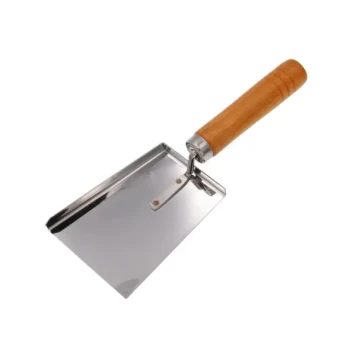
- Stainless Steel Pollen Shovel with Wooden Handle
- Heavy-Duty Ergonomic Grip Galvanized Pollen Shovel
People Also Ask
- For what reasons do beekeepers collect bee pollen? Boost Hive Health and Unlock New Revenue Streams
- What are the design principles and advantages of pollen traps in the collection of bee pollen? Boost Your Apiary Yield
- What are the ideal weather conditions for installing a bee pollen trap? Ensure Colony Safety with Expert Timing
- Why is frequent harvesting of bee pollen from traps necessary for quality control? Ensure Freshness and Prevent Mold.
- What are the primary functions of a standard pollen trap in research? Maximize Data Accuracy in Bee Nutrition Studies