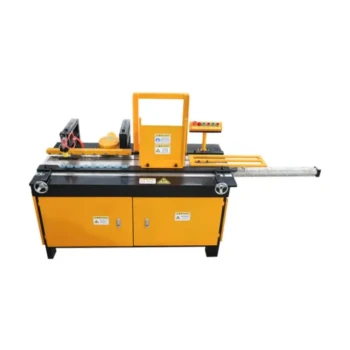
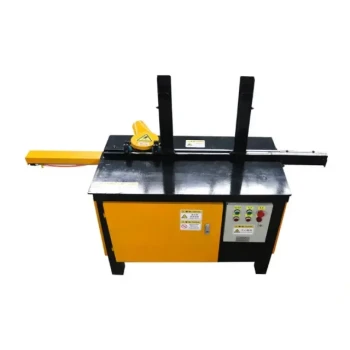
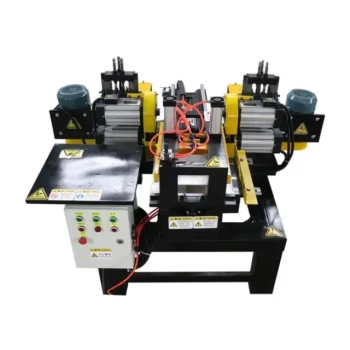
The highest labor demand occurs in periodic, labor-intensive workflows—not routine daily hive care. Beehive construction, colony installation, swarm management, hive inspections, relocation, honey extraction, filtering, and filling can create major bottlenecks as an apiary expands. Specialized machinery—such as motorized extractors, filling systems, hive-making equipment, and mechanical hive loaders—raises output per worker and helps commercial operators scale without immediately adding a large labor force.
The central opportunity is to mechanize concentrated workload peaks. Standardized hive production simplifies expansion, mechanical handling accelerates apiary movement, and automated honey processing reduces the time and labor required after harvest.
Where Beekeeping Labor Requirements Peak
Beehive construction and apiary expansion
Building, painting, assembling, and preparing large numbers of hives requires repetitive labor and consistent quality control. These demands increase sharply when operators add colonies or prepare equipment for a new production season.
Standardized prefabricated hives reduce assembly work and provide consistent dimensions. Where production volume justifies it, specialized hive-making machinery can produce components or complete hive structures with greater speed and uniformity.
Colony installation and hive preparation
Colonization involves preparing equipment, positioning colonies, installing frames, and ensuring that each hive is suitable for productive development. Errors or inconsistencies during this stage can create additional inspection and maintenance work later.
Uniform hives simplify colony management and support compatibility with palletized transport, warehouse systems, and mechanized harvesting equipment. This is especially valuable for distributors and commercial operators managing standardized product fleets.
Swarm management and hive inspections
Swarm control and inspection work require skilled personnel, careful timing, and physical access to the hive. Although specialized equipment cannot replace experienced beekeepers, ergonomic hive tools and precision honey knives can shorten handling time and reduce unnecessary disturbance to the colony.
For larger apiaries, the operational benefit comes from improving each worker’s throughput across many inspections. Small time savings per hive can become significant when multiplied across hundreds or thousands of colonies.
Hive relocation and seasonal movement
Moving hives is one of the most physically demanding activities in commercial beekeeping. Manual loading and unloading can consume substantial labor while increasing the risk of equipment damage, worker injury, and excessive disturbance to colonies.
Small hydraulic loaders, dedicated forklifts, and other hive-handling systems allow operators to move larger quantities of hives more quickly. Faster deployment also helps colonies reach target locations during narrow nectar-flow or pollination windows.
Honey extraction and processing
Harvesting is a major labor peak because frames must be removed, uncapped, extracted, filtered, transferred, and prepared for packaging. Hand-operated processing becomes increasingly restrictive as honey volume rises.
Motorized honey extractors reduce the manual effort required to remove honey from combs. Filtration and temperature-control systems can further improve process consistency when operators are handling commercial-scale yields.
Honey filling and order preparation
Filling containers manually creates a second bottleneck after extraction. It limits packaging speed, increases repetitive labor, and can make fill levels less consistent across customer orders.
Automated or semi-automated honey-filling equipment improves throughput and repeatability. This is particularly relevant for wholesalers, private-label suppliers, and resellers that require consistent packaging across multiple product formats.
How Machinery Removes Operational Bottlenecks
Replace repetitive labor with higher-throughput processes
The strongest use case for machinery is repetitive work with predictable steps. Extraction, filling, hive assembly, and hive movement can often be organized into standardized workflows that equipment performs faster and more consistently than manual labor.
This does not eliminate the need for skilled beekeepers. It reallocates their time toward colony health, production decisions, quality control, and exception handling.
Increase output per worker during expansion
Growing apiaries can reach a point where manual labor exceeds what one person can reasonably manage, while the operation may not yet support a large full-time workforce. The reference material identifies this challenge around 400–500 hives, with more substantial hired-labor economics often emerging at approximately 800–1,000 hives.
These figures should be treated as planning benchmarks rather than universal rules. Region, hive type, migration schedule, mechanization level, product mix, and management practices all affect the actual threshold.
Standardize equipment across the operation
A standardized hive fleet makes handling, storage, inspection, transport, and harvesting more predictable. It also reduces the number of tools, spare parts, and operating procedures that workers must manage.
For suppliers and distributors, a full-spectrum portfolio is valuable because customers may need compatible hives, frames, loaders, extractors, filling systems, and professional hand tools rather than isolated products.
Support high-volume commercial production
Operations with very large colony counts require industrialized equipment and repeatable processes. Mechanized hive production supports structural precision, while commercial honey-processing systems help manage large yields with controlled filtration and temperature handling.
At this scale, equipment compatibility and serviceability become as important as individual machine capacity. A machine that cannot integrate with the customer’s existing workflow may simply move the bottleneck to another stage.
Matching Machinery to the Bottleneck
For hive manufacturing and expansion
Use prefabricated standardized hives when speed, consistency, and immediate expansion are more important than in-house production flexibility. Consider hive-making machinery when the operation has sufficient volume to justify manufacturing capacity and wants greater control over specifications or supply availability.
Standardized construction also supports mechanized transport and warehousing, improving the value of later investments in loaders and extraction equipment.
For apiary movement
Hydraulic loaders and dedicated forklifts are appropriate where colonies are frequently moved, palletized, or deployed across multiple locations. Their main benefits are faster loading, reduced physical strain, and less disturbance during transport.
Equipment selection should account for hive configuration, terrain, vehicle compatibility, lifting capacity, and service access. A compact machine may be more useful than a larger unit if apiaries have restricted access routes.
For honey extraction
Motorized extractors are the direct upgrade from labor-intensive hand extraction. Capacity should be matched to the number of frames processed during the harvest window, not simply to the total annual honey volume.
A properly sized system prevents the extractor from becoming a downstream constraint after the apiary has already invested in faster harvesting or larger colonies.
For filling and packaging
Automated filling machines are most valuable when packaging volume, container consistency, and order frequency create repetitive manual work. They are especially relevant to commercial brands, contract packers, wholesalers, and resellers managing multiple customer orders.
The system should be evaluated alongside filtration, storage tanks, labeling, container handling, and cleaning procedures. Filling automation alone cannot resolve a bottleneck caused by insufficient upstream processing capacity.
Understanding the Trade-offs
Automation requires investment and integration
Specialized machinery reduces labor requirements, but it introduces capital costs, maintenance obligations, training needs, and equipment downtime risks. The business case is strongest when the machine addresses a recurring bottleneck rather than an occasional workload peak.
Before purchasing, operators should map the complete process from hive preparation through packaging. This prevents overinvesting in one stage while leaving another stage dependent on manual labor.
More capacity is not always better
A high-capacity machine may be inefficient for a smaller operation if utilization remains low. Excess capacity can increase financing costs, maintenance complexity, and the amount of working space required.
A scalable or modular system may provide better value during the transition from a small apiary to a commercial operation.
Mechanization does not replace expertise
Machines can improve speed and consistency, but they cannot independently make decisions about colony health, swarm risk, weather, nectar flow, or suitable relocation timing. Skilled personnel remain essential for biological management and quality control.
The practical objective is labor leverage, not the complete removal of human involvement.
Standardization can limit flexibility
Uniform hive specifications improve handling and compatibility, but they may reduce flexibility where customers use different hive formats or regional practices. Distributors and resellers should therefore offer clearly specified product lines and verify compatibility before recommending integrated equipment packages.
Service and delivery affect the real return
A machine that is unavailable during harvest can create more disruption than the manual process it replaced. Reliable spare parts, technical support, rapid response, and efficient order fulfillment are therefore operational requirements—not merely purchasing conveniences.
For B2B buyers, supplier capability should be assessed alongside machine specifications. Delivery speed, installation support, replacement components, and after-sales service can materially affect total operating performance.
Making the Right Choice for Your Goal
The right investment depends on where labor hours accumulate and how quickly the operation is scaling.
- If your primary focus is reducing harvest labor: Prioritize a motorized extractor, suitable filtration and temperature-control equipment, and automated or semi-automated filling capacity.
- If your primary focus is expanding hive numbers: Use standardized prefabricated hives or evaluate hive-making machinery that can provide consistent structures at the required volume.
- If your primary focus is migratory beekeeping or pollination services: Consider hydraulic loaders, dedicated forklifts, and transport-compatible hive systems to accelerate seasonal movement.
- If your primary focus is serving wholesale and private-label customers: Build an integrated processing and filling workflow that supports consistent quality, packaging, and order fulfillment.
- If your primary focus is controlling investment risk: Identify the single most expensive bottleneck first and select modular equipment with dependable service and replacement-part support.
The most effective beekeeping machinery strategy turns labor-intensive peaks into standardized, measurable workflows while preserving skilled human oversight where it matters most.
Summary Table:
| Operation | Labor Intensity | Machinery Solution |\n|---|---|---|\n| Beehive construction | High (repetitive assembly) | Hive-making machinery, standardized hives |\n| Colony installation | Medium-high (manual positioning) | Standardized equipment, palletized systems |\n| Swarm management & inspections | Medium (skilled labor) | Ergonomic tools, precision knives |\n| Hive relocation | High (physical handling) | Hydraulic loaders, forklifts |\n| Honey extraction | High (manual uncapping & spinning) | Motorized extractors |\n| Honey filling & packaging | Medium-high (repetitive filling) | Automated filling systems |
Maximize your apiary's efficiency with HONESTBEE's comprehensive range of beekeeping machinery. From motorized extractors to hydraulic loaders, our equipment is designed to reduce labor peaks and boost productivity. As a leading wholesale supplier for commercial apiaries and distributors, we offer a full spectrum of tools, machinery, and consumables. Partner with us for rapid response, dedicated service, and ultra-fast delivery. Contact us today to discuss your needs and enhance your operations! Get in touch.
Related Products
- Automatic Honey Filling and Filtering Machine for Beekeeping Bottle Filling
- Beehive Handle and Frame Rest Cutting Machine: Your Specialized Hive Machine
- Professional Bee Smoker with Elongated Spout and Durable Bellows for Beekeeping
- Professional Bee Frame Machine for Side Bar Shaping
- Heavy Duty Manual Bee Smoker Blower for Beekeeping
People Also Ask
- What process advantages do professional honey filtering and filling machines provide? Optimize Your Organic Honey Output
- How do honey filling and filtering machines increase product value? Turn Raw Honey into Premium Export-Grade Goods
- How do honey filtration and filling machinery contribute to industrialization? Scale Your Commercial Honey Production
- What specific issues do industrial filtration and automated filling machinery address? Ensure Honey Quality & Compliance
- How does the use of professional honey filtration and filling machinery facilitate international honey exports?