Thick leather gloves provide the absolute highest level of sting resistance. Specifically, gloves made from dense animal hides, such as cowhide or goatskin, create the most formidable physical barrier against bee stingers. While modern synthetic options like nitrile offer high puncture resistance, traditional heavy-duty leather remains the definitive choice for preventing stinger penetration.
While thick leather offers the most reliable immunity to stings, it creates a significant trade-off in dexterity. The ultimate goal is to balance physical protection with the tactile sensitivity required to handle the hive gently.
Evaluating Material Performance
The Leather Standard
For sheer stopping power, thick leather is the superior material. It is physically too dense for a bee's stinger to penetrate effectively.
Within this category, goatskin is a reliable option for maximum resistance. While slightly less rigid than cowhide, it provides a strong shield while attempting to retain some degree of movement.
The Synthetic Alternative: Nitrile
Nitrile gloves are gaining popularity because they offer a different type of protection: puncture resistance combined with a snug fit.
Unlike loose leather, nitrile fits like a second skin. This prevents bees from crawling inside the glove and eliminates the gaps where bees often get trapped and sting in panic.
Materials to Avoid
Do not rely on latex gloves for beekeeping. While they offer excellent flexibility, they are highly susceptible to stinger penetration and do not provide an adequate safety barrier.
Critical Design Features for Safety
Gauntlets and Cuffs
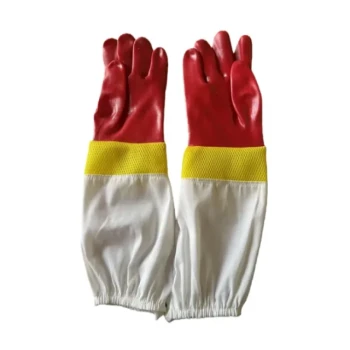
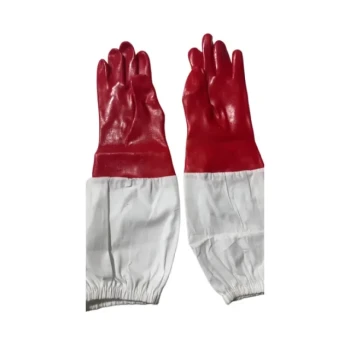
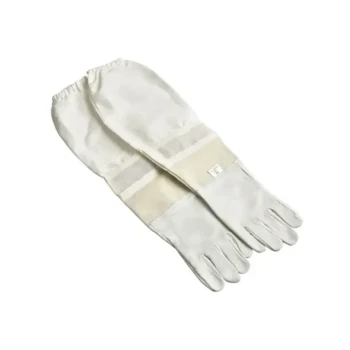
Sting resistance refers to more than just the material on your fingers; it includes sealing the suit. Effective gloves feature a gauntlet base that extends to the elbows.
These must have sturdy elastic bands to hold them in place. This design allows you to pull the glove over your long sleeves, preventing bees from crawling up your arm inside your clothing.
Ventilation vs. Vulnerability
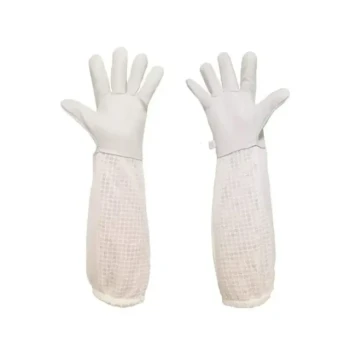
Ventilated gloves utilize a mesh panel near the wrist to increase airflow, which is beneficial in hot climates.
However, this introduces a weak point. While the leather fingers protect your hands, stings are possible through the mesh area, making them less secure than solid leather or full nitrile options.
Understanding the Trade-offs
The Dexterity Problem
The primary reference notes a critical downside to thick leather: stiffness. The thicker the material, the harder it is to feel what you are holding.
The Risk of Clumsiness
Reduced dexterity can actually increase the danger of a hive inspection. If you cannot feel the frames, you are more likely to accidentally crush bees.
Crushed bees release alarm pheromones, which alert the rest of the colony to attack. Therefore, the "most resistant" glove can sometimes trigger a more aggressive reaction from the hive than a thinner, more tactile glove would.
Making the Right Choice for Your Goal
Select your gear based on your experience level and the specific task at hand.
- If your primary focus is maximum protection: Choose thick leather or goatskin gloves with long gauntlets to ensure no stinger can physically reach your skin.
- If your primary focus is precision and dexterity: Choose heavy-duty nitrile gloves, which offer high puncture resistance and allow you to handle frames without crushing bees.
- If your primary focus is comfort in heat: Choose ventilated leather gloves, accepting that the mesh wrist area offers significantly less protection than the leather fingers.
The best protective gear is the set that gives you the confidence to work calmly without inciting the hive.
Summary Table:
| Glove Material | Sting Resistance | Dexterity | Best For... |
|---|---|---|---|
| Cowhide/Goatskin | Maximum | Low | Aggressive hives & beginners needing high protection |
| Nitrile (Heavy Duty) | Moderate | High | Precision handling & preventing bee crushing |
| Ventilated Leather | High (Fingers) | Medium | Working in hot climates with some trade-off in safety |
| Latex | Low | Very High | Not recommended; easy stinger penetration |
Upgrade Your Apiary with HONESTBEE Protective Gear
At HONESTBEE, we understand that commercial apiaries and distributors require a balance between operator safety and operational efficiency. Whether you need the heavy-duty protection of premium goatskin leather gloves or the precision of industrial-grade beekeeping tools, our comprehensive wholesale portfolio has you covered.
From advanced hive-making machinery to essential consumables and honey-themed merchandise, we provide the full spectrum of equipment to help your business thrive. Ensure your team is protected by the best materials in the industry.
Contact us today to explore our wholesale offerings!
Related Products
- Beekeeping Gloves Goatskin Leather with Long Cotton Sleeve for Beekeepers
- Heavy Duty Red Rubber Beekeeping Gloves with Vented Mesh Cotton Sleeves
- Heavy Duty Red Rubber Beekeeping Gloves with Extended Pure Cotton Sleeves for Beekeepers
- Goatskin Leather Beekeeper Gloves with Vent Long Sleeve for Beekeeping Honey Bee Sting Proof Protection
- Premium Ventilated Goatskin Beekeeping Gloves with Full 3-Layer Mesh Sleeve
People Also Ask
- What are the characteristics of the best gloves for beekeeping? Choose Protection & Dexterity
- What are the primary purposes of using beekeeping gloves? Protect Your Hands and Ensure Apiary Hygiene
- What types of gloves are available for beekeeping? Choose the Right Protection for Your Hive
- Why is it important for beekeepers to wear gloves? Essential Safety and Confidence for Hive Management
- Why do some experienced beekeepers opt not to wear gloves? Discover the Benefits of Tactile Precision