Airtight sterile glass jars are the industry standard for honey storage because they address the two primary threats to honey quality: moisture absorption and chemical contamination. By creating a hermetic seal, these containers prevent the honey from pulling water vapor out of the air, which causes fermentation, while the non-reactive nature of glass ensures the chemical structure of the honey remains completely unaltered.
Honey is a highly "hygroscopic" substance, meaning it acts like a sponge for atmospheric moisture. The ideal storage container must provide an absolute barrier against humidity while remaining chemically neutral to protect the honey's delicate sugar and nutrient profiles.
Controlling Moisture Content
Understanding Hygroscopicity
Honey is highly hygroscopic. This means it has a strong natural tendency to absorb moisture directly from the surrounding atmosphere.
The Risk of Fermentation
If honey is exposed to air, the moisture content will rise. Once water levels exceed a certain threshold, the natural yeasts in honey become active, leading to fermentation and spoilage.
The Necessity of an Airtight Seal
An airtight seal effectively isolates the honey from external humidity. This physical barrier is the most critical factor in preventing an increase in moisture content and ensuring the honey does not spoil.
Preserving Chemical Integrity
The Inertness of Glass
Glass is chemically inert. Unlike certain plastics or metals, it will not leech chemicals into the honey or react with the honey's natural acidity.
Protecting Nutrient Profiles
Scientific analysis confirms that when stored in sterile glass, the proportions of sugars remain stable. There is no interaction between the container and the contents to alter the chemical balance.
Maintaining Bioactive Compounds
Honey contains valuable phenolic substances and flavonoids. The inert environment of a glass jar ensures these compounds are not degraded by container contamination, preserving the honey's physicochemical characteristics.
Optimizing Storage Conditions
The Role of Temperature
To maximize the benefits of glass storage, honey should ideally be kept at 4°C. Low temperatures slow down chemical reactions that might otherwise degrade quality over time.
The Importance of Darkness
While glass protects against air and chemicals, it often allows light to pass through. The reference standard requires storage in dark conditions to ensure the integrity of light-sensitive compounds.
Understanding the Trade-offs
Fragility vs. Purity
While glass provides the ultimate chemical protection, it is fragile and heavy. It requires more careful handling and logistics compared to food-grade plastics.
Light Management
Glass is typically transparent. Because light can degrade honey, using clear glass jars requires you to actively manage the storage environment (keeping it dark) to match the performance of opaque containers.
Making the Right Choice for Your Goal
To ensure the highest quality control for your honey, align your storage method with your specific preservation goals:
- If your primary focus is preventing spoilage: Ensure the jar's seal is completely airtight to stop the hygroscopic absorption of environmental moisture.
- If your primary focus is chemical purity: Utilize sterile glass to prevent container contamination and maintain the original levels of flavonoids and phenolics.
- If your primary focus is long-term stability: Combine glass packaging with a storage environment that is both dark and maintained at approximately 4°C.
By sealing honey in sterile glass and controlling the environment, you effectively freeze its quality in time.
Summary Table:
| Feature | Benefit for Honey Storage | Impact on Quality |
|---|---|---|
| Airtight Seal | Prevents hygroscopic moisture absorption | Stops fermentation and spoilage |
| Inert Glass | No chemical leaching or reaction with acidity | Maintains pure nutrient and sugar profiles |
| Sterility | Eliminates microbial contamination | Ensures long-term product safety |
| Thermal Stability | Best when paired with 4°C storage | Slows down natural degradation processes |
| Transparency | Allows for visual quality inspection | Requires dark storage to protect flavonoids |
Elevate Your Honey Quality with HONESTBEE
At HONESTBEE, we understand that superior honey requires superior protection. As a leading provider for commercial apiaries and distributors, we offer a comprehensive wholesale range of professional-grade beekeeping tools and premium storage solutions.
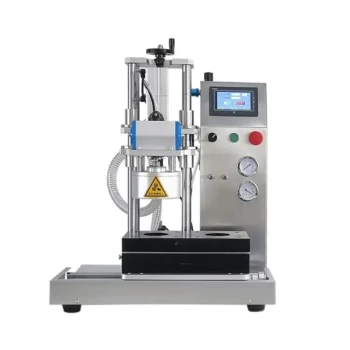
Whether you are looking for advanced honey-filling machines to ensure a perfect airtight seal or high-quality hardware to maintain your apiary's efficiency, our portfolio is designed to preserve the delicate bioactive compounds of your harvest. From specialized machinery to essential industry consumables, we help you deliver excellence to your customers.
Ready to scale your production? Contact us today to explore our wholesale equipment and learn how HONESTBEE can optimize your honey processing and storage workflow!
References
- Bienvenu CITO MULEMANGABO, JOSEPH SAILE JOSEPH SAILE. Physicochemical characterization of honeys sold in the city of Bukavu and the those obtained from production sites in the province of south Kivu in the Democratic Republic of Congo.. DOI: 10.35629/2532-11073945
This article is also based on technical information from HonestBee Knowledge Base .
Related Products
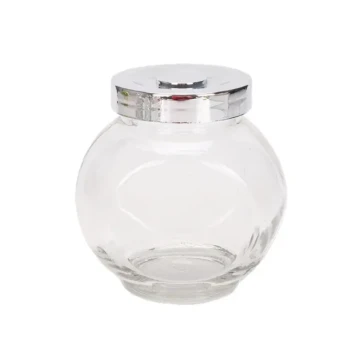
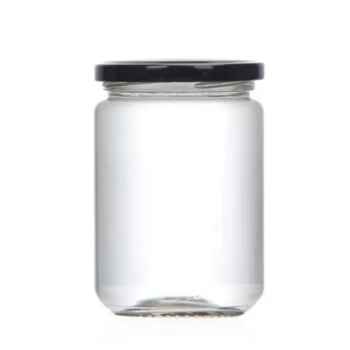
- Classic Drum Shaped Glass Honey Jar with Airtight Lid
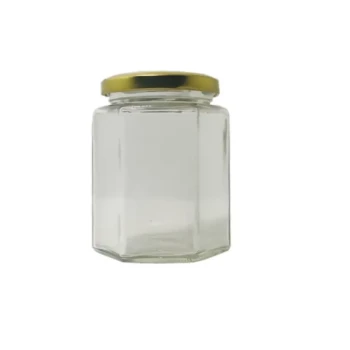
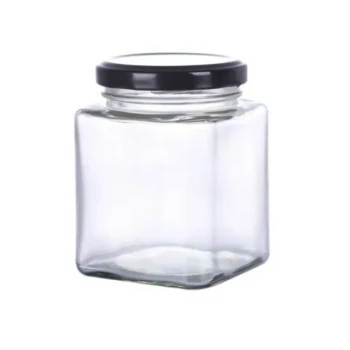
- Hexagonal Glass Honey Jars with Metal Lug Caps Elegant Versatile Packaging
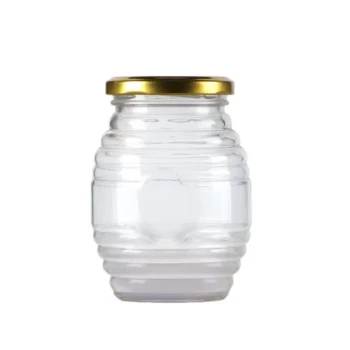
- Classic Glass Honey Jar with Metal Lug Cap for Beehive Storage
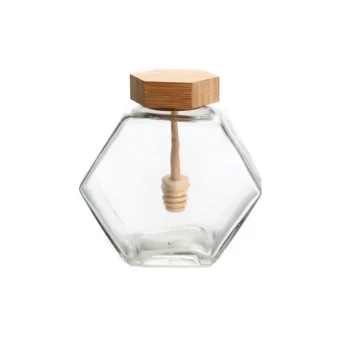
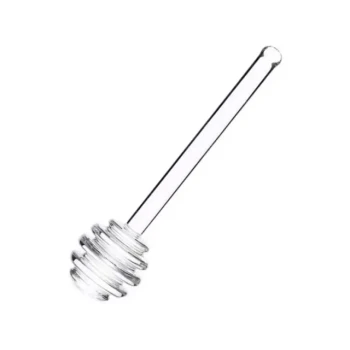
- Hexagonal Glass Honey Jar with Wooden Lid Integrated Dipper Elegant Functional Storage
- Semi-Automatic Vacuum Capping Machine with Pneumatic Control for Glass Jars
People Also Ask
- What is the best utensil to store honey? Preserve Purity with the Right Container
- How does the appearance of glass jar packaging affect the sales and perception of honey? Boost Your Premium Brand Value
- Why is a glass jar preferred for packaging honey? Ultimate Protection for Purity & Flavor
- What is the aesthetic appeal of using glass jars for honey? Elevate Your Brand with Premium Packaging
- What are the advantages of glass containers for honey? Elevate Quality and Market Value with Premium Packaging