Beehive disinfection and honeycomb replacement are non-negotiable because pathogens, specifically the Sacbrood Virus (SBV), can survive in the physical structure of the hive even after the biological host is removed. While a broodless period stops the virus from replicating in living larvae, it does not eliminate the virus lingering on hive walls or within the wax of old honeycombs. Without these physical sanitation steps, the new generation of larvae is immediately exposed to external sources of infection, rendering the broodless period ineffective.
Core Takeaway A broodless period only breaks the biological cycle of disease; it does not clean the environment. Disinfecting the hive and replacing consumables are the only ways to remove dormant viral reservoirs, ensuring a pollution-free start for the next generation.
The Limits of Biological Control
Addressing the Persistence of SBV
The broodless period is a powerful technique to halt viral replication, but it is not a cure-all.
Sacbrood Virus (SBV) has the capability to persist in the environment outside of a living host. If you only implement a broodless period, you leave the "furniture" of the hive contaminated, ready to reinfect the colony as soon as egg-laying resumes.
The Necessity of a Two-Pronged Approach
Disease management requires addressing both the host (the larvae) and the vector (the hive components).
The broodless period protects the host by temporarily removing it. Disinfection and replacement remove the vector. Combining these techniques significantly reduces the recurrence rate of the disease.
Why Honeycomb Replacement is Critical
Wax as a Viral Reservoir
Old honeycombs are the primary vector for lingering infections.
The complex structure of wax makes it an ideal place for pathogens to hide and survive. SBV can persist deep within the wax of old combs, making surface cleaning ineffective for these consumables.
Creating a Pollution-Free Environment
The goal is to provide a sterile environment for the new larvae.
By physically removing old combs and replacing them with clean ones, you eliminate the highest concentration of viral contaminants. This ensures that when the queen begins laying again, the vulnerable larvae develop in a pollution-free environment.
Disinfecting the Hive Structure
Sterilizing Internal Surfaces
The wooden or plastic walls of the beehive also harbor pathogens.
Viruses can adhere to the internal walls of the beehive box. Using specialized disinfectants on these surfaces ensures the complete removal of external sources of infection that could not be removed via comb replacement.
Ensuring Long-Term Stability
Disinfection is an investment in the colony's future.
Thoroughly cleaning the hive structure complements the comb replacement, creating a holistic barrier against reinfection. This leads to the long-term stability and health of the bee colony.
Understanding the Trade-offs
Resource Cost vs. Health Security
Replacing honeycomb is a destructive process that carries a cost.
You are removing built infrastructure and potentially food stores (honey and pollen) contained in the old wax. This forces the bees to expend energy and resources to draw new comb.
The Risk of Inaction
However, the cost of keeping old comb is often colony collapse.
While retaining old comb saves the bees energy in the short term, the recurrence of disease is a far greater threat. The energy cost of rebuilding is a necessary trade-off to ensure the colony survives the viral threat.
Making the Right Choice for Your Goal
To maximize the success of your disease management strategy, consider the following:
- If your primary focus is Disease Eradication: Prioritize the complete disposal of all brood combs and rigorous chemical disinfection of the hive bodies, accepting the temporary setback in colony growth.
- If your primary focus is Colony Recovery: Ensure you time the comb replacement with a strong nectar flow or heavy feeding, allowing the bees to rebuild their "pollution-free" infrastructure quickly.
Ultimately, the broodless period buys you time, but disinfection and replacement buy you a clean slate.
Summary Table:
| Step | Purpose | Benefit |
|---|---|---|
| Broodless Period | Breaks the biological replication cycle | Stops active viral growth in larvae |
| Comb Replacement | Removes physical viral reservoirs | Eliminates SBV lingering in old wax |
| Hive Disinfection | Sterilizes internal hive surfaces | Removes pathogens from walls and hardware |
| Clean Foundation | Provides a pollution-free environment | Encourages healthy development of new larvae |
Maximize Your Apiary Productivity with HONESTBEE
A broodless period is just the beginning—protect your investment with the right tools. At HONESTBEE, we specialize in supporting commercial apiaries and distributors with high-quality, wholesale beekeeping solutions. From honeycomb foundations and specialized hive-making machinery to professional-grade honey-filling equipment and essential consumables, we provide everything you need to maintain a disease-free environment.
Don't let lingering pathogens compromise your colony's recovery. Contact HONESTBEE today to discover how our comprehensive equipment portfolio can enhance your operational efficiency and ensure long-term stability for your bees.
References
- Tetiana Yefimenko, O. A. Vorobiy. FLOW OF SACBROOD DISEASE IN CREATION OF INFERTILE PERIOD AT BEE COLONIES IN COMPARISON WITH THE USE OF PROBIOTIC «APINORMIN», NANOSIZED CERIUM DIOXIDE, PLANT ORIGIN PREPARATION «NI NU NA». DOI: 10.46913/beekeepingjournal.2021.7.02
This article is also based on technical information from HonestBee Knowledge Base .
Related Products
- Stainless Steel Honey Bee Smoker Hive and Honeycomb Smoker for Beekeeping
- Professional Long-Handled Silicone Honey Scraper for Beekeeping
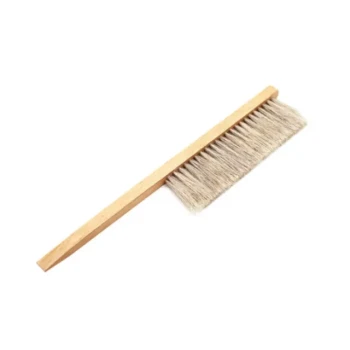
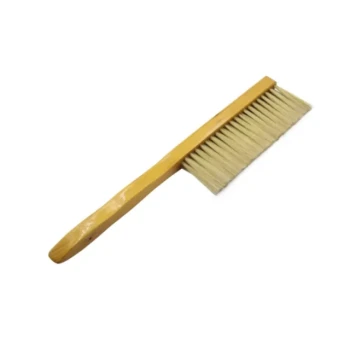
- Wooden Bee Brush with Double-Row Horsehair Bristles
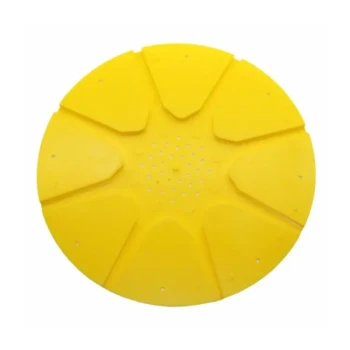
- Efficient Hive Clearing: HONESTBEE 8-Way Plastic Bee Escape
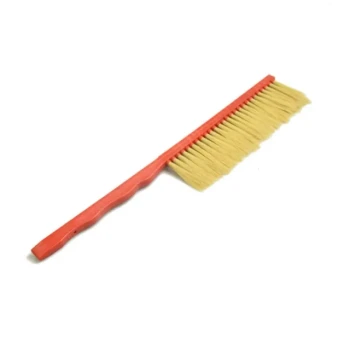
- Plastic Handle Single Row Artificial Fiber Bee Brush
People Also Ask
- What are bee smokers made out of? Choose the Right Material for Your Apiary
- Why is a stainless steel bee smoker considered indispensable? Master Hive Management with Cool Smoke Technology
- What type of bee smoker is recommended for a beginner? Top Picks for Easy Hive Management
- When should you add more fuel to the bee smoker? Watch for This Critical Smoke Signal
- How should a beekeeper use a smoker when approaching a hive? A Guide to Calm, Safe Inspections