Dark glass bottles with sealed caps are utilized to create a chemically inert, stable environment that protects honey from photodegradation and atmospheric contamination. This specific configuration preserves critical physicochemical indicators by blocking ultraviolet light and preventing moisture exchange, ensuring the sample remains identical to its harvest state for future analysis.
Core Takeaway The integrity of honey samples relies on a dual-defense strategy: dark glass screens out UV radiation to protect light-sensitive enzymes and antioxidants, while sealed caps maintain a specific moisture balance to prevent fermentation and oxidation.
Mechanisms of Photoprotection
Blocking Ultraviolet Radiation
Honey contains various photosensitive compounds that degrade when exposed to strong light sources. Dark glass effectively filters out harmful ultraviolet (UV) rays and high-intensity visible light. By acting as a physical barrier, the glass prevents energy transfer that triggers chemical breakdown within the sample.
Preserving Bioactive Compounds
The primary targets of light degradation in honey are its bioactive substances, specifically antioxidant phenolic compounds. When these compounds degrade, the honey loses its biological activity. Dark glass ensures that these health-promoting properties remain stable prior to laboratory testing.
Stabilizing Enzymatic Activity
Light exposure can alter the activity levels of natural enzymes found in honey. To ensure accurate measurement of enzyme activity—a key indicator of honey freshness and heat treatment—samples must be shielded from light. This stabilization is critical for consistent longitudinal studies.
Moisture and Atmosphere Control
Combatting Hygroscopy
Honey is a highly hygroscopic substance, meaning it naturally attracts and absorbs moisture from the surrounding atmosphere. If a container is not hermetically sealed, the honey will pull water from the air. Sealed caps are required to isolate the sample and maintain the original moisture content.
Preventing Fermentation
When honey absorbs enough atmospheric moisture to exceed a 20% water content threshold, it becomes susceptible to spoilage. This environment allows osmophilic yeasts to proliferate, leading to rapid fermentation. A tight seal is the only effective method to prevent this biological instability.
Minimizing Oxidation
Exposure to oxygen leads to the oxidation of various chemical components within the honey. This process can degrade volatile flavor compounds and alter the honey's sensory profile. A sealed environment preserves the "chemical fingerprint" of the honey for accurate physicochemical characterization.
The Importance of Chemical Inertness
Resisting Acidic Reactions
Honey is naturally weakly acidic. Many storage materials, such as certain metals or low-grade plastics, can react with these acids over time. High-quality glass is chemically inert, meaning it will not corrode or leach substances into the honey, regardless of storage duration.
Preventing Contamination
Using glass ensures that no foreign impurities migrate from the container wall into the sample. This is vital for trace analysis, such as pollen identification or detecting minute chemical residues. The inert nature of glass guarantees that the data collected reflects the honey, not the container.
Understanding the Trade-offs
Glass vs. Plastic Permeability
While plastic containers are durable and suitable for short-term transport, they are often slightly permeable to gases over long periods. Glass provides a superior gas barrier, ensuring that no oxygen enters and no moisture evaporates. This makes glass the definitive choice for long-term archiving, despite its fragility.
Impact on HMF Levels
Hydroxymethylfurfural (HMF) is a standard marker for honey quality that increases with heat and poor storage. While dark glass protects against light-induced changes, it does not insulate against heat. Researchers must still control the ambient temperature of the storage area, as dark glass absorbs heat if placed in direct sunlight.
Making the Right Choice for Your Goal
To select the appropriate storage protocol, you must identify the primary objective of your analysis.
- If your primary focus is Bioactivity and Antioxidants: You must use dark glass to prevent the photodegradation of phenolic compounds and enzymes.
- If your primary focus is Shelf Life and Safety: You must prioritize tight-sealing caps to keep moisture below 20% and inhibit yeast fermentation.
- If your primary focus is Chemical Composition: You must rely on the inertness of glass to prevent acidic reactions and the leaching of container materials into the sample.
By combining light filtration with a hermetic seal, you eliminate external variables, ensuring that any changes observed in the honey are due to time and temperature, not environmental contamination.
Summary Table:
| Feature | Protection Mechanism | Impact on Honey Quality |
|---|---|---|
| Dark Glass | Blocks UV & High-Intensity Light | Prevents degradation of enzymes and antioxidants |
| Sealed Caps | Hermetic Air/Moisture Barrier | Stops fermentation and maintains original moisture |
| Glass Material | Chemically Inert Surface | Prevents acidic reactions and material leaching |
| Inert Environment | Atmosphere Control | Minimizes oxidation and preserves sensory profile |
Maximize Your Honey Quality with HONESTBEE Professional Solutions
Preserving the integrity of honey samples is critical for commercial success and research accuracy. HONESTBEE provides the industry’s most comprehensive range of beekeeping tools, machinery, and essential consumables designed for commercial apiaries and distributors.
Whether you need specialized honey-filling machines to ensure a perfect seal or high-quality hardware for large-scale production, our wholesale offerings are tailored to meet your rigorous standards. Let us help you protect your harvest and optimize your operations with our proven industry expertise.
Ready to upgrade your apiary equipment? Contact us today for a wholesale consultation!
References
- Mukhtar Ismail, Ahmed A. H. Abdellatif. First report of some chemical and biological properties of two wild honey types collected from a remote area in Southern Darfur, Sudan. DOI: 10.26656/fr.2017.7(3).360
This article is also based on technical information from HonestBee Knowledge Base .
Related Products
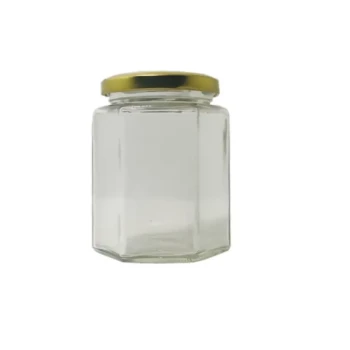
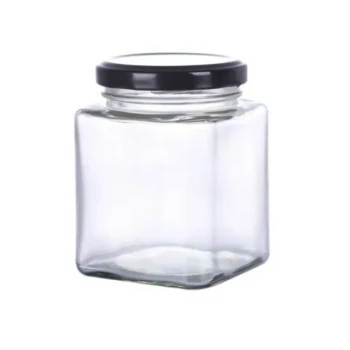
- Hexagonal Glass Honey Jars with Metal Lug Caps Elegant Versatile Packaging
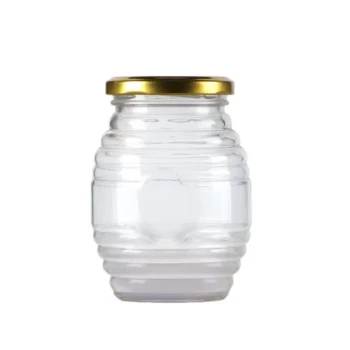
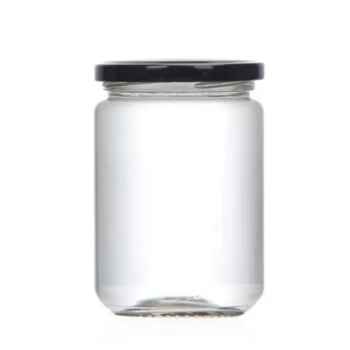
- Classic Glass Honey Jar with Metal Lug Cap for Beehive Storage
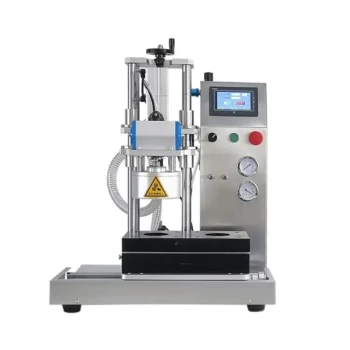
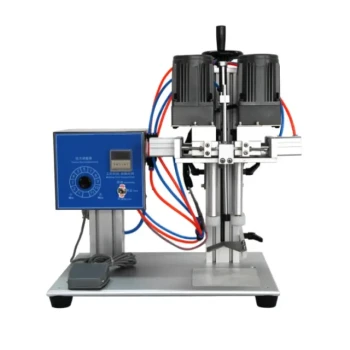
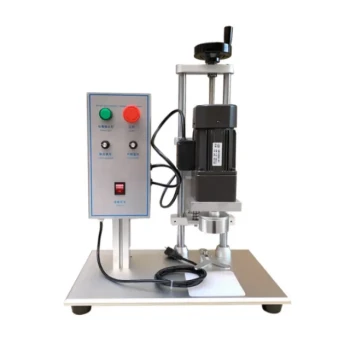
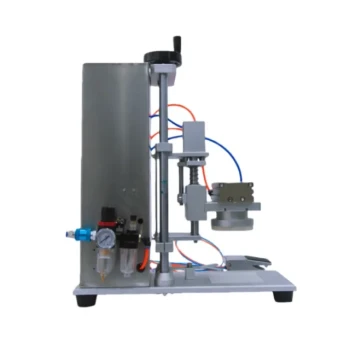
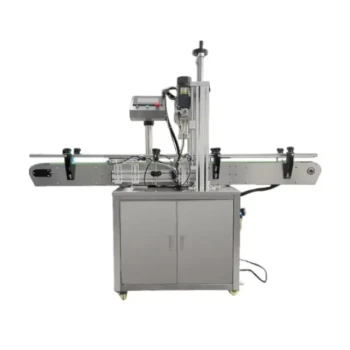
- Semi-Automatic Vacuum Capping Machine with Pneumatic Control for Glass Jars
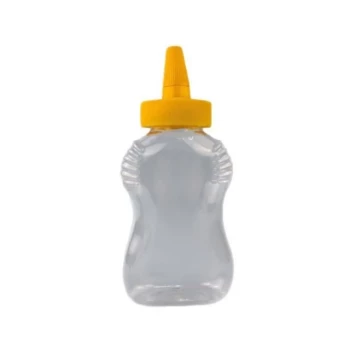
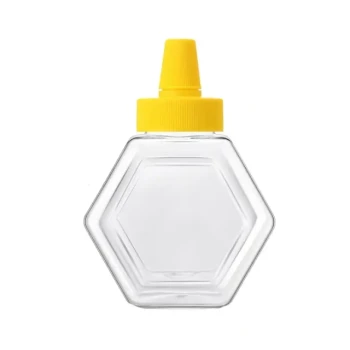
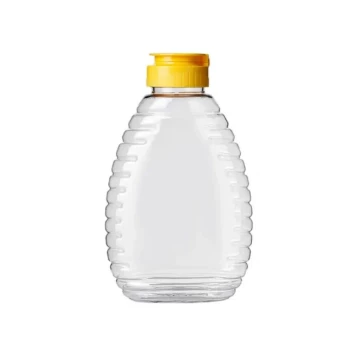
- Ergonomic Squeezable Honey Bottle with Precision Twist Nozzle Cap
- Semi-Automatic Pneumatic Bottle Capping Machine by HONESTBEE
People Also Ask
- What is the aesthetic appeal of using glass jars for honey? Elevate Your Brand with Premium Packaging
- What are the logistical challenges associated with using glass jars for honey packaging? Navigating Weight & Fragility
- What are the advantages of glass containers for honey? Elevate Quality and Market Value with Premium Packaging
- What are the technical advantages of using glass jars for honey? Master Commercial Packaging for Premium Purity
- What are the advantages of using glass jars for honey packaging? Preserve Purity & Elevate Your Brand