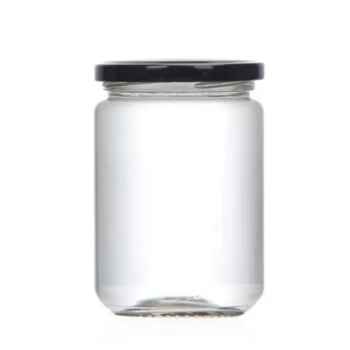
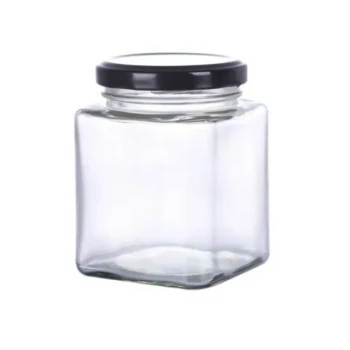
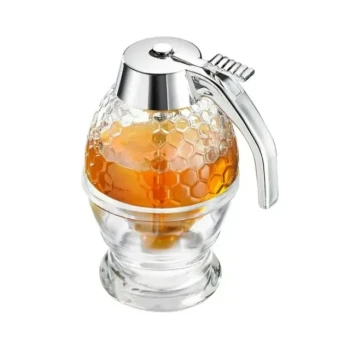
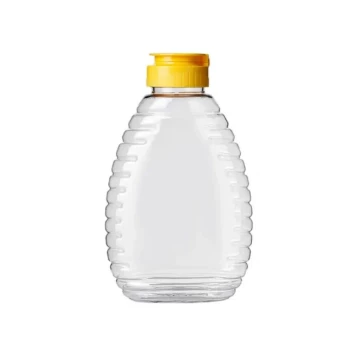
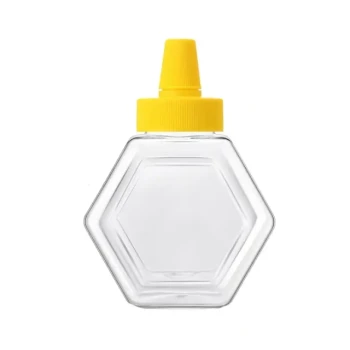
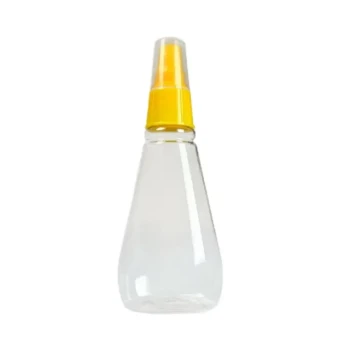
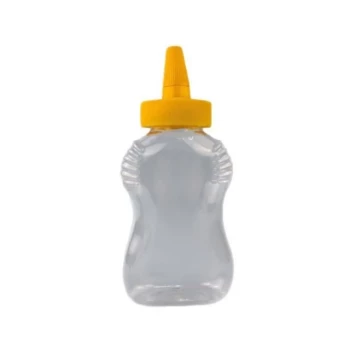
Food-grade plastic and glass containers are the industry standard for honey packaging primarily because they provide an effective barrier against environmental factors that degrade quality. These materials isolate the honey from air, moisture, and odors, ensuring that fermentation is prevented and the product remains hygienic and safe for long-term storage.
The choice of packaging is not merely about containment; it is a critical preservation strategy that maintains the honey's natural enzyme activity and flavor profile while meeting strict retail hygiene standards.
Preserving Chemical and Sensory Integrity
Superior Barrier Protection
The primary function of final packaging is to act as a shield. Food-grade plastic and glass provide superior barrier properties that effectively isolate honey from the external environment.
This isolation is critical for preventing the ingress of moisture, which is the leading cause of fermentation and spoilage. By locking out external humidity and gases, these containers stabilize the honey's condition.
Maintaining Flavor and Enzymes
Honey contains volatile components and natural enzymes that are sensitive to degradation. Specialized packaging preserves this natural enzyme activity by preventing oxidation.
Furthermore, materials like glass and high-quality food-grade plastic are odorless. This prevents the honey from absorbing external scents, ensuring the consumer experiences the authentic flavor profile of the harvest.
Visual Inspection and Transparency
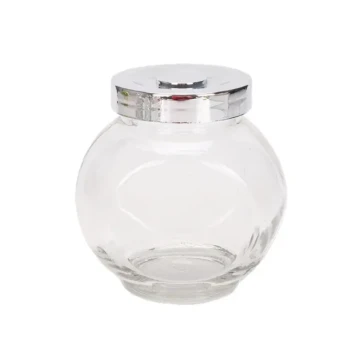
Particularly with glass, high transparency is a functional asset. It allows consumers to assess the color and clarity of the liquid honey before purchase, which is a key standard for judging sensory quality.
Clear packaging allows the honey's natural "golden color" to serve as its own marketing, building immediate consumer trust.
Meeting Market and Safety Standards
Hygiene and Consumer Safety
Using standardized food-grade containers eliminates the risks associated with ad-hoc solutions, such as reusing beverage bottles. Standardized packaging addresses consumer concerns regarding hygiene and safety by guaranteeing a sterile environment.
This serves as a foundational requirement for distribution in retail supermarket chains, where packaging integrity is non-negotiable.
Standardization for Distribution
To meet market demands, these containers are typically available in standardized sizes ranging from 100 grams to 1 kilogram.
This standardization facilitates easier warehousing and distribution. It allows producers to scale their operations from local sales to broader commercial markets without changing their fundamental packaging strategy.
Understanding the Trade-offs
The Logistics of Glass
While glass offers superior chemical stability and gas barriers, it presents significant logistical challenges. Glass is fragile and heavy, with empty jars weighing significantly more than plastic equivalents.
This weight increases shipping costs, and the fragility necessitates investment in protective materials like bubble wrap or reinforced boxes. Additionally, glass cannot be stacked as high as plastic in storage without risking structural failure.
Environmental Considerations
Glass is often viewed as the more sustainable option. It is fully recyclable and can be melted down indefinitely without losing quality, whereas plastic poses long-term environmental degradation challenges.
However, the carbon footprint of transporting heavy glass must be weighed against the recyclability benefits depending on your distribution radius.
Making the Right Choice for Your Goal
Selecting the right packaging material depends on balancing product preservation with logistical reality.
- If your primary focus is Premium Retail Presence: Choose high-transparency glass jars to maximize shelf appeal, display product clarity, and signal high quality to the consumer.
- If your primary focus is Logistics and Cost Reduction: Choose standardized food-grade plastic to reduce shipping weight, minimize breakage during transport, and allow for higher stacking density.
- If your primary focus is Long-Term Sustainability: Choose glass containers to leverage their indefinite recyclability and appeal to eco-conscious consumers.
Ultimately, the correct packaging choice ensures your honey reaches the consumer with the same biological integrity and flavor profile it possessed in the hive.
Summary Table:
| Feature | Glass Jars | Food-Grade Plastic |
|---|---|---|
| Barrier Protection | Excellent (Air & Moisture) | Good (Oxygen & Moisture) |
| Weight & Logistics | Heavy & Fragile | Lightweight & Durable |
| Consumer Perception | Premium & High-End | Functional & Cost-Effective |
| Recyclability | 100% Infinitely Recyclable | Limited (Varies by Plastic Type) |
| Best Use Case | Premium Retail & Gifting | E-commerce & High-Volume Sales |
Elevate Your Apiary’s Commercial Potential with HONESTBEE
Choosing the right packaging is just one step in scaling your honey production. HONESTBEE specializes in empowering commercial apiaries and distributors with high-performance solutions. From precision honey-filling machines and specialized hive-making hardware to a full spectrum of wholesale beekeeping tools and essential consumables, we provide the infrastructure you need to grow.
Whether you are looking for specialized machinery or premium honey-themed cultural merchandise to enhance your brand, we are here to support your success. Partner with HONESTBEE today to optimize your operations and bring the highest quality honey to the global market.
References
- MT Uddin, Md. Kamruzzaman. Value Chain Analysis of Honey in Bangladesh: Production Practices and Livelihood Perspective. DOI: 10.3329/sja.v19i2.57689
This article is also based on technical information from HonestBee Knowledge Base .
Related Products
- Food Grade Plastic Honey Bucket Pail for Beekeeping
- Classic Drum Shaped Glass Honey Jar with Airtight Lid
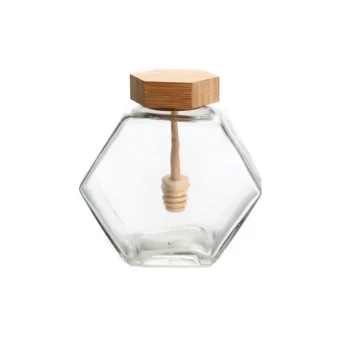
- Hexagonal Glass Honey Jar with Wooden Lid Integrated Dipper Elegant Functional Storage
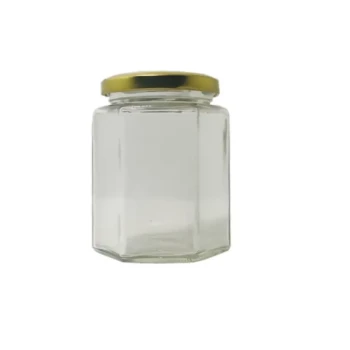
- Hexagonal Glass Honey Jars with Metal Lug Caps Elegant Versatile Packaging
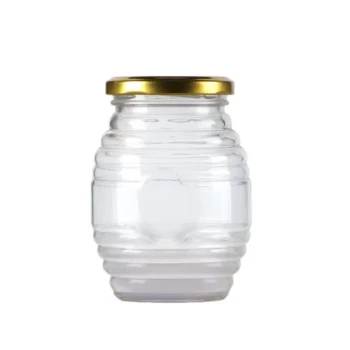
- Classic Glass Honey Jar with Metal Lug Cap for Beehive Storage
People Also Ask
- What key operational precautions should be taken when using honey buckets and extractors fitted with bottom drain taps?
- What functions do food-grade honey buckets perform? Safeguard Your Harvest and Optimize Apiary Logistics
- Why are food-grade plastic buckets preferred for honey? Protect Quality with Modern Honey Collection Tools
- What is the significance of food-grade plastic honey collection buckets? Boost Quality in Forest Honey Logistics
- What is a honey pail? The Essential Container for Protecting Your Honey's Value