High-efficiency centrifugal extraction and temperature-controlled processing are indispensable for producing honey that meets rigorous international quality standards. These precision tools serve a dual purpose: they facilitate the rapid removal of impurities and excess moisture while strictly preventing thermal damage, ensuring the final product retains the chemical and sensory profile required for top-tier certifications.
Core Takeaway Achieving high-standard honey production requires balancing volume with delicate preservation. Advanced machinery ensures compliance with strict parameters—specifically moisture content below 18.6% and HMF levels below 15mg/kg—while preserving the honeycomb structure to maximize future yields and minimize the energy expenditure of the colony.
Preserving Chemical Integrity and Flavor Profile
Preventing Thermal Degradation
The primary enemy of raw honey quality is heat. Temperature-controlled processing is critical to prevent the rise of Hydroxymethylfurfural (HMF), a compound that indicates thermal damage or aging.
To meet high standards, such as those for Protected Designation of Origin (PDO) certification, HMF levels must generally remain below 15mg/kg. Precision thermal controls ensure the honey is never overheated during processing, preserving its biological value.
Protecting Natural Enzymes
Honey contains delicate natural enzymes that are highly sensitive to processing conditions. High-efficiency machines allow for impurity removal without subjecting the honey to harsh conditions that would denature these enzymes.
Preserving these enzymes, along with volatile flavors, is essential for distinguishing high-quality, biologically active honey from standard commercial sweeteners.
Managing Moisture Content
High-standard honey requires a precise moisture content, specifically below 18.6 percent, to prevent fermentation and ensure stability. Modern processing equipment helps maintain this balance during the extraction and bottling phases, ensuring a shelf-stable product that meets international export criteria.
Maximizing Yield through Non-Destructive Extraction
The Mechanics of Centrifugal Force
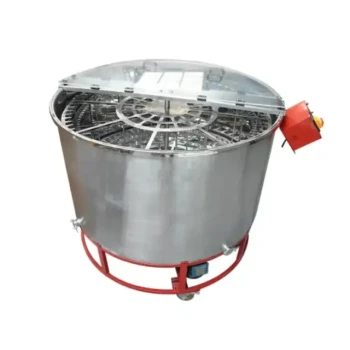
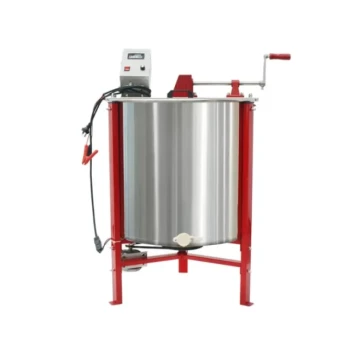
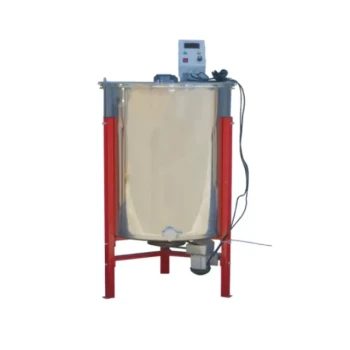
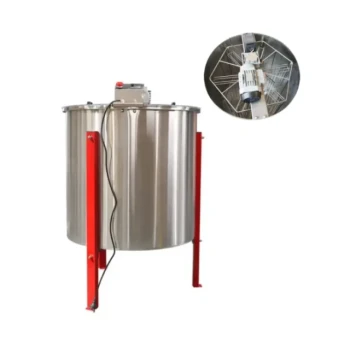
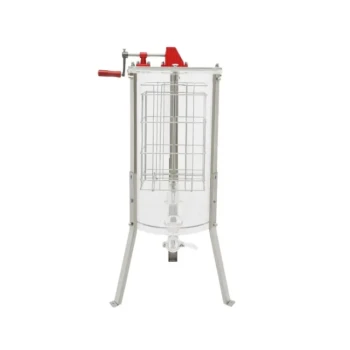
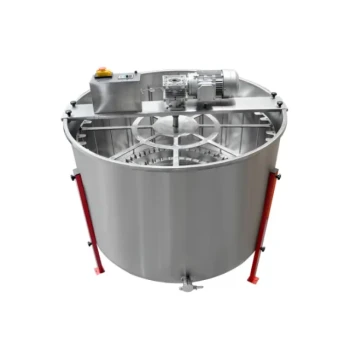
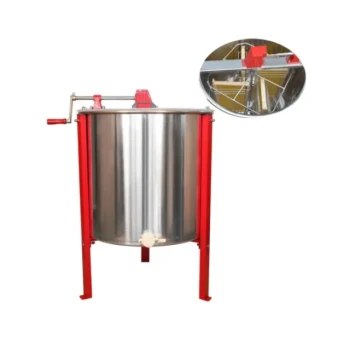
Professional centrifugal extractors utilize stable rotation speeds tailored to the specific viscosity of the honey. This allows the honey to be spun out of the comb effectively without relying on heat or crushing the frames.
Preserving the Honeycomb Structure
Unlike traditional crushing methods, centrifugal extraction maintains the integrity of the honeycomb structure. This is a critical efficiency factor for the apiary's long-term productivity.
Because the wax comb is preserved, it can be returned to the hive for reuse.
Reducing Bee Energy Expenditure
When bees are given reused combs, they do not need to expend energy secreting new wax to rebuild the nest. This allows the colony to redirect its energy entirely toward nectar collection.
Data suggests that this shift significantly shortens the production cycle and allows honey yield growth rates to outpace the growth of the colony count itself.
Ensuring Hygiene and Scalability
Closed-Loop Operations
Industrial-grade machinery often operates as a closed system. This significantly reduces the risk of environmental contamination during the sticky extraction process.
Meeting strict hygiene standards is a prerequisite for obtaining food safety certifications and entering global markets.
Standardization for Commercial Distribution
To utilize large-scale nectar resources, such as vast forest reserves, production must be consistent. Automated filling and extraction machinery ensures that every batch meets the same weight and purity standards.
This consistency transforms biological raw materials into standardized commercial products suitable for high-value retail.
Understanding the Trade-offs
While mechanization is necessary for high-standard production, it introduces specific challenges that producers must manage.
Capital Investment vs. Volume
High-precision, temperature-controlled machinery represents a significant upfront capital cost. This investment is only chemically and economically viable if the producer has access to sufficient nectar flow to justify the capacity.
Maintenance and Operation Skills
Advanced machinery requires skilled operators to adjust rotation speeds and temperature thresholds for different honey varieties. Incorrect settings can lead to over-processing or equipment damage, negating the quality benefits.
Making the Right Choice for Your Goal
To determine the best approach for your production facility, consider your primary objective:
- If your primary focus is PDO/Premium Certification: Prioritize temperature-controlled systems that guarantee HMF levels stay below 15mg/kg to protect volatile flavors.
- If your primary focus is Volume and Efficiency: Invest in high-capacity centrifugal extractors that preserve combs, allowing for rapid hive turnover and maximum yield per colony.
By integrating these technologies, producers bridge the gap between raw apiary output and the rigorous demands of the global luxury market.
Summary Table:
| Feature | High-Standard Requirement | Machine Benefit |
|---|---|---|
| HMF Levels | Below 15mg/kg | Precision thermal control prevents heat damage |
| Moisture Content | Below 18.6% | Stable processing maintains shelf-life standards |
| Comb Integrity | Non-destructive extraction | Centrifugal force preserves wax for hive reuse |
| Enzyme Activity | Biological preservation | Low-heat impurity removal protects natural enzymes |
| Hygiene | Food-grade certification | Closed-loop systems eliminate contamination risks |
Elevate Your Honey Production with HONESTBEE
At HONESTBEE, we specialize in empowering commercial apiaries and distributors with the precision tools needed to dominate the premium honey market. From high-capacity centrifugal extractors that protect your valuable honeycomb to temperature-controlled honey-filling machines that guarantee chemical integrity, our comprehensive wholesale portfolio covers every stage of production.
Whether you need specialized hive-making machinery or essential industry consumables, we provide the hardware and expertise to help you meet rigorous international standards and scale your distribution.
Ready to optimize your yield and quality?
References
- I. Kline Arih. Api-tourism: transforming Slovenia’s apicultural traditions into a unique travel experience. DOI: 10.2495/sdp150811
This article is also based on technical information from HonestBee Knowledge Base .
Related Products
- Stainless Steel Manual 8 Frame Radial Honey Extractor Machine for Beehives
- HONESTBEE 72 Frame Industrial Electric Honey Extractor for Beekeeping
- HONESTBEE 6 Frame Three Use Electric Honey Extractor for Beekeeping
- 32 Frame Commercial Electric Honey Extractor for Beekeeping and Honey Production
- HONESTBEE 3-Frame Manual Acrylic Honey Extractor
People Also Ask
- What types of beehive frames are compatible with honey extractor machines? Find the Perfect Match for Your Apiary
- Which type of honey extractor is generally more durable? Focus on Material & Build Quality for Longevity
- What are the key features and benefits of a stainless steel honey extractor? Upgrade to Professional Purity
- What are the disadvantages of a manual honey extractor? Overcome Efficiency Bottlenecks in Your Apiary
- Why are manual extractors popular among beginner beekeepers? A Guide to Starting Simple & Saving Money