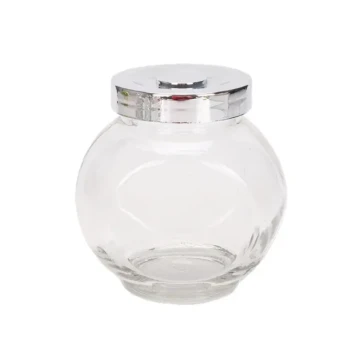
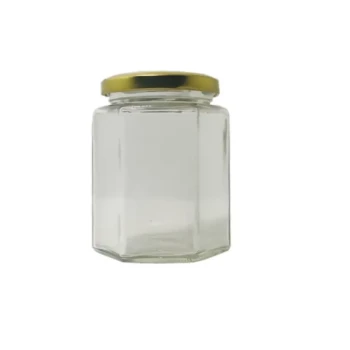
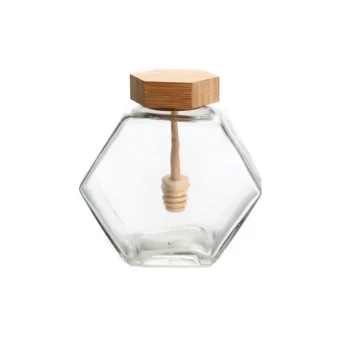
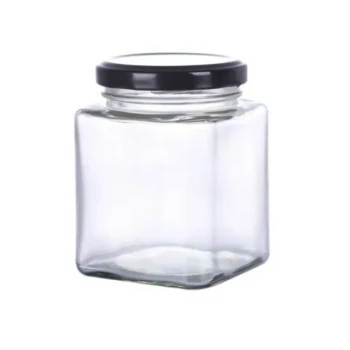
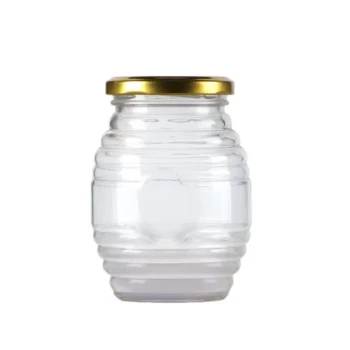
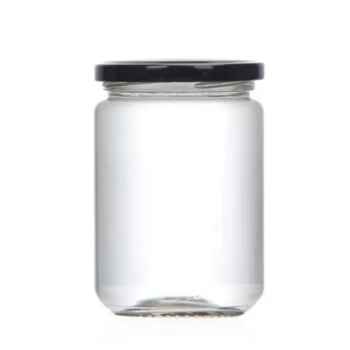
High-transparency glass jars are the preferred choice for retail bee products because they serve a dual function: protecting the chemical integrity of the honey while enabling immediate visual quality assurance. They offer an impermeable barrier that prevents spoilage and flavor loss, while their optical clarity allows consumers to verify key attributes like viscosity and color before buying.
The core advantage of glass packaging is that it creates a "vault" for the product without hiding it. It combines superior barrier protection against moisture and oxidation with the visual transparency required for high-end consumer trust and verification.
The Science of Preservation
Chemical Inertness and Purity
The primary technical argument for glass is its chemical stability. Unlike some plastics, glass is inert, meaning it will not react with the honey or leach plasticizers into the product. This ensures that the honey’s original nutritional content and unique flavor profile remain unaltered during storage.
Controlling Volatile Aromatics
Honey possesses a complex scent profile driven by volatile aromatic substances. High-transparency glass provides a dense barrier that prevents these delicate aromatics from escaping. This ensures that the sensory experience upon opening the jar matches the product's original quality.
Critical Moisture and Oxygen Barriers
Honey is hygroscopic, meaning it naturally absorbs moisture from the air. Glass packaging offers superior sealing capabilities that block external moisture, preventing the honey from fermenting or spoiling. Furthermore, the oxygen barrier properties of glass prevent oxidation, which is critical for extending shelf life.
Visual Trust and Consumer Psychology
Enabling Visual Inspection
In the retail environment, the transparency of the glass serves as a quality verification tool. It allows consumers to conduct a preliminary quality assessment based solely on appearance. Shoppers can instantly evaluate the honey's color, liquid uniformity, and viscosity without breaking the seal.
Showcasing Texture and Crystallization
For premium bee products, physical texture is a selling point. High-transparency glass reveals delicate crystalline textures and consistency. This visual access increases the perceived market value and meets the sensory requirements of high-end retail consumers who prefer to see exactly what they are buying.
Understanding the Trade-offs
Fragility and Logistics
While glass offers superior preservation, it introduces logistical challenges regarding weight and fragility. Glass is significantly heavier than plastic alternatives, which increases shipping costs and carbon footprint. Additionally, the risk of breakage during transit requires more robust secondary packaging.
Light Exposure
While transparency is excellent for sales, it does expose the product to light. Prolonged exposure to direct sunlight or harsh retail lighting can eventually impact the quality of honey. High-transparency jars are best suited for environments where stock turnover is managed effectively to minimize light degradation.
Making the Right Choice for Your Product
- If your primary focus is Premium Retail Presentation: Prioritize high-transparency glass to allow consumers to inspect color and viscosity, utilizing the packaging as a visual guarantee of quality.
- If your primary focus is Flavor and Aroma Integrity: Rely on glass for its hermetic sealing capabilities and chemical inertness to ensure no volatile aromatics are lost and no contaminants are introduced.
By selecting high-transparency glass, you align the technical requirements of preservation with the consumer's desire for product visibility and trust.
Summary Table:
| Feature | Glass Jar Benefit | Impact on Retail Bee Products |
|---|---|---|
| Chemical Inertness | No leaching of plasticizers | Preserves honey purity and nutritional profile |
| Barrier Properties | Blocks moisture & oxygen | Prevents fermentation and extends shelf life |
| Aroma Retention | Dense material density | Seals in complex volatile aromatic scents |
| Optical Clarity | 100% transparency | Allows visual verification of color and viscosity |
| Consumer Psychology | High-end perception | Increases market value and builds brand trust |
Elevate Your Bee Product Brand with Premium Packaging
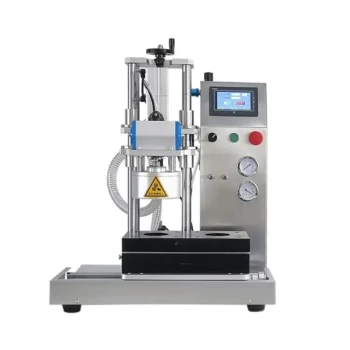
At HONESTBEE, we understand that the right packaging is just as important as the honey inside. We cater to commercial apiaries and global distributors with a comprehensive wholesale offering designed to scale your operations. From high-transparency glass jars that showcase your product's purity to advanced honey-filling machines and specialized beekeeping tools, we provide everything you need to succeed in the competitive retail market.
Our value to you:
- Full Spectrum Supply: A one-stop shop for hardware, machinery, and essential consumables.
- Industry Expertise: Tailored solutions for high-end retail presentation and efficient production.
- Wholesale Efficiency: Competitive pricing for bulk orders of beekeeping equipment and merchandise.
Ready to enhance your product's appeal and operational efficiency? Contact us today to explore our full catalog!
References
- Murat Sayılı. Tokat İlinde Tüketicilerin Arı Ürünleri Tüketim Durumları Ve Alışkanlıkları. DOI: 10.31467/uluaricilik.162297
This article is also based on technical information from HonestBee Knowledge Base .
Related Products
- Classic Drum Shaped Glass Honey Jar with Airtight Lid
- Hexagonal Glass Honey Jars with Metal Lug Caps Elegant Versatile Packaging
- Hexagonal Glass Honey Jar with Wooden Lid Integrated Dipper Elegant Functional Storage
- Modern Square Glass Honey Jar with Twist Off Lid
- Classic Glass Honey Jar with Metal Lug Cap for Beehive Storage
People Also Ask
- What is the best utensil to store honey? Preserve Purity with the Right Container
- How does the appearance of glass jar packaging affect the sales and perception of honey? Boost Your Premium Brand Value
- Why is a glass jar preferred for packaging honey? Ultimate Protection for Purity & Flavor
- What is the aesthetic appeal of using glass jars for honey? Elevate Your Brand with Premium Packaging
- What are the advantages of glass containers for honey? Elevate Quality and Market Value with Premium Packaging