Industrial-grade beehives and weather-resistant hardware are essential because they act as a critical defense system against environmental extremes and physical stress. In unstable climates, this infrastructure provides superior thermal insulation to regulate internal colony temperatures, while its reinforced structure ensures durability during the rigorous demands of transport.
By investing in robust hardware, apiarists do not just buy equipment; they secure the continuity of their operations by stabilizing the hive environment and extending the lifespan of their fixed assets.
Mitigating Thermal Stress in Volatile Climates
Regulating Unseasonal Winter Warmth
Standard equipment often fails to buffer against rapid temperature spikes during winter. Industrial-grade insulation prevents the hive interior from warming too quickly during unseasonal warm spells.
This stability is crucial for maintaining the colony's cluster. It prevents bees from breaking dormancy prematurely, which can lead to excessive energy consumption and starvation before true spring arrives.
Combating Extreme Summer Heatwaves
In unstable climates, summer temperatures can reach dangerous extremes. Superior thermal insulation acts as a barrier, keeping the internal hive temperature within a survivable range.
Without this protection, colonies face severe heat stress. This can result in reduced productivity and, in severe cases, the structural failure of wax combs inside the hive.
Ensuring Operational Continuity During Transhumance
Reducing Structural Damage
For operations that require frequent relocation (transhumance), standard hives often suffer from the physical stress of the journey. Reinforced hive structures are designed to withstand the vibration and impact associated with loading and transport.
Using robust hardware significantly reduces the wear and tear on the equipment. This durability ensures that the hives remain functional longer, preserving the value of these fixed assets.
Protecting the Bees During Transport
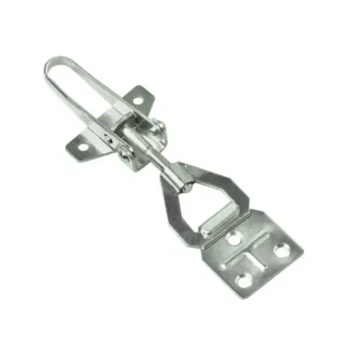
The safety of the colony during transit is paramount. Weather-resistant and robust hardware ensures that hive components remain securely fastened despite the rigors of movement.
This security prevents accidental openings or structural failures on the road. It ensures the bees arrive at their destination safe and contained, minimizing livestock loss.
Understanding the Trade-offs
Assessing Utilization Requirements
While industrial-grade equipment offers superior protection, it is engineered primarily for high-stress environments. If your operation is entirely stationary, the reinforced hardware designed for transport offers diminishing returns.
However, the thermal benefits remain relevant regardless of mobility. You must weigh the higher initial cost of industrial gear against the specific environmental risks of your region.
Making the Right Choice for Your Goal
To maximize the value of your infrastructure investment, align your hardware choice with your primary operational risks:
- If your primary focus is Climate Resilience: Prioritize hives with superior thermal insulation to buffer against heatwaves and false springs.
- If your primary focus is Mobile Operations: Prioritize reinforced structures and robust hardware to prevent damage during frequent loading and transport.
- If your primary focus is Asset Management: View industrial-grade gear as a long-term investment that extends the lifespan of your fixed assets.
Resilient infrastructure is the foundation of a stable and profitable apiary in an unpredictable world.
Summary Table:
| Feature | Standard Equipment | Industrial-Grade Hardware | Operational Benefit |
|---|---|---|---|
| Thermal Insulation | Basic/Minimal | High-Density/Reinforced | Prevents colony loss from unseasonal temperature spikes |
| Structural Integrity | Prone to wear/cracks | Heavy-duty/Impact-resistant | Minimizes damage during frequent transport and loading |
| Hardware Durability | Standard fasteners | Weather-resistant/Zinc-plated | Prevents component failure and rust in humid/wet conditions |
| Asset Lifespan | 2-4 Years | 8+ Years with maintenance | Reduces long-term capital expenditure for commercial apiaries |
Scale Your Commercial Apiary with HONESTBEE
In an era of climate volatility, your infrastructure determines your profitability. HONESTBEE specializes in supporting commercial apiaries and global distributors with a comprehensive wholesale range of industrial-grade beekeeping tools, machinery, and essential consumables.
From heavy-duty hive-making and honey-filling machines to weather-resistant hardware and specialized culture merchandise, we provide the robust solutions necessary to protect your assets and streamline production.
Ready to upgrade your operations? Contact our expert team today to discuss wholesale opportunities and discover how HONESTBEE can future-proof your beekeeping business.
References
- Monica Vercelli, Chiara Ferracini. A Qualitative Analysis of Beekeepers’ Perceptions and Farm Management Adaptations to the Impact of Climate Change on Honey Bees. DOI: 10.3390/insects12030228
This article is also based on technical information from HonestBee Knowledge Base .
Related Products
- Professional Insulated Plastic Bee Hives
- Professional Bee Smoker with Elongated Spout and Durable Bellows for Beekeeping
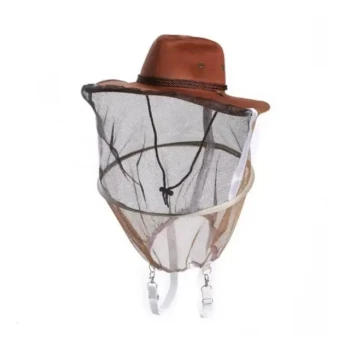
- Premium Cowboy Beekeeper Hat with Visibility Veil Outdoor Professional Beekeeping Protective Gear
- Metal Hive Feet Bee Hive Stand for Ant Protection
- Assembled Wooden Bee Frames with Plastic Foundation for Durability and Convenience by HONESTBEE
People Also Ask
- What are the advantages of plastic bee hives? Boost Efficiency & Durability for Your Apiary
- Are plastic bee hives any good? Unlock Durability & Efficiency for Your Apiary
- How do plastic bee hives compare to wooden hives in handling? Reduce Strain & Boost Efficiency
- Are plastic bee hives good? Durable, Low-Maintenance Hives for Modern Apiaries
- What are the disadvantages of plastic beehives? Key Operational and Environmental Risks Exposed