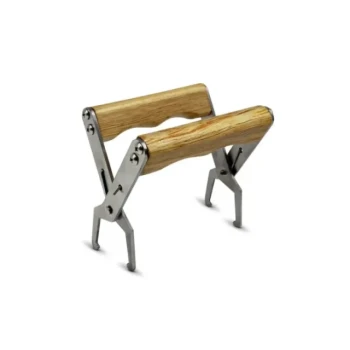
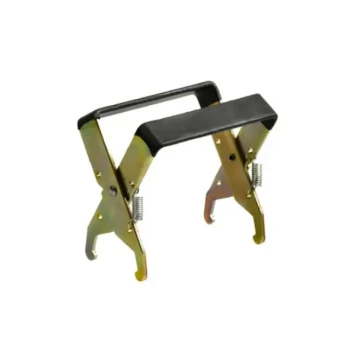
Rapid mobilization is the only effective defense against immediate pesticide threats. Industrial-grade handling and transport equipment allow apiarists to relocate large numbers of colonies quickly when large-scale farmland applications are detected. This hardware bridges the gap between threat detection and safety, enabling the movement of colonies to safe zones several kilometers away to preserve colony health and product purity.
Core Takeaway While static barriers cannot stop airborne chemicals, industrial mobility turns a vulnerable apiary into an agile operation. The primary value of this equipment lies in "active avoidance"—the capability to physically remove entire colonies from toxic zones before foraging bees are exposed to lethal agents.
The Mechanics of Active Avoidance
Speed as a Survival Factor
In commercial agriculture, pesticide application often occurs with short notice. Manual loading of hundreds of hives is too slow to outpace these events.
Industrial-grade transport fleets allow for the rapid mass evacuation of colonies. This speed is critical to move bees outside the flight range of treated fields before foraging begins.
Preserving Product Integrity
The risk extends beyond the immediate death of the bees. Pesticide exposure contaminates the harvest, compromising the quality of honey, bee pollen, and wax.
By utilizing high-efficiency mobile hardware, beekeepers ensure that the raw materials collected by the bees remain pure. This protects the commercial value of the apiary's output.
Standardization Enables Mobility
Uniformity for Secure Transport
To transport hives quickly and safely, equipment must be stackable and secure. Industrial-grade manufacturing ensures high-precision woodworking and consistent dimensions.
Standardized components allow hives to be packed tightly on transport vehicles without instability. This structural uniformity is essential for minimizing vibration and stress on the colony during rapid relocation.
Compatibility with Automated Loaders
Speed relies on the interface between the hive and the handling equipment. Automated manufacturing ensures that hive bodies and frames are compatible with mechanical loaders.
This compatibility reduces the manual labor required to prepare a fleet for movement. It allows a small team to manage the logistics of a large-scale evacuation efficiently.
Understanding the Trade-offs
The Biosecurity Challenge
Frequent movement protects bees from chemicals but exposes them to other risks. Relocating colonies can facilitate the spread of pathogens and cross-infection between different agricultural zones.
To mitigate this, industrial-grade cleaning units utilizing high temperature and pressure are necessary. Deep purification of tools and hives breaks the chain of infection that mobility might otherwise accelerate.
Capital Intensity vs. Operational Risk
Investing in a transport fleet and standardized manufacturing machinery represents a significant upfront cost. This capital intensity creates a barrier to entry for smaller operations.
However, relying on manual methods introduces operational risk. Without the ability to move quickly, the potential loss of livestock and product value due to a single pesticide event can exceed the cost of the equipment.
Integrating Mobility into Your Apiary Strategy
Successful commercial beekeeping in agricultural zones requires balancing mobility with management efficiency.
- If your primary focus is Product Purity: Invest heavily in rapid-response transport fleets to ensure colonies can be moved immediately upon pesticide detection.
- If your primary focus is Operational Efficiency: Prioritize standardized hive manufacturing to ensure all components interact seamlessly with automated loaders and extractors.
- If your primary focus is Disease Control: Pair your transport capabilities with industrial-grade cleaning units to sterilize equipment between relocations.
True resilience in modern beekeeping comes from the capacity to move as fast as the environment changes.
Summary Table:
| Feature | Industrial Mobility Advantage | Impact on Apiary Operations |
|---|---|---|
| Deployment Speed | Rapid mass evacuation of hundreds of hives | Prevents lethal exposure to airborne chemicals |
| Hardware Precision | Standardized, stackable hive components | Ensures stability and safety during high-speed transport |
| Automation Fit | Compatible with mechanical/automated loaders | Reduces labor costs and accelerates response times |
| Product Purity | Active avoidance of treated farmland | Protects honey and wax from chemical contamination |
| Biosecurity | Integration with high-pressure cleaning units | Mitigates pathogen spread during frequent relocations |
Secure Your Apiary’s Future with HONESTBEE Mobility Solutions
In an environment of increasing pesticide risks, speed and standardization are your best defenses. HONESTBEE empowers commercial apiaries and distributors with the industrial-grade tools needed to transform vulnerable yards into agile, mobile operations.
We provide a comprehensive wholesale portfolio designed for large-scale success, including:
- High-Precision Machinery: Hive-making and honey-filling machines for total operational standardization.
- Durable Hardware: A full spectrum of beekeeping tools and equipment built for the rigors of frequent transport.
- Essential Consumables: Everything required to maintain colony health and productivity on the move.
Don't let your investment stay at risk. Contact HONESTBEE today to discover how our specialized machinery and wholesale equipment can enhance your efficiency and protect your product purity.
References
- Halima Sadia, Md Mamunur Rahman. The Exposure of Pesticides to Honeybees: A Global Threat to Food Security. DOI: 10.3844/ojbsci.2024.232.243
This article is also based on technical information from HonestBee Knowledge Base .
Related Products
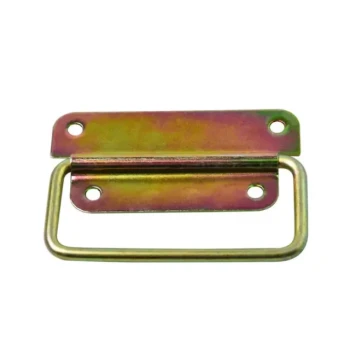
- Professional Grade Foldable Beehive Handles
- Professional Drop-Style Hive Handles for Beekeeping
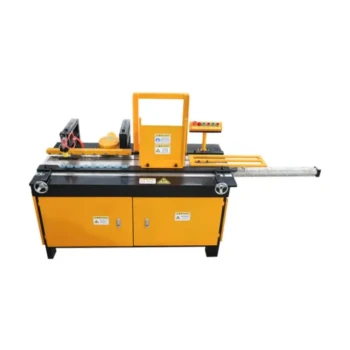
- Beehive Handle and Frame Rest Cutting Machine: Your Specialized Hive Machine
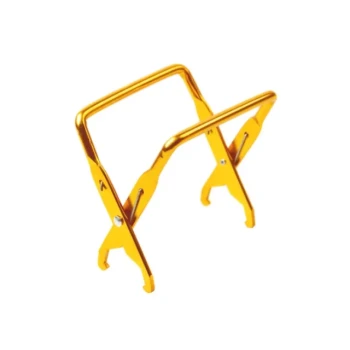
- Ergonomic Two Person Foldable Hive Lifter
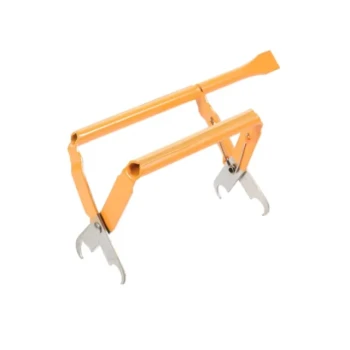
- Multi-Function Frame Grip with Integrated Hive Tool
People Also Ask
- How do bee hive handles facilitate the evaluation of food stores? Use the Lift Test for Winter Survival
- How do the geometry and dimensions of hive handles influence operational safety and control? Expert Design Insights
- What is a bee hive tool? Discover Why It’s the Most Essential Hand Tool for Every Beekeeper
- What are the common sizes and features of bee hive tools? Choose the Right Tools for Your Apiary
- What is the role of professional hive tools in routine apiary maintenance? Expert Tips for Hive Health and Longevity