The decisive advantage of industrial-grade screws in beehive assembly stems from their superior mechanical grip on the wood fibers compared to smooth-shank nails. While nails rely on simple friction, screws create a threaded interlock that is essential for withstanding the harsh environmental conditions a hive endures. This choice is not merely about construction; it is about ensuring the long-term structural integrity and thermal efficiency of the colony's home.
Core Takeaway Wood is a dynamic material that constantly moves due to humidity cycles. Industrial-grade screws accommodate this natural expansion and contraction without loosening, whereas nails are prone to "backing out" over time. Using screws prevents gap formation, preserving the hive's ability to retain heat and protecting the colony.
The Physics of Wood and Weather
Reacting to Humidity Cycles
Beehives are outdoor structures exposed to fluctuating weather conditions. Because wood is hygroscopic, it naturally expands and contracts as it absorbs and releases moisture from the air.
The Challenge of Deformation
This constant physical movement exerts significant stress on the joints of the hive. Fasteners must be able to withstand these repetitive cycles of deformation without losing their hold on the material.
Why Traditional Fasteners Fail
The "Backing Out" Phenomenon
Traditional nails rely on friction to stay in place. As the wood expands and contracts, that friction is repeatedly broken, causing the nails to gradually push out of the hole.
Loss of Structural Integrity
This process, known as backing out, leads to loose joints and unstable components. Over time, a nailed hive is far more likely to suffer from structural failure as the fasteners lose their effective grip.
The Superiority of Mechanical Grip
Threading vs. Friction
Industrial-grade screws engage the wood fibers with threading rather than relying solely on friction. This superior grip anchors the wood securely, resisting the withdrawal forces generated by humidity changes.
Maintaining Tight Seals
By preventing the fasteners from loosening, screws ensure that the hive components remain tightly joined over the long term. This permanence is critical for the functionality of the hive.
The Impact on Colony Health
Preventing Heat Loss
When joints loosen, gaps form between the wooden components. These gaps allow vital warmth to escape, making it difficult for the bees to regulate the internal temperature of the hive.
Eliminating Drafts
Screws maintain a tight seal that prevents drafts. This stability protects the colony from unnecessary stress caused by thermal instability.
Understanding the Trade-offs
While the primary reference strongly advocates for screws, it is important to understand the implication of this choice regarding assembly and materials.
The Cost of Durability
The reference implies a focus on long-term performance over immediate convenience. While nails may be faster to install initially, the "backing out" issue suggests they incur a higher maintenance cost later in the hive's life.
Material Compatibility
The recommendation specifically highlights industrial-grade screws. Using inferior screws that cannot withstand the shear forces of expanding wood may result in snapped fastener heads, negating the benefits of the superior grip.
Making the Right Choice for Your Goal
To maximize the lifespan of your apiary equipment, consider your specific objectives:
- If your primary focus is Colony Health: Prioritize screws to prevent gap formation and heat loss, ensuring better thermal regulation for the bees.
- If your primary focus is Low Maintenance: Choose industrial-grade screws to eliminate the need for repairing loose joints caused by nail withdrawal.
By selecting the correct fastener, you convert the natural movement of wood from a structural liability into a manageable environmental factor.
Summary Table:
| Feature | Industrial-Grade Screws | Traditional Nails |
|---|---|---|
| Grip Mechanism | Threaded mechanical interlock | Simple friction |
| Moisture Resistance | Absorbs wood expansion/contraction | Prone to "backing out" |
| Structural Seal | Maintains tight, permanent joints | Creates gaps over time |
| Colony Impact | Excellent thermal regulation | Risk of drafts and heat loss |
| Maintenance | Low (long-term durability) | High (requires frequent repair) |
Build Better Hives with HONESTBEE
Ensure your apiary's longevity with the right hardware. HONESTBEE provides commercial apiaries and distributors with premium, industrial-grade beekeeping tools and equipment designed to withstand the harshest environments.
From heavy-duty fasteners and hive-making machinery to professional-grade honey-filling systems, we offer the full spectrum of equipment and consumables to scale your operation efficiently.
Ready to upgrade your equipment standards? Contact our wholesale team today to receive a comprehensive quote tailored to your business needs.
References
- Jamie Ellis, Catherine M. Zettel Nalen. Preserving Woodenware in Beekeeping Operations. DOI: 10.32473/edis-aa244-2012
This article is also based on technical information from HonestBee Knowledge Base .
Related Products
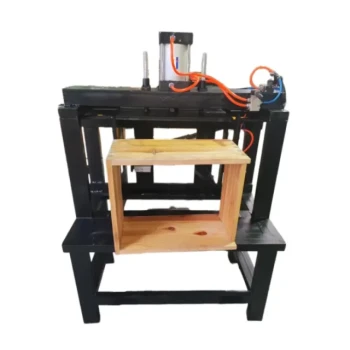
- High-Efficiency Pneumatic Bee Hive Making Machine for Rapid Box Assembly
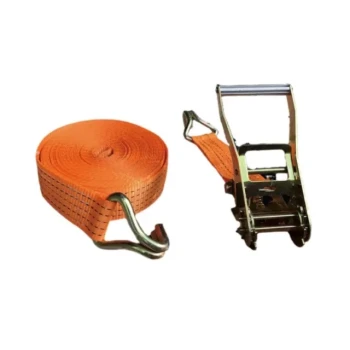
- Heavy Duty Ratchet Hive Strap
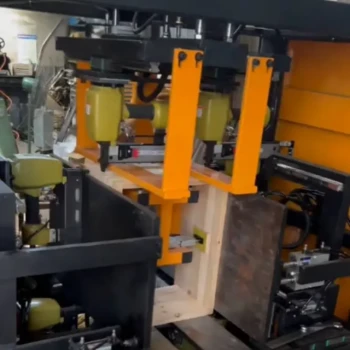
- Automatic High-Speed Bee Hive Box Stapling Machine
- HONESTBEE Wired and Assembled Wooden Bee Frames Foundation for a Thriving Hive
- Assembled Wooden Bee Frames with Plastic Foundation for Durability and Convenience by HONESTBEE
People Also Ask
- How does the introduction of professional beehive-making machinery benefit sustainable beekeeping? Scale Your Apiary
- Why is specialized beehive-making machinery critical for low-defense breeding? Enhance Selection with Precision Tools
- How does the introduction of specialized beehive making machinery contribute to increasing the scale of regional beekeeping industries?
- What is the importance of specialized beehive making machinery in a circular bio-economy? Build Local Sustainability
- Why is specialized beehive-making machinery essential? Scale Your Apiary with Precision Industrial Standards