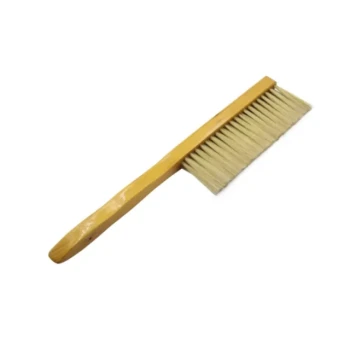
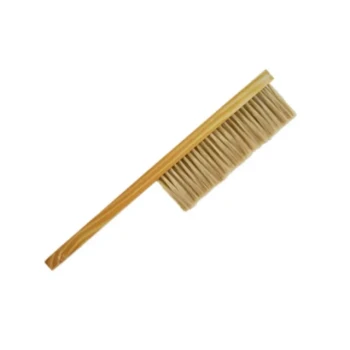
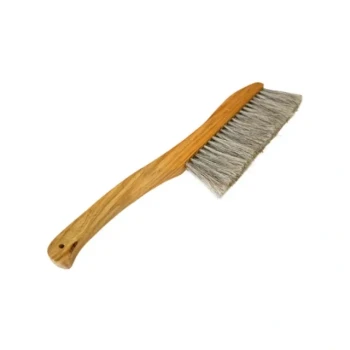
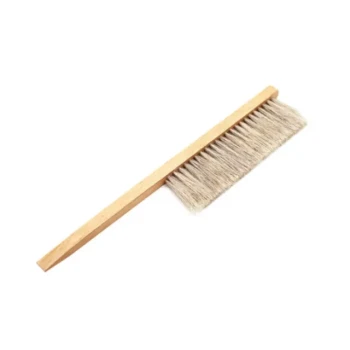
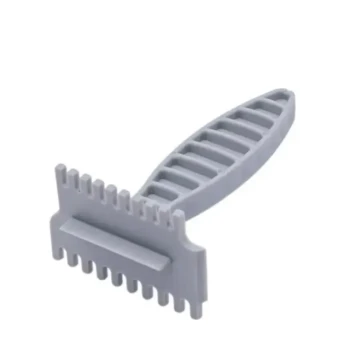
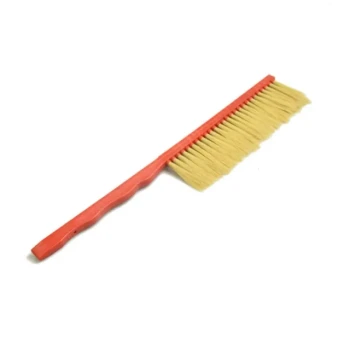
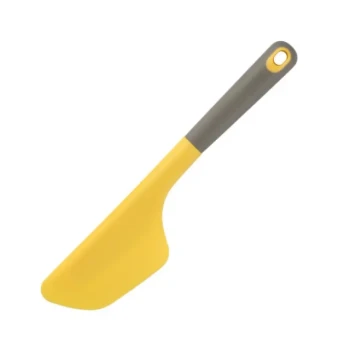
The primary mechanical function of beekeeping cleaning brushes and sweepers is the physical removal of accumulated biological waste. Specifically, these tools are employed to sweep away wax debris, dead bees, and potential pathogen residues from hive bottom boards and tight corners.
Core Insight By mechanically stripping away organic debris, cleaning brushes destroy the primary food sources and shelter for pests like wax moth larvae. This sanitation step acts as a critical preventative measure, significantly lowering the probability of disease outbreaks by denying pests the environment they need to thrive.
The Mechanics of Physical Pest Control
Disrupting the Pest Lifecycle
The accumulation of wax debris in a hive is not merely a cosmetic issue; it is a biological liability.
Wax moth larvae rely on this debris as their primary food source and use accumulated waste as hiding spots.
By mechanically clearing these materials with a sweeper, you effectively starve the larvae and expose them, neutralizing the threat before it impacts the colony.
Eliminating Pathogen Reservoirs
Dead bees and organic residues found on bottom boards can serve as breeding grounds for pathogens.
Allowing this material to fester increases the "pathogen load" within the hive's internal environment.
Regular sweeping serves as a sanitization protocol, physically removing these vectors to maintain a healthier colony ecosystem.
Enhancing Maintenance Efficiency
Facilitating Scientific Hive Management
Effective hive maintenance relies on precision and regularity.
Using specialized tools like sweepers reduces the operational difficulty of keeping a hive clean, allowing for more frequent and scientific maintenance cycles.
This improved hygiene contributes directly to the purity of the raw materials harvested, such as honey and beeswax.
Complementing Other Hive Tools
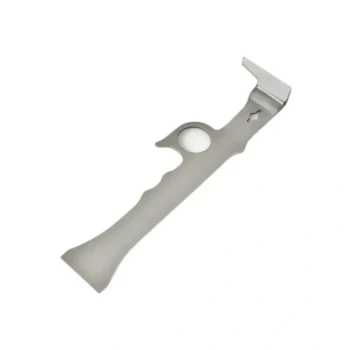
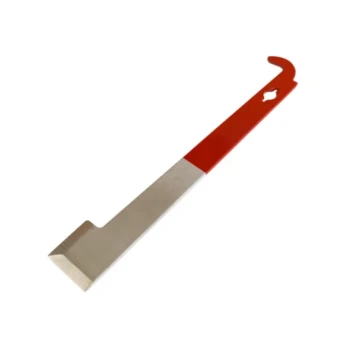
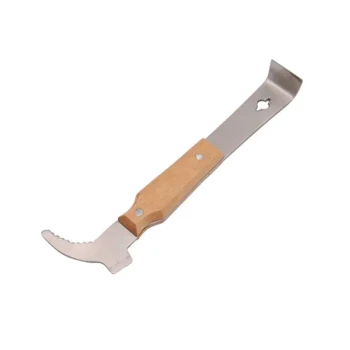
While hive tools (scrapers) are designed to pry open components and scrape away adhered propolis, they often leave loose debris behind.
Sweepers and brushes complete the maintenance cycle by clearing this loosened waste.
This two-step process—scraping followed by sweeping—ensures the long-term durability of the equipment by preventing waste buildup that could distort hive geometry.
Understanding the Limitations
Prevention vs. Cure
It is critical to understand that mechanical sweeping is a preventative measure, not a remediation for a collapsed colony.
Once a pest infestation or disease outbreak is fully established, mechanical cleaning alone is insufficient to save the hive.
The Requirement of Regularity
For this mechanical function to be effective, it must be performed consistently.
Occasional cleaning does not disrupt pest lifecycles effectively; the removal of food sources must be sustained to prevent larvae from establishing a foothold.
Making the Right Choice for Your Goal
To maximize the health and productivity of your apiary, apply these tools based on your specific operational objectives:
- If your primary focus is Pest Management: Prioritize the thorough sweeping of bottom boards and corners during every inspection to eliminate wax moth food sources.
- If your primary focus is Product Quality: Use brushes to remove all loose debris and dead bees before honey collection to ensure the highest purity of the harvested raw materials.
Mechanical sanitation is the first line of defense in maintaining a hive environment that is hostile to pests and conducive to production.
Summary Table:
| Feature | Mechanical Function | Benefit to Apiary |
|---|---|---|
| Waste Removal | Clears wax debris & dead bees | Starves wax moth larvae and removes pathogen vectors |
| Pest Control | Disrupts hiding spots & shelters | Prevents infestations before they establish |
| Hygiene Protocol | Complements scraping tools | Ensures higher purity for honey and beeswax harvests |
| Longevity | Prevents organic buildup | Extends the lifespan of hive components and hardware |
Elevate Your Apiary Operations with HONESTBEE
At HONESTBEE, we understand that professional-grade sanitation is the cornerstone of a productive commercial apiary. As a premier global supplier, we provide commercial apiaries and distributors with a full spectrum of high-quality beekeeping tools, specialized hive-making machinery, and honey-filling solutions. Whether you are looking to source durable sweepers for pest management or high-efficiency equipment for honey production, our wholesale offerings are designed to scale your business.
Ready to optimize your supply chain and enhance colony health? Contact us today to explore our comprehensive wholesale portfolio and discover how our industry-leading equipment can drive your success.
References
- Ademe Mihiretu, Agazhe Tsegaye. Efficiency of some common treatments on infestation level with wax moths, colony strength and honey yield in Northeast Ethiopia: Participatory and comparative analysis. DOI: 10.1080/23311932.2020.1783172
This article is also based on technical information from HonestBee Knowledge Base .
Related Products
- Wooden Bee Brush with Triple Row Artificial Fiber for Beekeeping
- Double Row Artificial Fiber Bee Brush for Beekeeping
- Classic Wooden Bee Brush with Double-Row Boar Bristles
- Premium Triple-Row Horsehair Bee Brush
- Wooden Bee Brush with Double-Row Horsehair Bristles
People Also Ask
- What is the specific function of a bee brush? Ensure Pure Harvests and Colony Welfare During Honey Extraction
- What are the key characteristics of the bristles on a bee brush? Master Gentle and Efficient Bee Removal
- What is the purpose of using a bee brush during the inspection of hive components? Safe & Precise Hive Management
- What problem does a bee brush solve? Protect Your Colony with Gentle Precision Tools
- Why is a bee brush necessary when extracting honeybee hive frames that contain larvae? Protect Your Brood and Colony