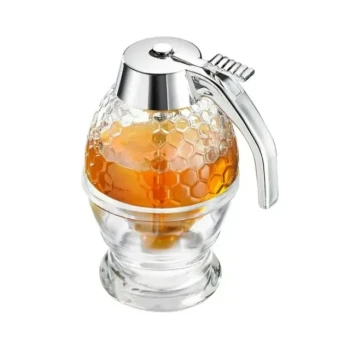
Industrial-grade sterile sampling jars are the definitive standard for honey collection because they provide a controlled environment that strictly prevents secondary contamination. By isolating the sample from external microorganisms and impurities immediately upon collection, these vessels ensure that subsequent laboratory data reflects the true condition of the apiary rather than artifacts introduced during transport.
The reliability of honey analysis rests entirely on sample integrity. Sterile, sealed environments prevent the introduction of exogenous variables—such as moisture or bacteria—ensuring that critical metrics like Hydroxymethylfurfural (HMF) levels and diastase activity are accurate and unbiased.
Safeguarding Biochemical Fidelity
Preventing Secondary Contamination
The primary function of an industrial-grade jar is to act as an absolute barrier. During the analysis of pollen or biochemical monitoring, the introduction of exogenous impurities can skew results significantly.
Using a sterile jar eliminates the risk of "secondary contamination" from the external environment. This ensures that any microorganisms or particulate matter detected in the lab originated from the hive, not the sample container or the surrounding air.
Protecting Enzyme and Chemical Markers
Honey quality is often graded on sensitive factors such as Hydroxymethylfurfural (HMF) content and diastase activity. These markers are chemically fragile and can fluctuate based on environmental exposure.
If a sample is contaminated by external biological agents, it can lead to biased testing data. A sterile environment preserves the specific chemical composition of the honey components, providing a valid foundation for quality monitoring.
Managing Hygroscopy and Stability
Blocking Moisture Absorption
Honey is naturally hygroscopic, meaning it aggressively absorbs moisture from the atmosphere. Industrial sampling jars with airtight seals are essential to interrupt this physical process.
If a sample absorbs atmospheric moisture, it artificially inflates water content readings. More critically, excess moisture can trigger premature fermentation, causing the sample to spoil before it can be analyzed.
Retaining Volatile Compounds
Beyond basic chemistry, honey contains volatile aromatic compounds that define its botanical origin. An airtight seal prevents these distinct aromas from escaping.
This containment safeguards the original physicochemical properties of the honey. It ensures that the sample analyzed in the lab is identical in aroma and composition to the honey at the production site.
Understanding the Trade-offs: Material Selection
The Case for Glass
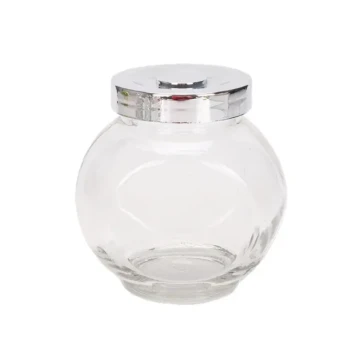
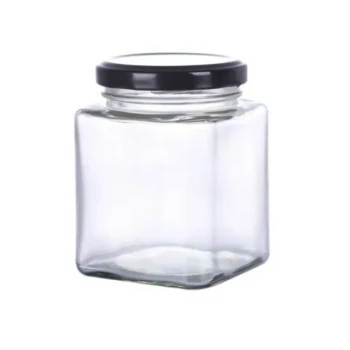
When the primary goal is analyzing the mineral profile or trace elements, clean glass bottles are superior. Glass is chemically inert, meaning it will not react with the honey or leach chemicals.
Using glass prevents the potential trace metal contamination that can occur with certain plastic packaging. This is critical for preserving the purity of the honey's original mineral composition for high-precision research.
The Utility of High-Grade Plastic
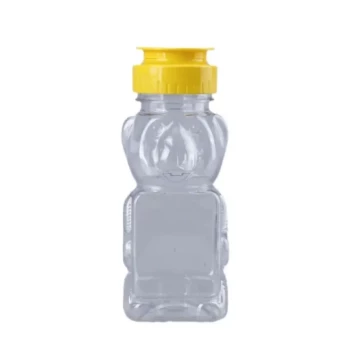
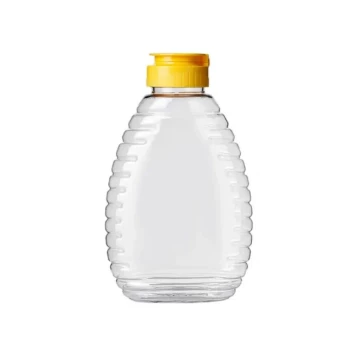
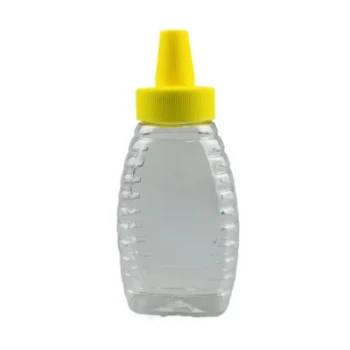
For general field collection where transport durability is key, airtight plastic bottles are effective. They excel at blocking contact with high-humidity air and preventing leakage.
However, the plastic must be industrial-grade to avoid chemical leaching. Standard consumer plastics may not offer the same "chemical inertness" as glass or specialized laboratory plastics.
The Necessity of Sterile Tools
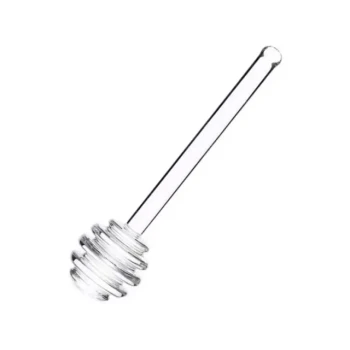
The jar is only half the equation; the transfer method matters equally. Sterile disposable syringes or spatulas must be used to move honey from the comb to the jar.
Using non-sterile tools introduces cross-contamination between different colonies. This compromises molecular biological tests intended to identify specific pathogens or chemical exposures within a single hive.
Making the Right Choice for Your Goal
To select the correct sampling protocol, match the container to your specific analytical priority:
- If your primary focus is Trace Metal or Mineral Analysis: Use sealed glass bottles to ensure chemical inertness and prevent plastic-related contamination.
- If your primary focus is Moisture Content or Fermentation Risk: Use airtight, industrial-grade plastic containers to strictly block humidity exchange and prevent leakage.
- If your primary focus is Pathogen or Disease Identification: Use sterile containers combined with disposable extraction tools (syringes/spatulas) to prevent cross-contamination between hives.
Scientific accuracy begins in the field; a sterile, sealed container is not merely storage, but the first step in rigorous data validation.
Summary Table:
| Feature | Analytical Benefit | Best Material |
|---|---|---|
| Airtight Seal | Prevents moisture absorption and premature fermentation | Industrial Plastic / Glass |
| Sterile Environment | Eliminates secondary contamination and ensures pathogen accuracy | Sterile-Grade Plastic |
| Chemical Inertness | Preserves mineral profiles and prevents trace metal leaching | Borosilicate Glass |
| Vapor Barrier | Retains volatile aromatic compounds for origin testing | High-Grade Plastic / Glass |
Secure the Integrity of Your Honey Production with HONESTBEE
Precise laboratory data starts with professional-grade collection tools. HONESTBEE provides commercial apiaries and distributors with the high-performance equipment needed to maintain global quality standards.
Whether you are looking for specialized honey-filling machines, hive-making hardware, or laboratory-grade consumables to protect your HMF and enzyme metrics, we offer a comprehensive wholesale portfolio. From industrial-grade sampling jars to honey-themed cultural merchandise, we help you scale your operations while ensuring product excellence.
Ready to elevate your apiary's standards? Contact HONESTBEE Today for Specialized Beekeeping Solutions
References
- İsmühan Potoğlu Erkara, Okan Sezer. Palynochemical Quality Monitoring of Honey Samples In And Around EskişEhiR Province, Turkey. DOI: 10.3329/bjb.v52i1.65231
This article is also based on technical information from HonestBee Knowledge Base .
Related Products
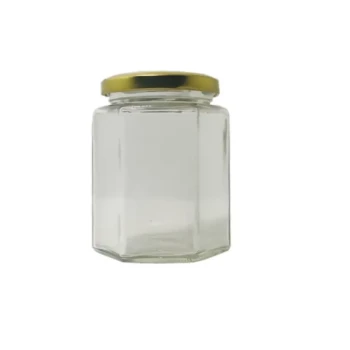
- Hexagonal Glass Honey Jars with Metal Lug Caps Elegant Versatile Packaging
- Classic Glass Honey Jar with Metal Lug Cap for Beehive Storage
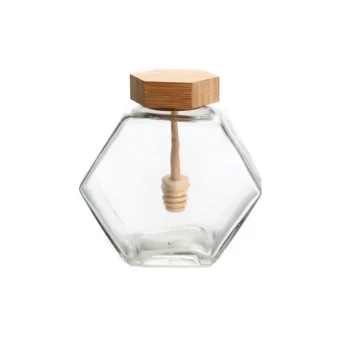
- Hexagonal Glass Honey Jar with Wooden Lid Integrated Dipper Elegant Functional Storage
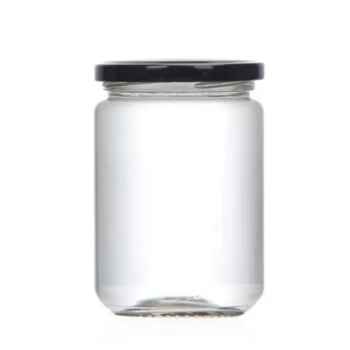
- Classic Round Glass Honey Jar with Lid
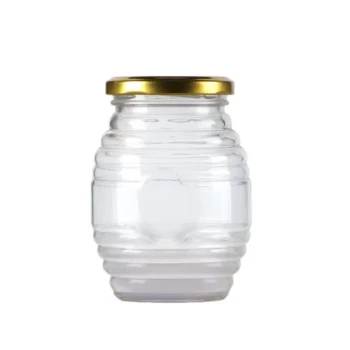
- Classic Drum Shaped Glass Honey Jar with Airtight Lid
People Also Ask
- What is the aesthetic appeal of using glass jars for honey? Elevate Your Brand with Premium Packaging
- What are the logistical challenges associated with using glass jars for honey packaging? Navigating Weight & Fragility
- What are the advantages of glass containers for honey? Elevate Quality and Market Value with Premium Packaging
- What are the technical advantages of using glass jars for honey? Master Commercial Packaging for Premium Purity
- What are the advantages of using glass jars for honey packaging? Preserve Purity & Elevate Your Brand