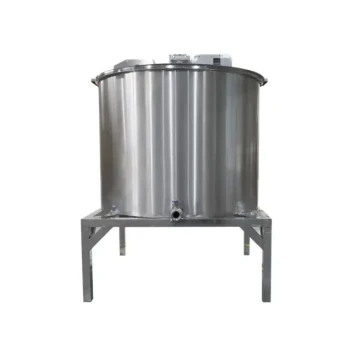
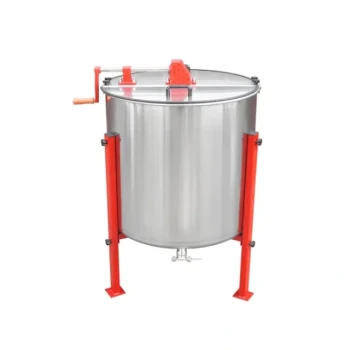
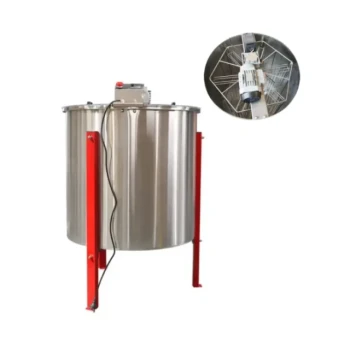
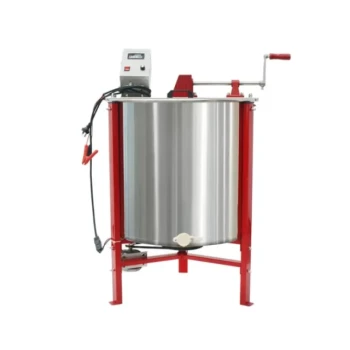
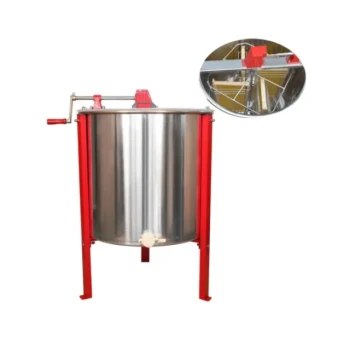
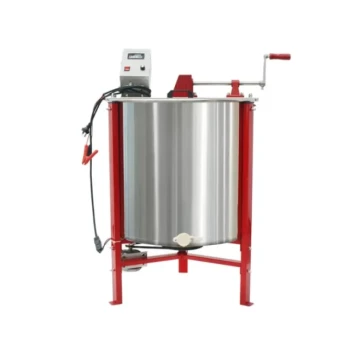
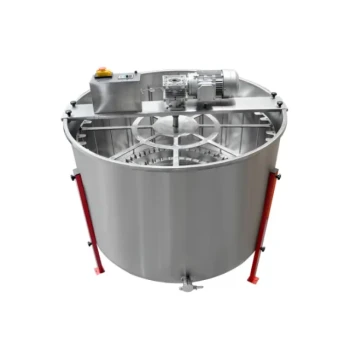
Laboratory-grade honey extractors are indispensable instruments that bridge the gap between mechanical processing and scientific data collection. They utilize controlled centrifugal force to extract mature honey while preserving the honeycomb's structural integrity. This specific capability allows for the precise calculation of honey yield per hive, serving as the foundational metric for evaluating genetic improvements and colony management effectiveness.
The true value of these devices extends beyond extraction; they generate the reliable phenotypic data necessary to distinguish between environmental factors and genuine genetic potential, while simultaneously maximizing colony energy efficiency.
The Role of Non-Destructive Extraction
Preserving Comb Integrity
The primary mechanical function of these extractors is the use of centrifugal force. This separates the honey from the wax combs without crushing or destroying the physical structure of the comb. This process ensures high standards of hygiene and honey purity by preventing the mixing of wax debris with the final product.
Accelerating the Production Cycle
The biological advantage of non-destructive extraction is significant. Because the combs remain intact, they can be returned to the hive for immediate reuse by the bees. This saves the colony the substantial energy and time required to secrete new beeswax, effectively shortening the honey production cycle and allowing resources to be redirected toward honey accumulation.
Quantitative Evaluation and Genetic Improvement
The Methodology of Yield Calculation
For research and breeding purposes, extraction is a data-gathering event. Yield is calculated by measuring the weight difference of the supers (the hive boxes) before and after centrifugation. This method provides an exact, quantitative figure for the honey produced by a specific colony, eliminating estimates or volume-based errors.
Standardizing Phenotypic Data
High-precision measurement equipment creates a standardized record of honey output across different breeding groups. This reliable phenotypic data allows breeders to perform quantitative analyses. It is essential for determining how much of the yield is due to environmental conditions versus the actual genetic contributions of the colony.
Informing Targeted Breeding Programs
Precise yield data allows for the accurate comparison of different geographic populations, such as black, yellow, and brown color morphs. By identifying colonies that possess genuine high-yield genetic markers, breeders can make informed decisions. This leads to the selection of superior genetic lines that offer higher economic value.
Understanding the Trade-offs and Requirements
Equipment Configuration and Resource Alignment
While indispensable for precision, these systems require a pre-investment evaluation to ensure compatibility with local resource conditions. Advanced centrifuges and weighing equipment must be properly configured to match the scale of operation. Misalignment between technology and local hardware availability can lead to inefficiencies rather than the intended optimization.
The Complexity of Precision
Unlike simple crushing methods, laboratory-grade extraction requires strict adherence to operational protocols to ensure data validity. The process demands that the "before and after" weighing is conducted with high-precision equipment. Without this rigor, the data loses its value for genetic evaluation, reducing the machine to a simple harvesting tool.
Making the Right Choice for Your Goal
To maximize the utility of laboratory-grade extractors, align your usage with your specific objectives:
- If your primary focus is Genetic Improvement: Prioritize the precision of the weighing equipment paired with the extractor to isolate yield data from environmental noise.
- If your primary focus is Sustainable Production: Focus on the extractor's ability to preserve comb integrity to minimize bee stress and maximize the rate of comb reuse.
True progress in apiculture relies on using these tools not just to harvest a product, but to measure the very biology that creates it.
Summary Table:
| Feature | Laboratory-Grade Extractor | Traditional Crushing Methods |
|---|---|---|
| Mechanism | Controlled Centrifugal Force | Mechanical Destruction |
| Comb Impact | Non-destructive; Reusable | Destroyed; Requires Re-secretion |
| Data Accuracy | Precise (Pre/Post Weight Diff) | Estimated/Volume-based |
| Hygiene Level | High (Minimal Wax Debris) | Moderate (Wax Contamination Risk) |
| Primary Use | Genetic Research & High-Yield Prodn | Small-scale Personal Harvest |
Elevate Your Apiary with HONESTBEE Precision Equipment
At HONESTBEE, we understand that commercial success in apiculture depends on the bridge between advanced technology and biological efficiency. We cater specifically to commercial apiaries and distributors, offering a comprehensive wholesale portfolio that includes everything from high-precision honey extractors and filling machines to specialized hive-making hardware and honey-themed cultural merchandise.
Whether you are scaling a breeding program or optimizing honey production cycles, our laboratory-grade tools ensure you capture every drop of honey while preserving the vital energy of your colonies. Maximize your yield and secure the highest quality hardware today.
Contact HONESTBEE for Wholesale Solutions
References
- Tânia Patrícia Schafaschek, Vagner de Alencar Arnaut de Toledo. <b>Performance of Africanized honeybee colonies settled by queens selected for different traits. DOI: 10.4025/actascianimsci.v38i1.26840
This article is also based on technical information from HonestBee Knowledge Base .
Related Products
- HONESTBEE 72 Frame Industrial Electric Honey Extractor for Beekeeping
- 32 Frame Commercial Electric Honey Extractor for Beekeeping and Honey Production
- HONESTBEE 3-Frame Manual Acrylic Honey Extractor
- HONESTBEE 2 Frame Manual Acrylic Honey Extractor Beekeeping Equipment
- 6 Frame Manual Stainless Steel Honey Extractor Beekeeping Equipment
People Also Ask
- What is the importance of balancing honeycomb frames within a honey extractor? Ensure Stability and Protect Machinery
- How is honey separated from the frames after they are uncapped? Efficient Extraction Methods for High Yields
- What are the main benefits of using a honey extractor? Maximize Yields and Protect Your Honeycomb
- What are the recommended methods for removing honey from the honeycomb? Top Extraction Techniques for Maximum Efficiency
- How do manual honey extractors compare to electric honey extractors? Choosing the Right Tool for Your Apiary Growth