Large-capacity stainless steel containers are the industry standard for honey storage because they are chemically inert and resistant to honey's natural acidity. Unlike aluminum, which can leach metal ions into the product over time, food-grade stainless steel (such as 316L) prevents chemical reactions that compromise purity, flavor, and color.
High-grade stainless steel ensures long-term product integrity by providing a non-reactive, hermetically sealed environment that prevents metal contamination and moisture absorption. For B2B distributors, this choice represents a commitment to food safety and the preservation of honey’s market value during bulk transit.
The Chemical Advantage of Stainless Steel
Superior Corrosion Resistance
Honey is naturally acidic with a low pH, which allows it to react with many common metals. Food-grade stainless steel possesses excellent chemical inertia, ensuring that the container does not degrade or react when in contact with the honey for extended periods.
Prevention of Metal Ion Leaching
Long-term storage in aluminum or low-grade metals can lead to the release of metal ions, such as aluminum, iron, or zinc, into the product. Using 316L stainless steel eliminates the risk of heavy metal contamination, preserving the chemical profile and enzyme activity of the honey from the apiary to the final bottling stage.
Odor and Flavor Neutrality
Honey is highly sensitive and easily absorbs odors from its environment or its container. Stainless steel is a non-porous material that does not retain scents or leach metallic tastes, ensuring the honey’s delicate floral profile remains untainted.
Maintaining Physical State and Product Quality
Management of Hygroscopicity
Honey is hygroscopic, meaning it aggressively absorbs moisture from the air, which can lead to fermentation if moisture content exceeds 21%. Stainless steel containers offer superior sealing properties, creating a hermetic environment that prevents atmospheric moisture from spoiling the batch.
Stability of Color and Enzymes
Metal ion catalysis and oxidation are the primary causes of honey darkening and quality degradation. Stainless steel maintains a stable environment at recommended temperatures (around +20°C), preventing the catalytic reactions that lead to product browning or the loss of nutritional value.
Durability for Bulk Processing
For commercial producers and wholesalers, durability is a critical factor for "one-stop" logistics. Stainless steel is far more robust than aluminum, making it better suited for the repetitive mechanical handling, cleaning, and sanitization cycles required in large-scale operations.
Operational Efficiency for Modern Logistics
Optimization of Large-Volume Handling
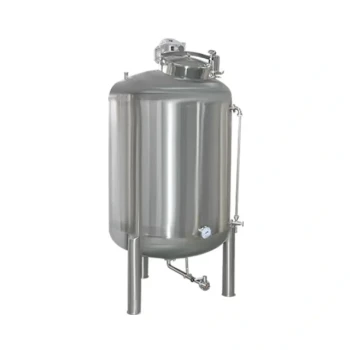
The adoption of 1000-liter large-capacity containers optimizes the supply chain by reducing individual packaging costs. These specialized units are designed for seamless integration with industrial filling lines and mechanical loading equipment.
Rapid Order Fulfillment
Utilizing standardized, high-capacity stainless steel units allows distributors to manage inventory more efficiently. This leads to faster response times and ultra-fast delivery, as the product is already stored in transport-ready, food-safe containers that meet international safety standards.
Understanding the Trade-offs
Initial Investment vs. Lifecycle Value
The primary drawback of stainless steel is its higher initial acquisition cost and greater weight compared to aluminum or plastic. However, its longevity and the prevention of "spoiled batches" provide a significantly higher return on investment for professional distributors.
Maintenance and Cleaning Requirements
While stainless steel is highly resistant, it requires specific cleaning protocols to maintain its passivated surface. Neglecting proper sanitation can lead to localized pitting, though this is rare when using high-quality 316L-grade materials.
Making the Right Choice for Your Goal
As a distributor or wholesaler, your storage choice should align with your specific logistical and quality requirements.
- If your primary focus is premium quality and export compliance: Utilize 316L-grade stainless steel to ensure zero heavy metal migration and total flavor preservation.
- If your primary focus is logistical efficiency and scale: Invest in 1000-liter stainless steel IBCs (Intermediate Bulk Containers) to simplify mechanical handling and reduce packaging waste.
- If your primary focus is long-term inventory holding: Prioritize containers with hermetic seals to prevent moisture-induced fermentation and color darkening over time.
Selecting high-capacity stainless steel is a strategic investment in product purity and supply chain reliability.
Summary Table:
| Feature | Stainless Steel (316L) | Aluminum Containers |
|---|---|---|
| Chemical Reactivity | Inert; resistant to honey acidity | Risk of metal ion leaching |
| Flavor/Odor Integrity | Non-porous; total preservation | Potential metallic taint |
| Durability | High; resists mechanical wear | Lower; prone to denting |
| Sealing Capacity | Hermetic (prevents fermentation) | Variable; less reliable seals |
| Lifecycle Value | High (Long-term ROI) | Lower (Frequent replacement) |
Scale Your Honey Business with HONESTBEE Expertise
At HONESTBEE, we specialize in empowering commercial apiaries and B2B distributors with one-stop sourcing for premium beekeeping infrastructure. Whether you need specialized honey-filling machines, hive-making hardware, or high-capacity storage solutions, our comprehensive wholesale offering ensures your product maintains its market value from hive to bottle.
Why partner with us?
- Full-Spectrum Portfolio: From industrial machinery to essential consumables and cultural merchandise.
- Optimized Logistics: Ultra-fast delivery and efficient fulfillment to keep your supply chain moving.
- Professional Support: Deep industry expertise with rapid response times tailored for wholesalers and resellers.
Ready to enhance your profit margins and ensure food safety compliance? Contact HONESTBEE today for a custom quote!
References
- O.T. Avazxonova R.Q.Jamolov. ASALARIZORDA ASAL TORTISH TEXNOLOGIYASI. DOI: 10.5281/zenodo.8003012
This article is also based on technical information from HonestBee Knowledge Base .
Related Products
- Stainless Steel Honey Storage Tank with Lid for Honey
- Stainless Steel Honey Storage and Settling Tank with Double Strainer
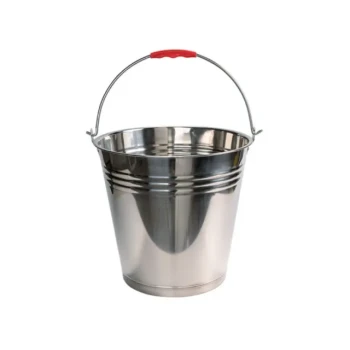
- Premium Stainless Steel Honey Tank Bucket Pail with Reinforced Handle and Polished Finish
- Stainless Steel Honey Tank Stand for Honey Storage
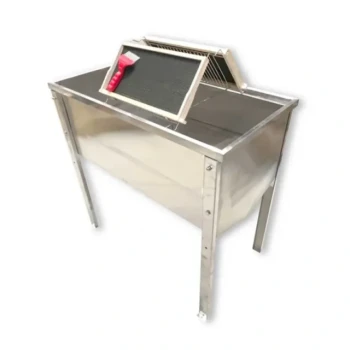
- Heavy Duty Stainless Steel Honey Processing Machine Decrystallizing Tank
People Also Ask
- What economic role do honey storage tanks play? Boost Your Revenue Through Strategic Inventory Management
- What roles do industrial honey storage tanks and filtration meshes play in processing? Ensure Purity & Consistency
- What is the purpose of a honey storage tank? Streamline Your Honey Processing for Quality & Efficiency
- What are honey storage tanks used for? Essential Features for Quality Preservation and Profit
- How do large honey storage tanks and gravity fall filling systems improve honey packaging efficiency and safety?