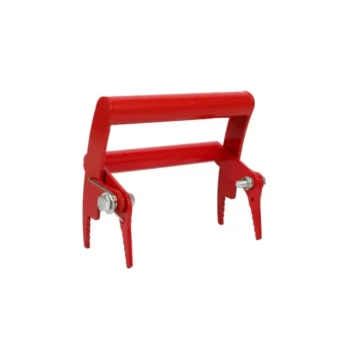
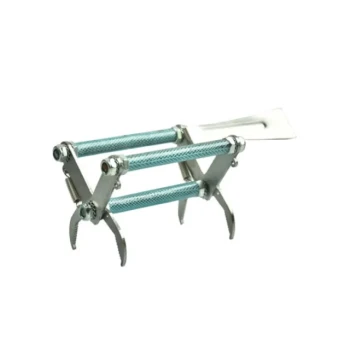
Lifting Cleats function as a critical ergonomic safeguard by fundamentally altering how a beekeeper connects with the load of a hive. Unlike recessed handles that force reliance on fingertip strength, cleats provide a physical ledge that allows for a secure, full-palm grip, which is essential for safely maneuvering supers that can weigh in excess of 30kg.
Standard shallow-groove handles rely on friction and finger strength, which often fail under heavy loads. Lifting Cleats solve this by mechanically locking the hand to the hive, redistributing weight and preventing musculoskeletal injury.
The Ergonomic Challenge of Hive Management
The Limitation of Shallow Grooves
Standard beehive boxes often utilize shallow-groove handles cut directly into the wood.
While aesthetically streamlined, these handles force the operator to rely almost entirely on fingertip pressure to maintain a grip. This creates a weak point in the lifting chain, particularly when the wood is slick or the operator is wearing gloves.
The Weight Threshold
The risks associated with poor grip are amplified by the extreme weight of a productive hive.
Honey supers frequently exceed 30kg (approx. 66 lbs). Attempting to manipulate this amount of dead weight with only fingertip contact places immense strain on the tendons and small muscles of the hand and forearm.
How Lifting Cleats Improve Safety
Enabling Full-Palm Coupling
Lifting Cleats address the grip limitation by adding an external block to the side of the box.
This design allows the operator to curl their fingers completely under the cleat, engaging the full palm. This "positive coupling" ensures the hand is physically hooked onto the load, rather than relying on friction to keep it from slipping.
Distributing Pressure
By engaging the full hand, cleats alter how the weight of the hive is transferred to the body.
The pressure is distributed across the entire surface area of the palm and fingers rather than being concentrated on the fingertips. This distribution significantly reduces the risk of acute musculoskeletal injuries and chronic strain associated with repetitive heavy lifting.
Understanding the Trade-offs
External Profile vs. Flush Design
While cleats offer superior safety, they change the physical profile of the hive equipment.
Unlike shallow grooves, which are flush with the box, cleats protrude outwards. This can slightly complicate the stacking of empty boxes for storage or transport compared to flush-handled equipment.
Installation Requirements
Cleats generally require additional assembly or manufacturing steps compared to routed handles.
They must be securely fastened to withstand the 30kg+ loads they are designed to lift. If a cleat is not installed with the correct fasteners or wood glue, the safety benefits are negated by the risk of mechanical failure.
Making the Right Choice for Your Goal
When configuring your hive equipment, consider the volume of honey you expect to manage.
- If your primary focus is maximum honey production: Install lifting cleats on all honey supers, as the safety benefits for lifting 30kg+ loads far outweigh the bulkier profile.
- If your primary focus is streamlined storage: You may prefer flush handles for brood boxes that are moved less frequently, provided you use proper lifting techniques.
Prioritizing a secure grip is the single most effective way to prolong your ability to work with heavy hives safely.
Summary Table:
| Feature | Shallow-Groove Handles | External Lifting Cleats |
|---|---|---|
| Grip Type | Fingertip pressure (friction-based) | Full-palm coupling (mechanical lock) |
| Weight Capacity | Limited; prone to slipping | High; ideal for 30kg+ honey supers |
| Ergonomic Safety | High risk of tendon/muscle strain | Low risk; distributes pressure evenly |
| Storage Profile | Flush and streamlined | Protruding; requires more space |
| Best Use Case | Lightweight brood boxes | Heavy honey supers & commercial production |
Maximize Your Apiary Productivity with HONESTBEE
Don't let the physical strain of heavy lifting slow down your operations. At HONESTBEE, we specialize in providing commercial apiaries and distributors with professional-grade beekeeping tools, machinery, and equipment designed for safety and efficiency.
Whether you need hive-making machinery to manufacture ergonomic boxes or specialized honey-filling equipment, our comprehensive wholesale portfolio has you covered. From durable hardware to honey-themed cultural merchandise, we deliver the quality you need to grow your business.
Ready to upgrade your equipment? Contact us today to discuss how our wholesale solutions can benefit your apiary!
References
- Deborah I. Fels, Marcus Foth. Ergonomics in apiculture: A case study based on inspecting movable frame hives for healthy bee activities. DOI: 10.1016/j.heliyon.2019.e01973
This article is also based on technical information from HonestBee Knowledge Base .
Related Products
- Professional Grade Foldable Beehive Handles
- Ergonomic Two Person Foldable Hive Lifter
- Premium Comfort Grip Spring-Loaded Hive Handles
- HONESTBEE Professional Long Handled Hive Tool with Precision Cutting Blade
- Professional Multi-Function Stainless Steel Hive Tool
People Also Ask
- How do bee hive handles facilitate the evaluation of food stores? Use the Lift Test for Winter Survival
- How do the geometry and dimensions of hive handles influence operational safety and control? Expert Design Insights
- What is a bee hive tool? Discover Why It’s the Most Essential Hand Tool for Every Beekeeper
- What are the common sizes and features of bee hive tools? Choose the Right Tools for Your Apiary
- What is the role of professional hive tools in routine apiary maintenance? Expert Tips for Hive Health and Longevity