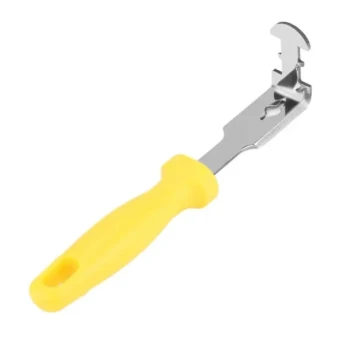
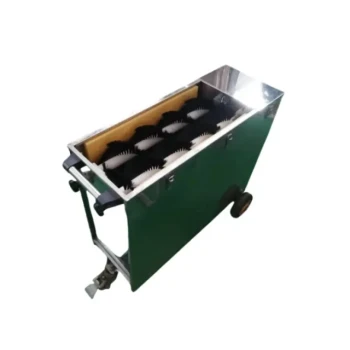
Professional bee colony management tools are the fundamental prerequisite for the commercial production of stingless bee bread because they solve the conflict between extraction efficiency and biological sustainability. Unlike simple honey harvesting, collecting bee bread involves accessing deep-seated nutritional reserves essential for the colony's larvae and queens. Without specialized equipment to surgically extract these resources and monitor colony health, producers risk destroying the fragile nest structure and inducing colony collapse.
The extraction of bee bread presents a dual challenge: harvesting a resource buried deep within the comb while preserving the food source required for the colony's reproduction. Professional tools bridge this gap, allowing for the transformation of raw material into high-value health supplements without sacrificing the long-term viability of the bee population.
Preserving the Colony's Structural Integrity
Preventing Physical Destruction
Stingless bee nests differ significantly from standard honeybee hives; their internal structures are often intricate and fragile. Specialized extraction tools allow beekeepers to harvest materials without destroying the nest's internal architecture. This protects the physical framework the bees rely on for shelter and organization.
Maintaining Reproductive Viability
Bee bread is not merely a surplus product; it is the primary protein source for bee larvae and the queen. Professional management techniques ensure that harvesting is targeted and limited, leaving adequate reserves for the colony. This balance is critical to ensure the continuous rearing of healthy brood and the long-term reproduction of the colony.
Optimizing the Nesting Environment
Advanced wooden beehives are designed to simulate the natural forest nesting spaces of stingless bees. These tools provide superior regulation of temperature and humidity, which reduces stress on the colony. By utilizing trays with adjusted depths and specific wood types, producers can increase settlement rates and survival within artificial housing systems.
Maximizing Product Quality and Economic Value
Accessing Deep-Seated Resources
Bee bread is often stored in the depths of honeycomb cells, making it difficult to reach with standard equipment. Specialized harvesting machinery is necessary to separate the bread from the comb effectively. This ensures a higher yield per hive by accessing resources that manual methods would miss or damage.
Preserving Bioactive Compounds
The economic value of bee bread lies in its nutritional profile, specifically its proteins, vitamins, and antioxidants. Efficient processing equipment—including cleaning, drying, and packaging tools—is critical to preventing the degradation of these bioactive components. Proper handling ensures the final product remains a competitive, high-quality health supplement.
Proactive Health and Risk Management
Early Threat Detection
Commercial production requires safeguarding the "primary productive force"—the bees themselves. Colony health monitoring tools allow producers to assess defense status and detect early signs of predator intrusion or pest infestations. This data enables timely interventions, such as the application of insect-proof grease, before a colony is compromised.
Disease Prevention
To maintain a continuous industrial chain, producers must prevent widespread issues like Colony Collapse Disorder (CCD). Precise application tools for biological agents or health products help protect populations from bacteria, viruses, and parasites. This medical approach to management ensures the workforce remains healthy enough to sustain production levels.
Understanding the Trade-offs
The Risk of Over-Efficiency
While professional tools make extraction easier, they also increase the risk of over-harvesting. Because bee bread is vital for larval development, aggressive extraction enabled by these tools can inadvertently starve the next generation of bees. Management must prioritize biological balance over maximum immediate yield.
Complexity of Species Specificity
There is no "one size fits all" toolset for stingless bees. Different species (e.g., M. ferruginea vs. M. togoensis) have unique biological preferences for nesting environments. Incorrectly calibrated tools or housing specifications can lead to poor colonization rates, requiring producers to invest in species-specific research and equipment adjustments.
Making the Right Choice for Your Goal
To apply these principles effectively, align your tool selection with your specific production objectives:
- If your primary focus is Supplement Potency: Prioritize processing and drying machinery that minimizes heat exposure to preserve antioxidants and proteins.
- If your primary focus is Colony Longevity: Invest heavily in improved wooden hives and monitoring tools to maintain optimal temperature, humidity, and defense against pests.
- If your primary focus is Commercial Scalability: Focus on specialized harvesting tools that separate bee bread from deep cells to maximize yield per hive without destroying the nest structure.
Ultimately, professional tools do not just facilitate harvest; they act as a life-support system that allows the commercial exploitation of a resource the bees cannot survive without.
Summary Table:
| Key Requirement | Tool/Equipment Solution | Primary Benefit |
|---|---|---|
| Structural Preservation | Specialized extraction tools | Protects fragile nest architecture and larvae |
| Resource Access | High-precision harvesting machinery | Extracts deep-seated bee bread without waste |
| Quality Control | Processing, cleaning, and drying tools | Preserves bioactive proteins and antioxidants |
| Colony Longevity | Advanced wooden hives & sensors | Regulates temp/humidity for higher survival rates |
| Health Monitoring | Colony health assessment tools | Enables early detection of pests and diseases |
Scale Your Bee Bread Production with HONESTBEE
Transitioning from hobbyist harvesting to professional commercial production requires more than just bees—it requires a robust infrastructure designed for longevity and yield. HONESTBEE caters to commercial apiaries and distributors with a comprehensive wholesale offering. We supply the full spectrum of beekeeping tools, machinery, and equipment, along with a wide array of essential industry consumables.
From hive-making and honey-filling machines to specialized extraction hardware and honey-themed cultural merchandise, our portfolio covers everything you need to build a sustainable, high-value brand. Let us help you protect your colonies while maximizing your product's nutritional potency.
Contact HONESTBEE Today to Discuss Your Wholesale Needs
References
- Zakiah Uslinawaty, Hendri Hendri. Characteristics of the composition of stingless bee bread with health benefits originating from the Kulisusu Subdistrict, North Buton Regency. DOI: 10.30604/jika.v8i3.2057
This article is also based on technical information from HonestBee Knowledge Base .
Related Products
- Ergonomic Plastic Frame Spacer Tool for Rapid Hive Management Beekeeping
- Stainless Steel Queen Grafting Tool for Beekeeping and Bee Queen Grafting
- Plastic Beetle Blaster Trap Beekeeping Tools and Supplies
- Stainless Steel Pollen Shovel with Wooden Handle
- Professional Stainless Steel Pry-Bar Hive Tool
People Also Ask
- What specific challenges do beekeeping hive tools address during hive maintenance? Essential Solutions for Apiaries
- How do specialized beehive management tools support high-purity honey production? Master Monofloral Isolation
- How do specialized beehive management tools assist in the routine maintenance of bee colonies? Boost Hive Efficiency
- How do spring inspections for honeybee starvation symptoms guide apiary management? Optimize Colony Survival & Growth
- What are the approximate costs of basic beekeeping tools? Start Your Apiary for Under $85