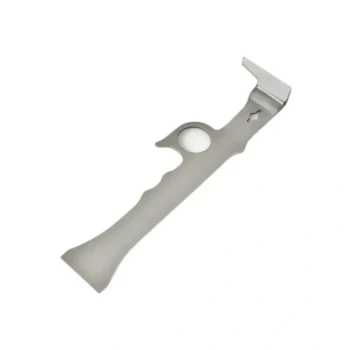
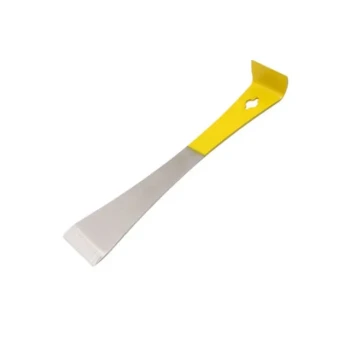
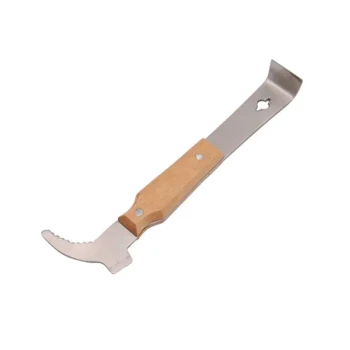
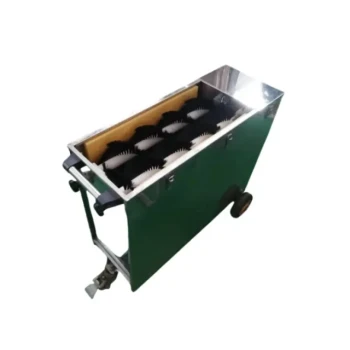
Professional beekeeping tools are critical for managing colonies in these regions because they allow apiarists to navigate the complex physical environment of pine forests without disrupting the delicate ecological balance. In areas dominated by Turkish Red Pine and Cedar, these tools enable the safe inspection and harvesting of dense colonies located deep among needles and branches, where the honeydew production cycle relies on specific sap-sucking insects.
Pine honey production is less about gathering nectar and more about managing a symbiotic relationship between trees, insects, and bees. Specialized equipment ensures this fragile ecosystem remains undisturbed while mitigating the harsh environmental factors of the forest.
Preserving the Ecological Balance
Navigating Dense Vegetation
The physical terrain of Mediterranean and Aegean pine forests presents unique challenges. Hives are often situated among dense pine needles and low-hanging branches.
Professional tools are designed to penetrate this foliage safely. They allow the beekeeper to inspect the hive and harvest honey without physically damaging the host plants that support the colony.
Protecting the Honeydew Source
Unlike floral honey, pine honey production relies on the secretions of sap-sucking insects living on the bark of trees like the Turkish Red Pine.
The production cycle is long and dependent on the health of these insects. Professional tools allow for precision management, ensuring that the harvesting process does not dislodge or harm the sap-sucking insects that generate the honeydew.
Managing Environmental Volatility
Stabilizing Hive Temperatures
Forest climates in these regions are subject to significant fluctuations. To combat this, professional management involves the use of industrial-grade thermal insulation pads.
These tools provide stable temperature control within the hive. By reducing thermal stress, the colony maintains high foraging activity even during extreme weather conditions or long-distance migration.
Defending Against Moisture
The forest environment exposes hives to variable humidity and dampness. Specialized moisture-proof coatings are essential consumables in this context.
These materials protect the structural integrity of the hive and prevent internal moisture buildup. This safeguards the colony's health and ensures the efficiency of nectar and honeydew collection remains consistent.
Understanding the Trade-offs
Investment vs. Long-Term Viability
Utilizing professional-grade tools and specialized protective materials increases the initial operational cost.
Standard equipment may be cheaper, but it lacks the precision required to protect the sap-sucking insects and the insulation needed for forest climates. While the upfront investment is higher, the trade-off is necessary to prevent colony collapse and preserve the local ecosystem.
Making the Right Choice for Your Goal
To successfully manage colonies in pine forest regions, select equipment based on your specific operational focus:
- If your primary focus is Ecological Preservation: Prioritize precision tools that allow for hive manipulation without disturbing the pine branches or the sap-sucking insects residing on them.
- If your primary focus is Colony Productivity: Invest heavily in thermal insulation pads and moisture-proof coatings to maximize foraging efficiency during climate fluctuations.
By aligning your equipment with the specific demands of the pine forest ecosystem, you safeguard both your colonies and the unique production cycle of pine honey.
Summary Table:
| Feature | Necessity in Pine Forests | Key Benefit |
|---|---|---|
| Precision Hive Tools | Navigating dense pine needles and branches | Prevents damage to host trees and sap-sucking insects |
| Thermal Insulation Pads | Stabilizing temperatures in forest climates | Reduces colony stress and maintains foraging activity |
| Moisture-Proof Coatings | Combating high forest humidity and dampness | Protects hive structural integrity and colony health |
| Specialized Machinery | Managing long-distance migratory demands | Ensures efficiency in large-scale pine honey production |
Elevate Your Pine Honey Production with HONESTBEE
Managing commercial apiaries in the complex Mediterranean and Aegean ecosystems requires more than just standard gear—it requires industrial-grade precision. HONESTBEE specializes in supporting commercial apiaries and distributors with a comprehensive wholesale range of beekeeping tools and machinery. From thermal insulation pads and moisture-proof coatings to advanced honey-filling machines and specialized hardware, we provide the essential consumables needed to protect your colonies and maximize yields.
Partner with HONESTBEE to secure your ecological and commercial success. Contact us today for professional-grade solutions tailored to your beekeeping business!
References
- Sabri Ünal, Esra Nurten Yer. SOME FOREST TREES FOR HONEYDEW HONEY PRODUCTION IN TURKEY. DOI: 10.15372/sjfs20170409
This article is also based on technical information from HonestBee Knowledge Base .
Related Products
- HONESTBEE 15-in-1 Beekeeper Multi-Tool with Hammer and Pliers for Beekeeping
- Stainless Steel J Hook Hive Tool for Beekeeping
- HONESTBEE Advanced Ergonomic Stainless Steel Hive Tool for Beekeeping
- Stainless Steel Queen Grafting Tool for Beekeeping and Bee Queen Grafting
- Ergonomic Plastic Frame Spacer Tool for Rapid Hive Management Beekeeping
People Also Ask
- What is the recommended method for storing beekeeping tools? Expert Vertical Storage Solutions for Your Apiary
- How does a favorable microclimate interact with beekeeping tools? Boost Overwintering Success and Equipment Longevity
- Why is the treatment of beekeeping tools with high-concentration chemical disinfectants necessary for preventing AFB?
- Why design beekeeping tools with ergonomics in mind? Empowering All Beekeepers with Inclusive Equipment
- How do specialized beekeeping tools and high-specification protective equipment assist in colony health management?