Professional beekeeping toolsets are the bridge between crude intervention and scientific stewardship. They provide the mechanical precision necessary to conduct scientific hive inspections and maintenance without inflicting physical harm on the colony, thereby ensuring the stable population sizes required to sustain the complex pollination networks of an agroforestry ecosystem.
The Core Connection: Professional equipment transforms beekeeping from a passive activity into a controlled environmental service. By minimizing stress on the colony and preventing feral swarming, these tools ensure honeybees act as efficient pollinators for crops rather than invasive competitors that threaten native biodiversity.
Precision Management and Colony Health
To understand why tools impact biodiversity, one must first look at the health of the colony itself.
Scientific Inspection Capabilities
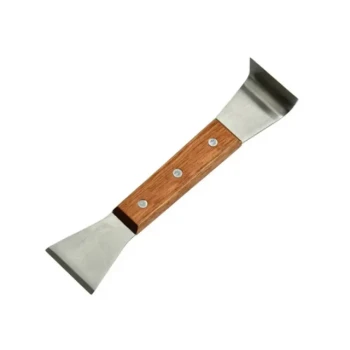
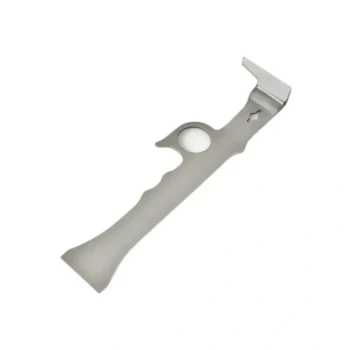
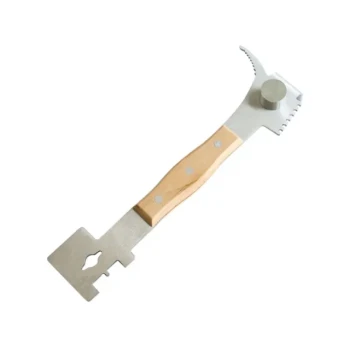
Professional gear, such as specialized protective wear and hive tools, allows apiarists to perform scientific inspections.
Without this protection and precision, inspections are often rushed or avoided, leading to unchecked disease or queen failure.
Minimizing Physical Harm
Crude or improvised tools often crush bees or damage the hive structure during harvest and maintenance.
Refined management equipment minimizes this trauma, maintaining a stable colony size. A stress-free, populous colony is the foundational unit required for consistent interaction with the surrounding ecosystem.
The Link to Plant Genetics
The primary ecological benefit of using professional tools is the downstream effect on plant life.
Efficient Pollination Services
Stable, scientifically managed colonies provide a continuous and reliable supply of pollination services.
This reliability ensures that various crops within the agroforestry system receive the visits they need to fruit and reproduce.
Supporting Genetic Diversity
By facilitating consistent pollination, professional management supports the overall plant genetic diversity of the system.
Robust pollination ensures viable seed sets across different plant species, preventing the genetic bottlenecks that occur when pollination is sporadic or insufficient.
Mitigating Invasive Risks
A critical aspect of biodiversity is balancing managed species with wild, native species.
Controlling Apis mellifera Populations
Western honeybees can be invasive if left unchecked. Professional hive systems provide the technical means to keep these populations contained and controlled.
Preventing Feral Competition
High-efficiency tools allow for precise management that reduces the risk of bee escapes and the formation of feral populations.
This is vital for protecting native solitary bees. By keeping honeybees within designated, scientifically designed habitats, the destructive impact of non-native bees on local pollination systems is minimized.
Understanding the Trade-offs
While professional tools are essential for management, they are not a silver bullet for ecosystem health.
The Risk of Over-Efficiency
High-efficiency tools make it easy to scale up colony density rapidly.
If an area is overstocked with managed hives, even healthy honeybees can outcompete native pollinators for limited resources, regardless of how well the hives are maintained.
Equipment vs. Expertise
Tools provide the infrastructure for protection, but they do not replace knowledge.
Possessing professional hardware without the accompanying understanding of scientific management principles can still lead to colony collapse or swarming, negating the biodiversity benefits.
Making the Right Choice for Your Goal
When selecting beekeeping equipment for an agroforestry project, your specific objectives should dictate your approach.
- If your primary focus is Agricultural Yield: Prioritize tools that facilitate frequent health monitoring to ensure maximum colony strength for peak pollination windows.
- If your primary focus is Ecosystem Restoration: Select hive systems designed for strict containment to prevent swarms from competing with vulnerable native bee populations.
True biodiversity stewardship requires using professional tools not just to harvest honey, but to rigorously manage the ecological footprint of your apiary.
Summary Table:
| Feature | Impact on Biodiversity | Ecological Benefit |
|---|---|---|
| Scientific Inspection Tools | Enables early disease detection & queen monitoring | Maintains stable pollinator populations |
| Precision Hive Equipment | Minimizes colony stress and physical trauma | Ensures consistent pollination services |
| Population Control Systems | Prevents feral swarming and colony escapes | Protects native solitary bees from competition |
| Optimized Hive Hardware | Supports robust plant reproduction | Enhances plant genetic diversity & seed sets |
Elevate Your Biodiversity Stewardship with HONESTBEE
At HONESTBEE, we understand that professional beekeeping is a vital environmental service. We provide commercial apiaries and distributors with high-precision beekeeping tools, specialized hive-making machinery, and industrial-grade consumables designed for scientific colony management.
Whether you are scaling an agricultural pollination contract or managing a sensitive agroforestry restoration project, our comprehensive wholesale portfolio offers the reliability you need to minimize invasive risks and maximize ecosystem health. From honey-filling machines to honey-themed cultural merchandise, we equip you to lead the industry.
Ready to scale your apiary with professional-grade solutions?
Contact HONESTBEE Today to explore our wholesale equipment and specialized machinery.
References
- Tarekegn Deresse Beyene, Tariku Bachano Batayo. Review on Diversity and Socio-Economic Contribution of Home Garden Agroforestryin Ethiopia. DOI: 10.7176/jnsr/12-7-04
This article is also based on technical information from HonestBee Knowledge Base .
Related Products
- Professional Dual-End Stainless Steel Hive Tool for Beekeeping
- Professional 600D Oxford Cloth Beekeeping Tool Bag with 8 Pockets and Elastic Loops
- HONESTBEE Professional Mini J-Hook Hive Tool for Beekeeping
- HONESTBEE 15-in-1 Beekeeper Multi-Tool with Hammer and Pliers for Beekeeping
- Double Head Beekeeping Grafting Tools for Beekeepers
People Also Ask
- What specific challenges do beekeeping hive tools address during hive maintenance? Essential Solutions for Apiaries
- Why are professional hive tools considered indispensable? Master Beekeeping Maintenance with Precision Leverage
- What is the role of professional hive tools in routine apiary maintenance? Expert Tips for Hive Health and Longevity
- What role do professional beehives and beekeeping tools play in honey prosumption? Scale yield & commercial success.
- What are the primary functions of a stainless steel hive tool? Essential Equipment for Professional Beekeeping