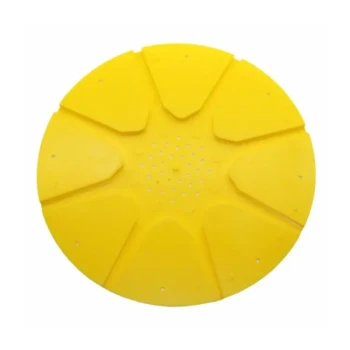
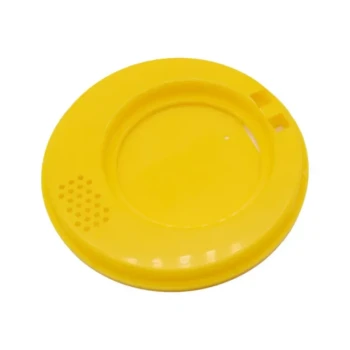
Professional Trapping and Protection Systems serve as the critical defensive infrastructure required to maintain the stability of modern apiaries. These systems function by deploying specific attractants to capture invasive predators, such as the Vespa velutina (Asian giant hornet), while simultaneously utilizing physical barriers to block access paths. By eliminating threats at the perimeter, these tools prevent the catastrophic population collapse often triggered by unchecked external predation.
By mitigating external disturbances, these systems do more than simply reduce bee mortality; they secure the biological assets of an operation by preventing colony stress and the escape behaviors that lead to total hive abandonment.
Operational Mechanics of Defensive Perimeters
Active Elimination Through Attractants
The primary layer of defense involves the use of specific attractants. These chemical or food-based lures draw predators away from the hive entrance and into trapping mechanisms.
This proactive approach is essential for high-threat predators like the Asian giant hornet. By capturing these aggressors before they can initiate an attack, the system reduces the immediate biological pressure on the colony.
Passive Defense via Physical Barriers
Beyond trapping, physical protection equipment creates a tangible shield around the colony. These barriers effectively block the access paths utilized by terrestrial predators such as ants and opportunistic predatory birds.
By physically denying entry, these systems minimize external disturbances. This reduction in harassment is crucial for maintaining the internal temperature and organizational structure of the hive.
The Function of Hive Muzzles
A specific component of physical defense is the hive muzzle, a mechanical consumable installed directly at the hive entrance. It creates a protective buffer zone without requiring an external power source.
The mechanical principle here is twofold: it alters the flight paths of the honeybees to make them harder to catch, while simultaneously restricting the direct strike range of hovering predators.
Preserving Biological Assets and Vitality
Mitigating Colony Stress
The most dangerous aspect of predation is often not the number of bees killed, but the chronic stress inflicted on the colony. Constant defensive posturing drains the colony's energy reserves.
Professional protection systems alleviate this pressure. By keeping predators at bay, the colony avoids the "siege mentality" that halts reproduction and honey production.
Ensuring Foraging Continuity
When predators like hornets loiter near the entrance, worker bees often cease foraging to defend the hive. This creates a resource deficit that can starve the colony.
Defensive systems, particularly hive muzzles, reduce the disruption of foraging activities. They allow worker bees to exit and enter safely, ensuring the continuous flow of nectar and pollen required for survival.
Preventing Hive Abandonment
Extreme predation pressure triggers escape behaviors, leading to hive abandonment. Once a colony absconds, the biological asset is effectively lost.
By reducing predation pressure, protection systems maintain the colony's sense of security. This stability is vital for preventing loss and ensuring the continuity of beekeeping production.
Understanding the Trade-offs
Maintenance of Consumables
While passive, these systems are not "set and forget." Attractants degrade over time and must be replenished to remain effective against specific targets like the Asian hornet.
Specificity of Defense
Physical barriers are often specialized. A hive muzzle designed to deter hornets may not effectively stop smaller pests like ants, necessitating a multi-layered approach using different types of physical equipment.
Strategic Implementation for Apiary Security
To effectively safeguard your colonies, you must match the defensive tool to the specific environmental threat.
- If your primary focus is combatting Asian Giant Hornets: Prioritize active trapping systems with specific attractants and install hive muzzles to restrict the predator's strike range.
- If your primary focus is preventing general disturbance: Implement physical barriers to block access paths for opportunistic predators like ants and birds to minimize colony stress.
Integrating these professional systems converts a vulnerable apiary into a fortified operation, ensuring that biological assets remain productive and secure.
Summary Table:
| Defense Layer | Mechanism | Primary Benefit |
|---|---|---|
| Active Trapping | Specific attractants & lures | Eliminates high-threat predators like hornets before they attack. |
| Physical Barriers | Blocked access paths & shields | Denies entry to terrestrial pests (ants) and predatory birds. |
| Hive Muzzles | Mechanical buffer zones | Prevents 'siege mentality' and protects foraging honeybee flight paths. |
| Stress Mitigation | Reduced predation pressure | Maintains hive stability, honey production, and prevents abandonment. |
Fortify Your Apiary with HONESTBEE Professional Solutions
Protect your biological assets and maximize honey yield with industry-leading defensive infrastructure. HONESTBEE specializes in catering to commercial apiaries and distributors, providing a robust wholesale catalog of beekeeping tools, specialized hardware, and essential consumables.
From advanced hive-making and honey-filling machinery to specialized hive muzzles and predator attractants, we offer the comprehensive equipment needed to defend your operations against invasive threats. Partner with us to ensure your colonies remain productive and secure.
Ready to upgrade your protection systems? Contact us today for wholesale inquiries and expert support.
References
- Feliu López‐i‐Gelats, Marta G. Rivera‐Ferre. Effect of farm size on vulnerability in beekeeping: Insights from mediterranean Spain. DOI: 10.1007/s13280-024-02099-0
This article is also based on technical information from HonestBee Knowledge Base .
Related Products
- HONESTBEE Collapsible Tiered Bee Swarm Catcher for Beekeeping
- Efficient Hive Clearing: HONESTBEE 8-Way Plastic Bee Escape
- HONESTBEE Entrance Bee Feeder Professional Hive Nutrition Solution for Beekeeping
- Inner Beehive Cover for Beekeeping Bee Hive Inner Cover
- HONESTBEE Professional Hive Top Bee Feeder Feeding Solution
People Also Ask
- What should be done if the swarm is situated on the bottom of a tree limb? A Guide to Methodical Bee Capture
- What role do swarm catchers play in maintaining the production scale of an apiary? Turn Colony Loss into Growth.
- What role does a Swarm Catcher play in the process of expanding apiary colony scale? Optimize Growth & Reduce Costs
- What information should be gathered before attempting to catch a swarm of bees? A Safe and Successful Guide
- What precautions can be taken to prevent a newly captured swarm from absconding? Secure Your Swarm with Proven Methods