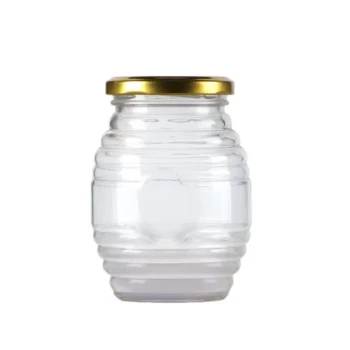
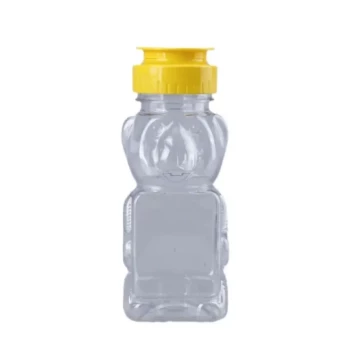
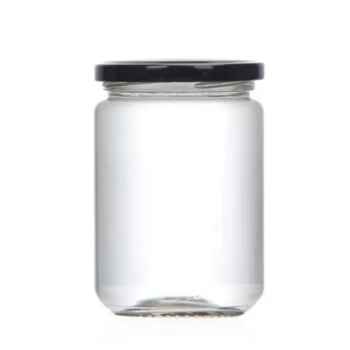
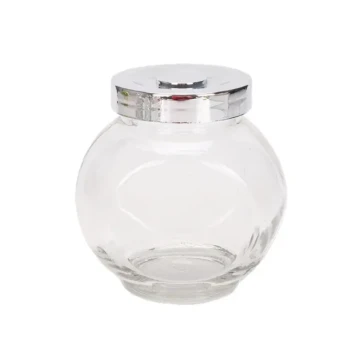
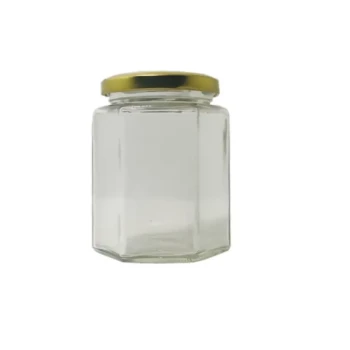
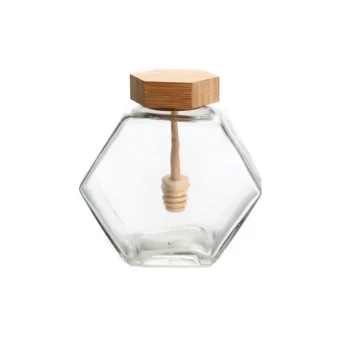
Sealed containers are the industry standard for honeybee collection because they serve the dual purpose of physical containment and biological preservation. By utilizing a sealed environment, you prevent the accidental escape of specimens during transit while simultaneously isolating them from external pollutants that could skew laboratory results.
Core Insight: The integrity of a toxicological test is defined during transport. Sealed containers are not just about keeping bees in; they are about keeping environmental variables out, ensuring that the biological activity measured in the lab reflects the original sampling site, not the conditions of the transport vehicle.
Ensuring Data Integrity for Toxicology
The requirement for sealed containers goes beyond simple logistics. It is a scientific control measure designed to stabilize the sample before it ever reaches the bench.
Preventing Sample Loss and Contamination
The most immediate function of a sealed container is to prevent the accidental escape of honeybees during the transfer from the apiary to the laboratory.
However, equally important is the protection against external pollutants. In toxicological testing, the introduction of foreign chemicals (such as vehicle exhaust or airborne particulate matter) can result in false positives or altered physiological states. Sealed containers act as a barrier, ensuring the chemical profile of the bee remains unchanged during transport.
Stabilizing the Micro-Environment
Honeybees are highly sensitive to environmental fluctuations. A sealed container helps maintain a stable micro-environment around the samples.
By buffering the samples against rapid changes in humidity and airflow, the container minimizes stress reactions. Stress can alter the metabolic and biological activity of the bees, which acts as a confounding variable in toxicological studies. Keeping this environment stable ensures the bees remain in a baseline state relevant to the study.
Preserving Biological Activity
The ultimate goal of using sealed transport is to ensure the biological activity of the honeybees is preserved until testing begins.
If bees are subjected to external stressors or contaminants, their enzymatic and physiological responses may shift. Sealed transport protocols are designed to deliver a sample that is biologically representative of the colony in the field, rather than a sample that has been physiologically altered by the trauma of transport.
Understanding the Trade-offs
While sealed containers are essential for preventing contamination and escape, they present specific challenges that must be managed to maintain sample vitality.
The Balance Between Isolation and Vitality
There is a critical distinction between "sealed" (chemically isolated) and "suffocating." While the primary goal is to prevent the ingress of pollutants and the egress of bees, the bees must remain alive for certain types of testing.
If the transport duration is long, the lack of airflow in a fully airtight container can induce hypoxia or hypercapnia (excess CO2), which are themselves stressors. For specific applications requiring high-quality RNA preservation, protocols sometimes favor ventilated containers combined with food sources to maintain vitality, as high mortality rates can degrade viral RNA.
Therefore, "sealed" in a toxicological context often implies a container that prevents escape and chemical cross-contamination, but the specific type of seal must align with the duration of transport and the specific biological markers being tested.
Making the Right Choice for Your Goal
The "perfect" container configuration depends heavily on whether your lab is looking for chemical toxins or biological viruses.
- If your primary focus is Toxicological Testing: Prioritize strictly sealed containers to prevent external chemical pollutants from contaminating the sample and to minimize environmental stress variables.
- If your primary focus is Viral RNA/Gene Expression: Prioritize vitality and survival, potentially requiring containers with ventilation and sugar feed to prevent RNA degradation caused by bee death.
Summary: You seal the container to ensure that the variable you measure in the lab is the variable that existed in the hive, unaffected by the journey in between.
Summary Table:
| Feature | Toxicological Testing Focus | Viral RNA/Gene Expression Focus |
|---|---|---|
| Primary Goal | Chemical isolation & purity | High vitality & RNA preservation |
| Container Type | Strictly sealed / Airtight | Ventilated with food source |
| Key Risk | External chemical pollutants | Sample degradation from mortality |
| Environment | Stable micro-environment | Airflow to prevent hypoxia |
Elevate Your Apiary Operations with HONESTBEE
Maintaining sample integrity is just one part of a successful beekeeping enterprise. At HONESTBEE, we empower commercial apiaries and distributors by providing a comprehensive wholesale range of professional-grade beekeeping tools. From industrial honey-filling and hive-making machinery to essential consumables and honey-themed cultural merchandise, we deliver the quality you need to scale your business.
Ready to upgrade your equipment or stock your distribution line?
Contact us today to explore our full spectrum of beekeeping solutions!
References
- Saadia Iqbal, Noman Ali Buttar. Exploring the synergistic toxicity of synthetic pesticides and their impact on development and behavior of Honeybee (Apis mellifera L.). DOI: 10.3897/ejfa.2024.122884
This article is also based on technical information from HonestBee Knowledge Base .
Related Products
- Classic Glass Honey Jar with Metal Lug Cap for Beehive Storage
- Langstroth Honey Bee Box Hive Boxes for Different Depths
- Food Grade Plastic Honey Bucket Pail for Beekeeping
- Classic Honey Bear Jars with Flip Top Dispensing Cap for Liquid Sweeteners
- Plastic Transporting Bee Packages and Nuc Boxes for Beekeeping
People Also Ask
- What are the benefits of glass jars regarding strength and safety for storing honey? Ensure Purity and Long-Term Quality
- What are the advantages of using glass jars for honey storage? Ensure Purity and Premium Appeal for Your Product
- What are the benefits of using high-transparency Glass Jars for honey? Elevate Purity and Premium Branding
- What is the aesthetic appeal of using glass jars for honey? Elevate Your Brand with Premium Packaging
- Which container is best for storing honey? Preserve Purity & Flavor with the Right Choice