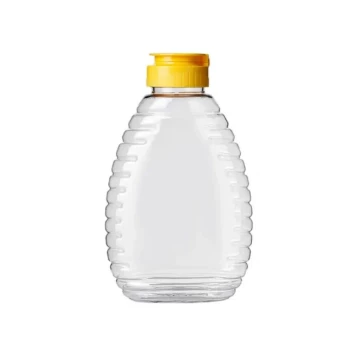
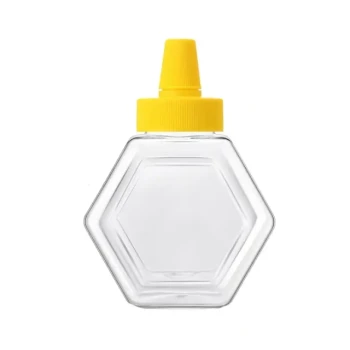
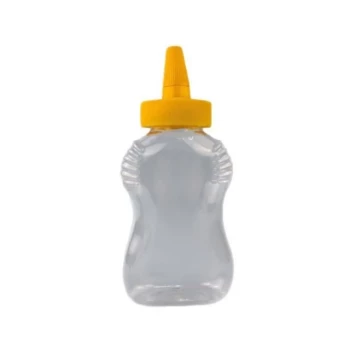
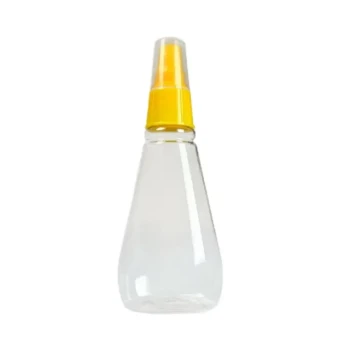
Sealed plastic bottles are essential for isolating honey samples from external air and moisture during collection and transport. They effectively prevent the absorption of atmospheric humidity, which causes fermentation and spoilage, while ensuring that pollen composition and physical properties remain stable for laboratory analysis.
The Core Takeaway Honey is highly hygroscopic, meaning it actively pulls moisture from the air—a risk that is amplified during humid summer months. The primary role of a sealed plastic bottle is to create a hermetic barrier that locks in the sample's original chemical and biological state, preventing fermentation and ensuring the accuracy of subsequent microscopic and physicochemical testing.
The Critical Function of Moisture Control
Counteracting Hygroscopic Absorption
Honey has a natural tendency to absorb moisture from the surrounding environment. If left exposed to air, the water content in the honey rises.
Sealed containers cut off this exchange immediately upon collection. This is vital because an increase in moisture content dilutes the honey and fundamentally alters the sample data regarding concentration.
Preventing Fermentation and Spoilage
The primary risk of increased moisture is fermentation. Naturally occurring yeasts in honey become active when water content rises.
By utilizing sealed plastic bottles, you prevent the conditions necessary for these yeasts to thrive. This preservation prevents spoilage, ensuring the sample arriving at the lab reflects the sample taken from the apiary.
Preserving Analytical Integrity
Maintaining Pollen Composition
For researchers utilizing honey for botanical origin identification, the physical state of the sample is paramount.
The primary reference indicates that sealed isolation ensures the pollen composition remains stable. This stability provides a reliable basis for precise microscopic identification, which is impossible if the sample has degraded or crystallized continuously due to exposure.
Stabilizing Biochemical Markers
Honey contains sensitive components, including amino acids and enzymes.
External fluctuations can degrade these markers. Sealed packaging creates a consistent internal environment, preserving the "sanitary status" and enzymatic activity required for accurate quantitative analysis.
Why Polyethylene is the Material of Choice
High Chemical Inertness
Not all plastics are suitable for sampling; however, polyethylene is specifically utilized for its chemical inertness.
It does not react with the honey, nor does it leach chemicals into the sample. This ensures that the physicochemical indicators measured in the lab are inherent to the honey, not artifacts of the packaging reaction.
Effective Barrier Against Contamination
Field collection is a chaotic environment compared to a lab.
Plastic bottles provide a robust, sterilized environment that prevents secondary contamination. They block the ingress of external microorganisms (molds and yeasts) and foreign odors, which protects the honey’s natural aroma and flavor profile.
Understanding the Trade-offs
Plastic vs. Glass Considerations
While polyethylene plastic is standard for collection due to its durability and sealing properties, it is important to recognize the hierarchy of materials.
High-cleanliness glass is technically superior regarding absolute chemical inertness, particularly for weak acids found in honey. Glass eliminates any risk of material interaction over very long storage periods.
However, for the specific purpose of collection and temporary storage (transport), plastic is often preferred. It eliminates the risk of breakage in the field while still providing the necessary moisture barrier and inertness required for standard analysis.
Making the Right Choice for Your Goal
To ensure your data is valid, select your containment strategy based on your analytical priorities:
- If your primary focus is microscopic pollen analysis: Prioritize the seal quality above all else to prevent physical changes or fermentation that could obscure pollen grains.
- If your primary focus is field durability and transport: Use polyethylene bottles, as they offer the necessary chemical inertness without the breakage risks associated with glass.
The integrity of your laboratory results is decided the moment the sample is sealed in the field.
Summary Table:
| Feature | Benefit for Honey Sampling | Why It Matters in Summer |
|---|---|---|
| Hygroscopic Shield | Prevents moisture absorption from air | Prevents dilution and fermentation in high humidity |
| Airtight Seal | Maintains chemical/biological state | Ensures accurate lab analysis and stable pollen data |
| Material Inertness | No chemical leaching (Polyethylene) | Protects physicochemical indicators from contamination |
| Field Durability | Shatterproof compared to glass | Safe and reliable transport from remote apiary sites |
Elevate Your Honey Production with Professional Equipment
At HONESTBEE, we understand that the integrity of your honey—from field sampling to final packaging—defines your brand's success. We cater to commercial apiaries and global distributors, providing a comprehensive wholesale ecosystem designed for scale and precision.
Our Value to You:
- Industrial Machinery: Advanced honey-filling and hive-making machines to streamline your operations.
- High-Quality Tools: A full spectrum of beekeeping hardware and essential industry consumables.
- Market Differentiation: Unique honey-themed cultural merchandise to enhance your retail presence.
Whether you are expanding a commercial apiary or sourcing bulk supplies for distribution, our team is ready to support your growth with reliable, professional-grade solutions.
Contact HONESTBEE Today to Secure Your Wholesale Supply
References
- Vibhasa Shukla, Kottapalli Sreenivasa Rao. Pollen analysis of summer honeys from Prayagraj District, Uttar Pradesh, India. DOI: 10.35535/acpa-2021-0002
This article is also based on technical information from HonestBee Knowledge Base .
Related Products
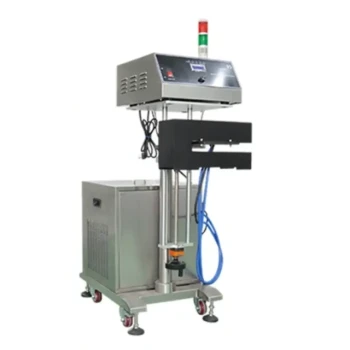
- Professional Water Cooled Induction Sealing Machine for Bottles and Containers
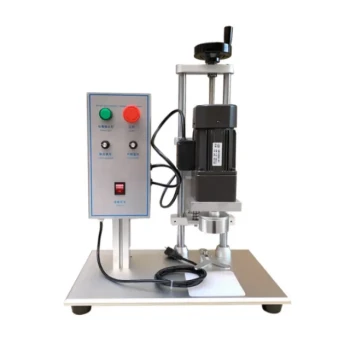
- Semi Automatic Electric Bottle Capping Machine
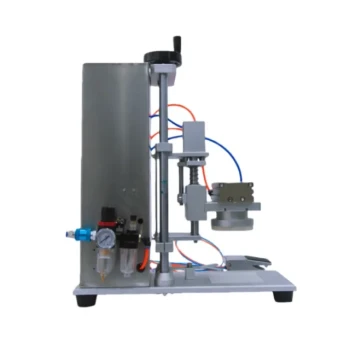
- HONESTBEE Professional Benchtop Pneumatic Bottle Capping Machine Capper
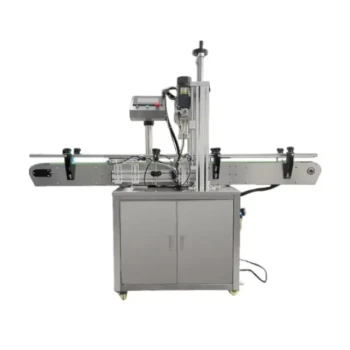
- Automatic Inline Spindle Bottle Capping Machine for Honey Production
- Classic Beehive Honey Bottle Jar with Squeeze Dispenser Lid
People Also Ask
- How does tamper-evident sealing equipment benefit the honey trade? Ensure Product Integrity and Market Trust
- What is the function of an induction sealing machine in packaging? Secure Your Brand with Tamper-Evident Seals
- How does an induction sealing machine work? Enhance Honey Packaging with Hermetic Seals & Tamper Evidence
- What is an induction sealing machine and how does it work? Achieve Airtight, Tamper-Evident Seals
- How does the induction sealing process work? Create Tamper-Evident, Airtight Seals for Your Products