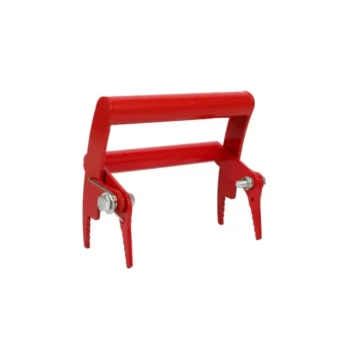
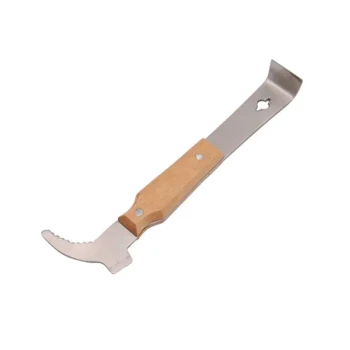
Specialized climbing and collection tools are essential for ensuring the sustainability of wild bee populations and the integrity of forest ecosystems. Unlike crude extraction methods, these professional instruments allow technicians to access natural tree-hole hives and harvest honey without destroying the colony's habitat. This approach transforms beekeeping from a resource-depleting activity into a practice of stewardship.
Core Takeaway: By enabling non-destructive access to high canopies, specialized tools reconcile the need for economic gain with ecological preservation. They allow for the harvesting of high-value honey while leaving the wild habitat intact, ensuring long-term biodiversity and product purity.
Preserving Ecological Balance
The primary function of specialized tools in forest beekeeping is to protect the environment where the bees live.
Non-Destructive Harvesting
Traditional methods often involve damaging the tree or the hive structure to access honey. Professional climbing gear allows technicians to reach high canopies safely and perform surgical extractions. This leaves the natural tree-hole hives intact, allowing the colony to regenerate quickly.
Supporting Biodiversity
Maintaining wild habitats is critical for the survival of indigenous bee species. By using tools that minimize physical disturbance, beekeepers protect the ecological balance of the forest. This ensures that the bees continue their vital role as pollinators within the ecosystem.
Ensuring Organic Standards and Purity
Beyond conservation, specialized tools are the gateway to high-value, organic markets.
Physical Pest Control
To transition to organic apiculture, producers must eliminate chemical dependency. Specialized ecological tools facilitate physical pest and disease control, effectively replacing prohibited synthetic substances. This allows for rigorous hive health management without compromising organic integrity.
Eliminating Contamination Risks
The entire workflow, from tree to jar, must be free from synthetic chemical contact. Dedicated collection and processing equipment ensure a controlled physical environment. This adherence to strict hygiene standards enables producers to meet tightening environmental regulations and achieve higher market premiums.
Understanding the Trade-offs
While specialized tools offer significant ecological and economic benefits, they introduce new operational challenges.
Increased Skill Requirements
Using professional climbing and extraction gear requires a higher level of technical competency. Operators are no longer just beekeepers; they must be trained as technicians capable of safe arboreal maneuvering. This necessitates an investment in training and safety protocols.
Higher Initial Complexity
Moving away from simple gathering to a system of "precision management" requires a comprehensive technical setup. This includes maintaining protective gear, extractors, and manual tools. It shifts the operation from a low-overhead activity to a standardized production system, which demands more rigorous maintenance and oversight.
Making the Right Choice for Your Goal
The necessity of these tools depends on your specific objectives within the apiculture sector.
- If your primary focus is Ecological Conservation: Prioritize climbing tools that allow for non-invasive access to tree-hole hives to protect wild bee populations.
- If your primary focus is Market Value: Invest in specialized collection and processing tools that ensure a chemical-free workflow to qualify for organic certification premiums.
Adopting these specialized tools is the definitive step required to modernize traditional practices, turning forest beekeeping into a sustainable, high-yield profession.
Summary Table:
| Feature | Traditional Methods | Specialized Professional Tools |
|---|---|---|
| Habitat Impact | Destructive; often harms tree/hive | Non-destructive; surgical extraction |
| Bee Welfare | High colony stress & displacement | Low stress; promotes colony regeneration |
| Product Purity | High risk of contamination | Chemical-free workflow; organic standard |
| Harvest Method | Crude resource extraction | Precision stewardship and management |
| Skill Level | Minimal training required | High technical & safety competency |
Elevate Your Beekeeping Operation with HONESTBEE
At HONESTBEE, we understand the unique demands of commercial apiaries and distributors seeking sustainable, high-yield solutions. We provide the industry's most comprehensive range of beekeeping tools, specialized machinery, and essential consumables—from precision hive-making equipment to advanced honey-filling systems.
Whether you are scaling a commercial forest beekeeping project or stocking premium hardware for global distribution, our portfolio of high-performance equipment and honey-themed cultural merchandise ensures you meet the highest organic and ecological standards. Partner with the experts to optimize your productivity.
Contact HONESTBEE Today to Discuss Your Wholesale Needs
References
- Aigul Akhmadiyeva, Guzel A. Musina. Beekeeping as a guarantee of the country's food security and biodiversity conservation. DOI: 10.47598/2078-9025-2023-3-60-29-35
This article is also based on technical information from HonestBee Knowledge Base .
Related Products
- Stainless Steel J Hook Hive Tool for Beekeeping
- HONESTBEE Classic Pry Bar Hive Tool with High Visibility Finish for Beekeeping
- Multi-Function Plier-Style Frame Grip Hive Tool
- HONESTBEE Professional Mini J-Hook Hive Tool for Beekeeping
- Durable Galvanized Steel Frame Grip
People Also Ask
- What specific challenges do beekeeping hive tools address during hive maintenance? Essential Solutions for Apiaries
- What are the features of a J-hook hive tool? Effortlessly Lift Frames with Superior Leverage
- What is a J-hook hive tool and why is it favored by some beekeepers? Master Gentle Frame Handling
- What is the purpose of the J-hook hive tool? Effortlessly Lift Frames with Superior Leverage
- How is a J-hook hive tool designed and what is its primary use? Master Effortless Hive Inspections