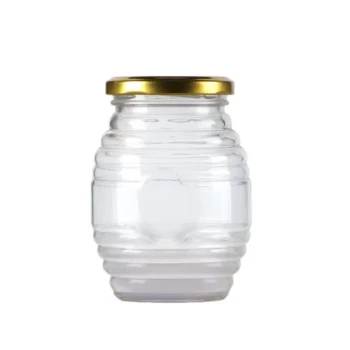
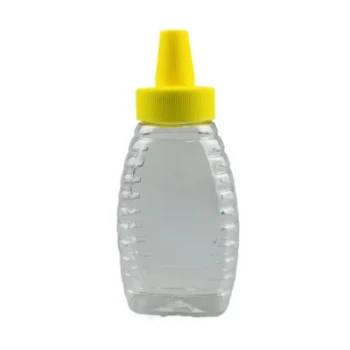
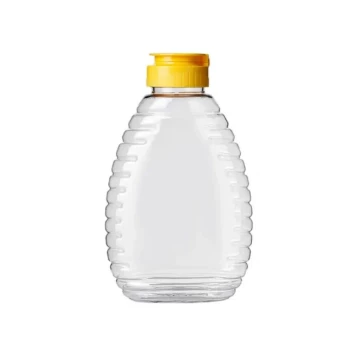
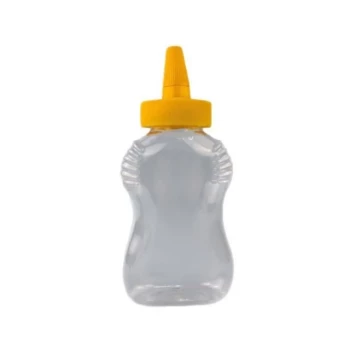
Specialized glass bottles are preferred for beverages containing bee products primarily due to their exceptional chemical inertness and thermal stability. This material provides a sterile environment that withstands the thermal shock of high-temperature filling without degrading. Furthermore, glass acts as a superior barrier against oxygen and moisture, preventing the oxidation of sensitive antioxidants like Vitamin C and ensuring the active substances in the beverage do not react with the container.
Glass offers a unique combination of sterility and impermeability that protects bioactive ingredients from environmental degradation. By isolating the product from external moisture, oxygen, and chemical leaching, specialized glass packaging preserves the medicinal and nutritional integrity of bee products, significantly extending their shelf life.
Preserving Chemical Integrity and Potency
Chemical Inertness
The defining advantage of specialized glass is that it is chemically non-reactive. Unlike certain plastics or metals, glass ensures that the active substances found in honey, fruit juices, or other bee derivatives do not react with the packaging wall. This neutrality is essential for maintaining the original chemical composition of the beverage.
Thermal Stability and Sterility
Beverage processing often requires high temperatures to ensure safety. Specialized glass bottles are engineered to withstand thermal shock, allowing them to endure high-temperature filling processes without cracking. This capability supports a sterile packaging environment, which is critical for preventing contamination in bioactive products.
Preventing Oxidation
Bee products often contain volatile compounds and antioxidants, such as Vitamin C, which degrade quickly upon exposure to air. Glass provides a superior gas barrier, blocking the entry of oxygen. This preservation of the anaerobic environment prevents oxidation, keeping the nutritional profile of the product intact for a longer duration.
Environmental Shielding
Moisture Control
External moisture can alter the viscosity and stability of bee products. High-transparency glass jars and bottles provide an impermeable seal that blocks external humidity. This barrier property is vital for preventing spoilage and maintaining the specific consistency required for high-quality bee products.
Protection from Light Radiation
Certain bee products, such as bee venom, contain enzymes and peptides that are highly sensitive to ultraviolet (UV) radiation. For these specific ingredients, amber glass bottles are utilized. These specialized containers shield the contents from light radiation, preventing the degradation of active components even during long-term storage.
Consumer Confidence and Marketability
Visual Quality Assessment
For products like honey, transparency is a functional feature, not just an aesthetic one. Clear glass allows consumers to visually inspect the color, viscosity, and uniformity of the liquid. This immediate visual feedback allows for a preliminary quality assessment before purchase, building trust in the product's purity.
Standardization and Hygiene
Using standardized, small-capacity glass bottles helps prevent secondary contamination during the packaging process. From a commercial standpoint, this specific packaging format signals a "medicinal" or premium food grade status. It facilitates entry into modern retail channels by aligning with professional branding standards expected for high-value health products.
Understanding the Trade-offs
Weight and Durability
While glass offers superior chemical protection, it is heavier and more fragile than alternative materials. This increases logistical costs and requires careful handling during distribution to prevent breakage, particularly for larger shipments.
Light Exposure vs. Visibility
There is a functional conflict between marketing and preservation. Clear glass maximizes consumer trust by displaying the product but offers zero protection against UV light. Conversely, amber glass offers maximum chemical protection for light-sensitive ingredients (like venom enzymes) but hides the visual appeal of the product from the consumer.
Making the Right Choice for Your Goal
To select the correct glass packaging, you must weigh the specific sensitivity of your ingredients against your marketing needs.
- If your primary focus is preserving antioxidants (like Vitamin C): Prioritize glass with high thermal stability and sealing capabilities to prevent oxygen ingress and oxidation.
- If your primary focus is light-sensitive ingredients (like Bee Venom): You must use amber or opaque glass to prevent UV radiation from degrading enzymes and peptides.
- If your primary focus is consumer trust and retail appeal: Utilize high-transparency glass to showcase the product's color and viscosity, provided the ingredients are not UV-sensitive.
Ultimately, specialized glass is the industry standard because it treats the packaging not just as a container, but as a protective component of the product itself, ensuring the bioactive properties remain effective from the filling line to the consumer.
Summary Table:
| Feature | Key Benefit | Ideal Application |
|---|---|---|
| Chemical Inertness | Prevents reactions with active ingredients | Honey and fruit juice blends |
| Thermal Stability | Withstands high-temp filling & sterilization | Sterile beverage processing |
| Oxygen Barrier | Prevents oxidation of antioxidants like Vit C | Shelf-stable health drinks |
| Amber Glass | Blocks UV radiation and protects enzymes | Bee venom & sensitive peptides |
| Transparency | Enables visual quality and purity checks | Premium retail honey products |
Elevate Your Production with HONESTBEE
Ready to scale your bee product business? HONESTBEE caters specifically to commercial apiaries and distributors with a comprehensive wholesale offering. We provide the full spectrum of industry-leading beekeeping tools, specialized machinery—including honey-filling and hive-making machines—and essential consumables.
Our mission is to help you maintain the medicinal and nutritional integrity of your products from the hive to the consumer. Whether you need high-performance hardware or honey-themed cultural merchandise, we deliver the quality you need to succeed in the modern market.
Contact our wholesale experts today to explore our full catalog!
References
- Laura Natalia Niño Daza. Producción de bebidas naturales adicionadas con productos apícolas de alta influencia en el sistema inmunológico humano. DOI: 10.23850/24628034.2688
This article is also based on technical information from HonestBee Knowledge Base .
Related Products
- Classic Glass Honey Jar with Metal Lug Cap for Beehive Storage
- Classic Beehive Honey Bottle Jar with Squeeze Dispenser Lid
- Squeezable No-Drip Beehive-Shaped Honey Jars with Flip-Top Cap
- Automatic Honey Filling and Filtering Machine for Beekeeping Bottle Filling
- Rapid Bee Feeder White Plastic 2L Round Top Feeder for 8 or 10-Frame Bee Hives
People Also Ask
- What are the benefits of glass jars regarding strength and safety for storing honey? Ensure Purity and Long-Term Quality
- What are the advantages of using glass jars for honey storage? Ensure Purity and Premium Appeal for Your Product
- What are the benefits of using high-transparency Glass Jars for honey? Elevate Purity and Premium Branding
- What is the aesthetic appeal of using glass jars for honey? Elevate Your Brand with Premium Packaging
- Which container is best for storing honey? Preserve Purity & Flavor with the Right Choice