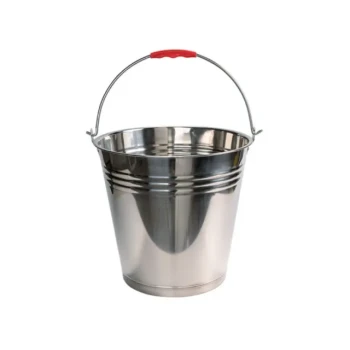
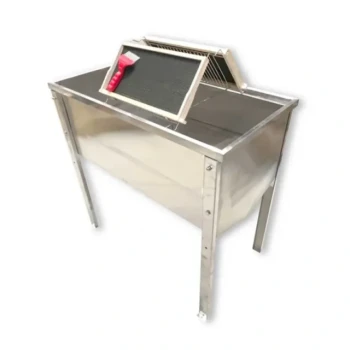
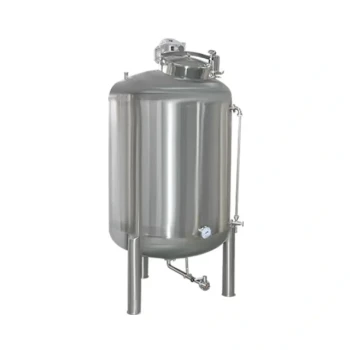
Specialized honey processing containers and packaging equipment serve as the critical infrastructure that bridges the gap between raw agricultural extraction and a viable commercial product. By utilizing hygienic containers for filtration and storage, producers effectively reduce impurities caused by manual handling and prevent the chemical degradation associated with oxidation. This hardware ensures the product retains its natural integrity while meeting the standardized requirements necessary for retail profitability.
Core Takeaway The transition from low-value bulk honey to premium retail goods relies entirely on professional processing and packaging infrastructure. These systems provide the airtight sealing and precise measurement required to prevent oxidation, ensure regulatory compliance, and deliver the aesthetic consistency demanded by high-value international markets.
Protecting the Product: The Foundation of Value
preventing Contamination and Oxidation
The primary value of specialized equipment lies in its ability to maintain the honey's chemical stability. Hygienic processing containers are essential during the extraction and storage phases to protect the honey from external contaminants.
By minimizing manual handling, these containers significantly reduce the introduction of impurities. Furthermore, professional storage solutions are designed to be airtight, preventing oxidation, which is a primary cause of flavor degradation and darkening in raw honey.
Controlling Moisture and Fermentation
High-quality packaging acts as a critical barrier against environmental factors. Professional packaging containers provide an effective seal that excludes air and humidity.
This is vital because honey is hygroscopic; it naturally absorbs moisture from the air. Without a proper seal, honey can absorb enough moisture to trigger fermentation, rendering the product unsellable. Proper equipment ensures the physical and chemical stability of the honey during long-distance transport and storage.
Enhancing Sensory Quality through Filtration
Industrial filtration equipment utilizes multi-layered mesh or professional filter media to refine the raw product. This process removes wax residue, bee debris, and mechanical impurities.
While this improves the visual clarity and sensory quality of the honey, it serves a functional purpose as well. Removing these impurities helps prevent abnormal crystallization, ensuring the texture remains consistent with consumer expectations for premium products.
Transitioning from Commodity to Brand
Precision and Standardization
To compete in modern supermarkets or export markets, products must meet strict consistency standards. Automated filling machines utilize precise metering controls to ensure every unit contains the exact weight and volume advertised.
This precision transforms variable raw agricultural honey into a standardized commercial commodity. It ensures compliance with international weights and measures regulations, which is a prerequisite for entering wholesale trade and global supply chains.
Shelf Appeal and Differentiation
The packaging equipment does more than protect; it communicates value. Advanced labeling systems allow producers to differentiate their brand through aesthetic designs, varying container shapes, and professional finish.
These systems also apply essential traceability information, origin details, and nutritional data. This level of professional presentation is often the deciding factor in consumer purchasing decisions, allowing producers to command a price premium over generic or bulk options.
Understanding the Trade-offs
Balancing Automation with Scale
While professional equipment drives value, it requires significant capital investment. For smaller operations, the cost of fully automated industrial lines may outweigh the immediate returns from local sales.
The Risk of Over-Processing
There is a delicate balance between filtration and quality. While filtration improves clarity and shelf life, excessive processing or heating (often part of industrial dehydration) can strip honey of beneficial enzymes and pollen. Producers must select equipment that enhances stability without compromising the "raw" qualities that many premium consumers demand.
Making the Right Choice for Your Goal
To maximize market value, align your equipment investment with your target market's specific requirements.
- If your primary focus is local or artisanal markets: Prioritize high-quality filtration and hygienic storage containers to ensure food safety and clarity while maintaining a "raw" product profile.
- If your primary focus is international export or mass retail: Invest in automated filling, dehydration, and labeling machinery to ensure strict weight compliance, moisture control, and shelf stability.
- If your primary focus is brand differentiation: Focus on advanced packaging systems that support unique container shapes and high-quality labeling to secure premium pricing in competitive urban markets.
Investing in the right processing and packaging infrastructure is not merely an operational cost; it is the only way to guarantee the longevity, safety, and profitability of the final product.
Summary Table:
| Feature | Key Benefit to Product | Impact on Market Value |
|---|---|---|
| Hygienic Containers | Prevents oxidation & contamination | Maintains raw integrity & premium taste |
| Industrial Filtration | Removes wax & debris | Enhances clarity & prevents crystallization |
| Automated Filling | Precision weight & volume control | Ensures regulatory compliance for export |
| Advanced Labeling | Brand differentiation & traceability | Commands higher price & consumer trust |
| Airtight Sealing | Moisture & fermentation control | Extends shelf life for global distribution |
Scale Your Bee Product Business with HONESTBEE
Transitioning from bulk honey to a premium global brand requires the right infrastructure. HONESTBEE specializes in empowering commercial apiaries and distributors with the high-performance tools needed to succeed.
We provide a comprehensive wholesale catalog, including:
- Advanced Machinery: Precise honey-filling machines and industrial hive-making equipment.
- Processing Tools: High-grade filtration systems and hygienic storage solutions.
- Industry Consumables: A wide array of essential supplies and honey-themed cultural merchandise.
Whether you are looking to optimize your production line or source reliable equipment for distribution, our team is ready to support your growth. Contact HONESTBEE today to discover how our specialized solutions can enhance your efficiency and market competitiveness.
References
- Kehinde Adesina Thomas, Sidi Y. Tounkara. Apiculture and Poverty Reduction Nexus: Evidence From Rural Households in Sikasso Region of Mali. DOI: 10.1080/0005772x.2019.1692416
This article is also based on technical information from HonestBee Knowledge Base .
Related Products
- Double Nozzle Small Honey Filling Machine Honey Sachet Packing Packaging Equipment
- Small Honey Filling Machine Sachet Packing Equipment Single Nozzle
- Fully Automatic Honey Filling Packaging Machine for Processing Line
- Economy Small Honey Filling Machine Honey Bottle Filler Packaging Machine
- Automatic Single-Dose Snap & Squeeze Honey Sachets Packing Machine
People Also Ask
- How does industrial honey-filling machinery support Robinia pseudoacacia stands? Maximize Your Acacia Honey Yield
- What value do retail packaging equipment and filling technologies provide in the honey distribution process? Maximize ROI
- What is honey filling equipment used for? Optimize Your Bottling with Precision Automation
- Why is high-precision honey filling equipment necessary? Secure the medicinal value and ROI of stingless bee honey.
- What role does precision filling equipment play in cost control? Maximize Honey Profits & Market Growth