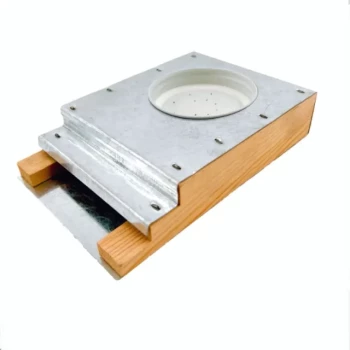
Supplemental feeding equipment serves as a critical buffer against environmental volatility, ensuring colony survival when natural resources fail. By delivering essential nutrition during periods of drought or floral scarcity, these tools prevent population collapse and maintain the biological momentum necessary for a productive apiary.
The Core Reality Integrating efficient feeding equipment with a proper nutritional strategy effectively mitigates colony losses caused by climate fluctuations. This approach does not merely prevent starvation; it preserves the colony's size and vitality, ensuring the apiary maintains continuous productivity even when external conditions are unfavorable.
Bridging the Resource Gap
Countering Floral Scarcity
Environmental instability, such as severe drought or unseasonal climate fluctuations, often leads to a rapid decline in natural nectar and pollen sources.
Without intervention, this lack of forage creates a nutritional deficit that threatens the colony immediately. Supplemental feeders allow the beekeeper to provide essential carbohydrates and proteins precisely when nature cannot.
Ensuring Nutritional Continuity
Consistent access to nutrition is vital for colony health.
Specialized feeders dispense sugar syrup or pollen substitutes to bridge the gap during non-harvest seasons. This continuity prevents the physical degradation of the colony that occurs due to starvation.
Biological Stability During Stress
Maintaining the Queen's Output
The productivity of a colony is directly tied to its population size.
Nutritional supplement feeds provided via equipment help maintain the queen’s egg-laying rate. If nutrition drops, egg production slows, leading to a population crash that makes the colony unviable for future honey flows.
Preventing Colony Absconding
In times of extreme resource scarcity, honey bee populations are prone to absconding, or abandoning the nest entirely to seek better conditions.
Regular feeding through established equipment anchors the colony to the apiary. By mitigating the stress of low resources, you significantly reduce the rate of colony loss due to abandonment.
Operational Trade-offs and Strategy
Equipment is Only Part of the Solution
While feeders are necessary hardware, they are ineffective without a corresponding nutritional strategy.
Simply installing equipment is insufficient; the beekeeper must calculate the correct balance of carbohydrates and proteins based on the specific environmental deficit. Mismanagement here can lead to wasted resources without achieving colony stability.
The Risk of Timing
Supplemental feeding is specifically designed for non-harvest seasons or emergency scarcity.
Reliance on feeding during natural honey flows can disrupt the colony's natural foraging behaviors or contaminate harvestable honey. The equipment must be utilized as a strategic intervention tool, not a permanent replacement for natural forage.
Making the Right Choice for Your Goals
To maintain a robust apiary, you must match your feeding strategy to your immediate objectives.
- If your primary focus is Survival: Prioritize high-carbohydrate syrup delivery during droughts to prevent starvation and stop the colony from absconding.
- If your primary focus is Future Productivity: Ensure a balance of pollen substitutes (protein) to maintain the queen's egg-laying rates, guaranteeing a strong workforce for the upcoming honey flow.
By treating supplemental feeding as a mandatory component of infrastructure rather than an optional task, you insulate your apiary from the chaos of a changing climate.
Summary Table:
| Strategic Factor | Impact on Colony | Primary Equipment Benefit |
|---|---|---|
| Floral Scarcity | Nutritional deficit and starvation | Provides essential carbs and proteins when forage fails |
| Queen Productivity | Reduced egg-laying and population crash | Maintains consistent brood rearing through nutrient delivery |
| Resource Stress | Colony absconding (abandoning hive) | Anchors the colony to the apiary by reducing resource stress |
| Climate Volatility | Biological momentum loss | Acts as a buffer to ensure continuity between honey flows |
Scale Your Apiary Operations with HONESTBEE Professional Solutions
In an era of environmental instability, having the right infrastructure is the difference between a thriving apiary and a total loss. HONESTBEE specializes in supporting commercial apiaries and distributors with a robust selection of professional-grade beekeeping tools, specialized hardware, and essential industry consumables.
From advanced hive-making and honey-filling machines to durable supplemental feeding systems, we provide the full spectrum of equipment needed to maintain colony vitality and operational efficiency. Partner with us to ensure your business—and your bees—remain productive regardless of the season.
Ready to upgrade your wholesale supply? Contact HONESTBEE Today
References
- Rodrigo Chaves-Ladino, Claudia Nelcy Jiménez Hernández. Analysis of Productivity and Competitiveness in Beekeeping: A Case Study of Cundinamarca, Colombia. DOI: 10.26668/businessreview/2023.v8i10.3328
This article is also based on technical information from HonestBee Knowledge Base .
Related Products
- HONESTBEE Entrance Bee Feeder Efficient Hive Front Liquid Feeding Solution for Beekeeping
- 3.5L Plastic Beehive Frame Feeder Deep Frame Water Feeder for In Hive Use
- Rapid Bee Feeder White Plastic 2L Round Top Feeder for 8 or 10-Frame Bee Hives
- HONESTBEE Professional Hive Top Bee Feeder Feeding Solution
- Classic Boardman Entrance Bee Feeder Hive Front Feeding Solution
People Also Ask
- What types of bee feeders are available for beginners? Start with the Simple Entrance Feeder
- What are the advantages and disadvantages of using an entrance feeder for bees? Balance Convenience and Hive Security.
- What is a bee entrance feeder and what are its drawbacks? Essential Guide to Hive Security and Feeding Efficiency
- How does a bee entrance feeder work? A Simple Guide to Convenient Hive Feeding
- How to make an entrance feeder for bees? A DIY Guide for Safe & Effective Feeding