Biosecurity regulations mandate movable frame hives because they are the only equipment that allows for complete, non-destructive disease inspection.
Traditional fixed-comb hives create a structure where the bees cement the combs to the hive walls, making it impossible to remove them for examination without destroying the nest. Regulations require the transition to movable frames so that inspectors and beekeepers can visually verify the health of every comb, identifying contagious diseases before they spread to neighboring apiaries.
The critical distinction is visibility: movable frames allow for the granular examination of brood health necessary to identify early signs of disease, whereas fixed-comb hives hide infections until the colony collapses or contaminates others.
The Biosecurity Imperative
The "Black Box" Problem
Traditional hives, often constructed from tree trunks or bamboo, function as "black boxes" regarding colony health. Because the combs are fixed to the structure, the interior cannot be accessed without causing significant damage or totally destroying the colony.
This structural limitation prevents the routine monitoring required by modern biosecurity standards. If a colony in a fixed-comb hive becomes diseased, it often goes undetected until the infection is advanced and highly contagious.
Visual Identification of Symptoms
The primary biological reason for these regulations is the need to detect specific indicators of disease. Beekeepers must be able to lift individual frames to inspect the brood pattern and larvae health directly.
Crucially, this access allows for the identification of discolored larvae, sticky residues, or sunken cappings. These are the hallmark symptoms of severe conditions like foulbrood, which can easily devastate an entire region if not caught early.
Preventing Cross-Infection
The goal of the regulation is not just to save a single hive, but to protect the wider ecosystem. Many bee diseases, particularly those involving spores, are highly transmissible.
By mandating equipment that supports traceability and inspection, authorities ensure that outbreaks can be contained at the source. This prevents the "drift" of infected bees or the robbing of weak, diseased colonies by healthy ones, which serves as a primary vector for cross-infection between apiaries.
Operational Impacts and Efficiency
Non-Destructive Harvesting
Beyond compliance, the shift to movable frames fundamentally changes how honey is harvested. In fixed-comb systems, harvesting often requires cutting out the comb, which destroys the brood nest and kills members of the colony.
Movable frames allow for centrifugal extraction, where honey is spun out of the comb without damaging the structure. This preserves the colony's labor force and maintains the integrity of the nest during harvest.
Energy Conservation and Yield
A major biological advantage of preserving the comb is energy efficiency. Bees consume significant amounts of honey to produce the wax needed to build combs.
When frames are returned to the hive intact after extraction, bees can redirect their energy from wax secretion to honey production. This shift can increase annual yields from a traditional range of 5–8kg to approximately 25.5kg, significantly optimizing production efficiency.
Understanding the Trade-offs
Complexity vs. Simplicity
While movable frame hives are superior for biosecurity and yield, they introduce higher complexity compared to traditional methods. Fixed-comb hives are often simpler to construct and require less ongoing manipulation, making them historically popular in subsistence scenarios.
Management Requirements
Adopting movable frame hives transforms beekeeping from a passive activity into an active management discipline. It requires the beekeeper to perform regular internal inspections and grading management.
Failure to actively manage a movable frame hive negates its benefits. Without regular inspections, the equipment provides no biosecurity advantage over a log hive, yet incurs a higher financial cost.
Making the Right Choice for Your Goal
Whether you are hobbyist or a commercial producer, aligning your equipment with regulatory standards is essential for long-term viability.
- If your primary focus is Disease Control & Compliance: Adopt movable frame hives immediately to enable the visual inspection of brood patterns and identifying foulbrood symptoms required by law.
- If your primary focus is Honey Production: Utilize movable frames to preserve drawn comb, allowing bees to focus energy on nectar gathering rather than wax secretion, effectively tripling potential yields.
Switching to movable frames is not just a regulatory hurdle; it is the fundamental step toward converting a bee colony from a wild variable into a manageable, sustainable asset.
Summary Table:
| Feature | Traditional Fixed-Comb Hives | Modern Movable Frame Hives |
|---|---|---|
| Inspection Capability | Impossible (Destructive) | Full & Non-Destructive |
| Biosecurity Compliance | Generally Non-compliant | Fully Compliant |
| Disease Detection | Hidden until colony collapse | Early detection of larvae health |
| Harvesting Method | Cutting/Crushing comb | Centrifugal extraction |
| Average Annual Yield | 5 – 8kg | ~25.5kg |
| Colony Preservation | High mortality during harvest | Maintains nest integrity |
Scale Your Apiary with Professional-Grade Equipment
Transitioning to movable frame hives is the essential step for meeting biosecurity standards and maximizing commercial output. At HONESTBEE, we empower commercial apiaries and global distributors with high-performance beekeeping solutions designed for efficiency and compliance.
From precision hive-making and honey-filling machinery to a full spectrum of beekeeping tools and essential consumables, our wholesale offering provides everything you need to manage a sustainable, high-yield operation. Whether you are looking to upgrade your hardware or source specialized honey-themed cultural merchandise, our team is ready to support your growth.
Ready to optimize your production and secure your apiary's health?
References
- Eleanor Andrews. ‘The main objection to numerous small bee keepers’: biosecurity and the professionalization of beekeeping. DOI: 10.1016/j.jhg.2019.10.015
This article is also based on technical information from HonestBee Knowledge Base .
Related Products
- Professional Grade Foldable Beehive Handles
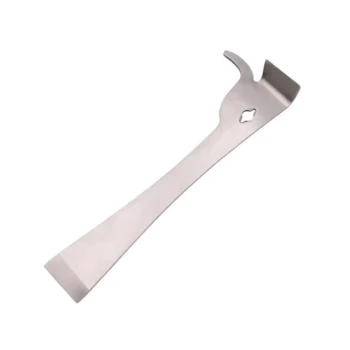
- Professional Multi-Function Stainless Steel Hive Tool
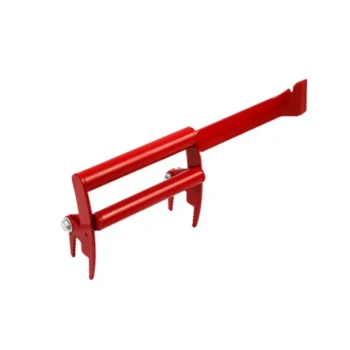
- Heavy-Duty Lever-Action Frame Grip with Hive Tool
- Wooden Bee Hive Frames for Beekeeping and Wholesale
- Plastic Bee Frame Beekeeping Hive Frames for Wholesale
People Also Ask
- How do bee hive handles facilitate the evaluation of food stores? Use the Lift Test for Winter Survival
- How do the geometry and dimensions of hive handles influence operational safety and control? Expert Design Insights
- What is a bee hive tool? Discover Why It’s the Most Essential Hand Tool for Every Beekeeper
- What are the common sizes and features of bee hive tools? Choose the Right Tools for Your Apiary
- What is the role of professional hive tools in routine apiary maintenance? Expert Tips for Hive Health and Longevity