Pesticide residues in comb wax impair larval development because beeswax accumulates and slowly redistributes lipid-soluble chemicals throughout the brood environment. Larvae can receive prolonged, sublethal exposure through contaminated food and contact with the comb, and their slow growth extends the period when they are vulnerable to Varroa destructor and other stressors. Routine frame replacement with clean foundation, supported by standardized hive-making equipment, reduces this cumulative exposure and helps colonies maintain stronger brood production and recovery capacity.
Old comb functions as a long-term chemical reservoir. Replacing high-residue frames with clean, properly prepared comb interrupts that exposure cycle, supports normal brood development, and strengthens the colony’s ability to withstand parasites, pathogens, and environmental stress.
Why Contaminated Comb Affects Larvae
Beeswax Concentrates Lipid-Soluble Chemicals
Many agricultural pesticides and in-hive miticides, including compounds such as fluvalinate and coumaphos, dissolve readily in beeswax. Unlike water-soluble substances, these chemicals can remain embedded in comb and accumulate through repeated hive treatments and environmental exposure.
A frame therefore becomes more than a structural component. Over time, it can act as a persistent chemical reservoir within the brood nest.
Larvae Experience Extended Exposure
Honey bee larvae do not defecate until the end of their larval stage. This physiology can prolong internal exposure to ingested contaminants compared with organisms that eliminate waste continuously.
Residues can also migrate between comb, food stores, nurse bees, and adjacent frames. Contaminated wax may therefore expose larvae through both their diet and their immediate brood environment.
Sublethal Exposure Slows Growth
The relevant risk is not limited to acute poisoning or adult worker mortality. Sublethal pesticide exposure can slow larval growth at concentrations far below adult worker LD50 values.
Slower development reduces the rate at which new workers emerge and leaves larvae exposed to parasites and disease pressures for longer. The result can be weaker population replacement and reduced colony expansion.
How Residue Buildup Weakens Colony Resilience
Brood Delays Reduce Population Recovery
A resilient colony must continuously replace aging workers and respond quickly to forage changes, weather stress, pests, and disease. Delayed larval development interrupts that replacement cycle.
When brood production and emergence slow, the colony has fewer workers available for nursing, foraging, temperature regulation, and defense.
Chemical Stress Adds to Biological Stress
Residues in aged comb may occur as chemical mixtures rather than isolated compounds. This background exposure can compound other pressures, including Varroa infestation, nutritional shortages, pathogens, and poor weather.
Clean comb does not eliminate these threats, but it removes one persistent source of avoidable stress from the brood nest.
Queen Development Also Requires Protection
High-residue wax can affect queen rearing and queen-cell hatching success. Protecting queen larvae and maintaining cleaner brood conditions therefore supports both immediate brood health and the colony’s longer-term reproductive performance.
Why Routine Frame Replacement Helps
Fresh Comb Reduces the Chemical Reservoir
Removing older frames lowers the total amount of pesticide residue present in the hive. Installing clean wax foundation gives the colony a lower-contamination substrate on which to build new comb.
This is a preventive management measure. It reduces repeated exposure instead of relying only on treatment after brood problems become visible.
Standardized Equipment Makes Renewal Practical
Hive-making equipment, frame supplies, and comb-foundation tools allow commercial operators to produce and install replacement frames consistently. Standardization improves dimensional accuracy, workflow speed, and compatibility across apiaries.
For distributors and B2B resellers, a complete equipment portfolio is valuable because customers can source frames, foundation, assembly tools, and related replacement supplies through one coordinated channel.
Scheduled Cycling Controls Accumulation
A routine replacement protocol prevents frames from remaining in service indefinitely. Systematic cycling is more reliable than replacing comb only after it becomes visibly dark, damaged, or associated with poor brood performance.
The protocol should also include clear handling and storage practices so clean foundation is not recontaminated by old comb, pollen, brood debris, or unsuitable storage chemicals.
Benefits Beyond Pesticide Reduction
Lower Pathogen and Pest Pressure
Old comb can accumulate pathogens, debris, and pest residues in addition to pesticides. Removing it supports nest renewal and reduces conditions that favor problems such as American Foulbrood and wax moth damage.
Clean storage is equally important. Stored comb and foundation should be kept free of brood and pollen debris, with appropriate pest-control measures that do not contaminate beeswax.
More Reliable Colony Health Assessment
A cleaner comb environment makes colony observations easier to interpret. Brood performance, queen quality, and Varroa resistance are less likely to be obscured by chronic chemical stress from the hive structure.
This helps beekeepers make better breeding, treatment, and replacement decisions based on the colony’s actual traits and condition.
More Consistent Commercial Output
Healthier brood development supports more predictable workforce growth, pollination capacity, honey production, and colony availability. For commercial apiaries, frame renewal is therefore both a biological safeguard and an operational planning practice.
Reliable access to correctly sized foundation, frames, and hive-making equipment helps reduce procurement delays during critical replacement windows.
Understanding the Trade-offs
Replacement Requires Labor and Inventory
Frame renewal consumes foundation, frame components, assembly time, storage space, and transport capacity. Large operations must balance replacement frequency with labor availability and seasonal production demands.
The cost should be evaluated against the risk of prolonged residue exposure, weakened brood production, higher disease pressure, and inconsistent colony performance.
New Comb Is Not Automatically Clean
Fresh-looking comb is not necessarily residue-free. Foundation quality, wax sourcing, processing controls, and contact with previously contaminated equipment all affect the final exposure level.
Suppliers should provide dependable product specifications and responsive technical support, while beekeepers should maintain traceable sourcing and avoid blending questionable wax into new foundation.
Avoid Contaminating Stored Wax
Beeswax readily absorbs chemicals. Para-dichlorobenzene crystals and similar products can contaminate stored honey and wax, making them unsuitable for routine comb storage.
Stored supers should be clean, cool, well ventilated, and protected with appropriate non-contaminating methods, such as freezing where operationally feasible.
How to Apply This to Your Apiary
A practical renewal program connects biological objectives with dependable equipment supply and disciplined inventory control.
- If your primary focus is brood health: Prioritize scheduled removal of older brood-nest frames and replace them with clean foundation assembled using standardized frame and hive-making equipment.
- If your primary focus is colony resilience: Treat comb renewal as one part of integrated management alongside Varroa monitoring, nutrition, disease prevention, and queen-quality assessment.
- If your primary focus is commercial productivity: Maintain a planned inventory of compatible frames, foundation, and assembly tools so replacement work can proceed during the correct seasonal window.
- If your primary focus is B2B supply reliability: Work with suppliers that combine a full-spectrum product portfolio, rapid response, technical expertise, and efficient order fulfillment.
- If your primary focus is wax quality: Separate new and old wax streams, track sources, and prevent stored comb from contacting residues or chemical storage treatments.
Routine comb renewal gives colonies a cleaner developmental environment and gives beekeepers a practical way to build resilience into everyday hive management.
Summary Table:
| Factor | Impact on Larvae | Benefit of Routine Frame Replacement |
|---|---|---|
| Beeswax chemical reservoir | Lipid-soluble pesticides accumulate over time | Clean foundation reduces exposure levels |
| Extended larval exposure | Larvae ingest and contact contaminated comb | Fresh comb interrupts exposure cycle |
| Sublethal effects | Slower growth and lower emergence rates | Supports normal brood development |
| Combined stresses | Chemical and biological stressors compound | Removes one avoidable stressor |
| Queen health | Toxic wax can impair queen rearing | Cleaner environment protects queen larvae |
| Pathogens and pests | Old comb harbors AFB and wax moth debris | Renewal reduces pest and pathogen loads |
| Commercial consistency | Delayed brood leads to workforce gaps | Planned renewal ensures predictable output |
Reinforce your apiary’s resilience with routine frame replacement. At HONESTBEE, we supply commercial beekeepers and distributors with the full spectrum of hive-making equipment, foundation, and replacement frames—enabling standardized comb renewal that reduces pesticide load and supports healthy brood development. Our one-stop sourcing, fast response, dedicated service, and efficient fulfillment ensure you have the right tools when your colonies need them. For B2B partners, we offer OEM/ODM support, quality certifications, and reliable supply to protect your margins. Contact us today to optimize your frame replacement program and strengthen your colonies.
Related Products
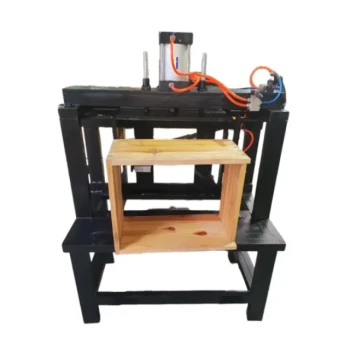
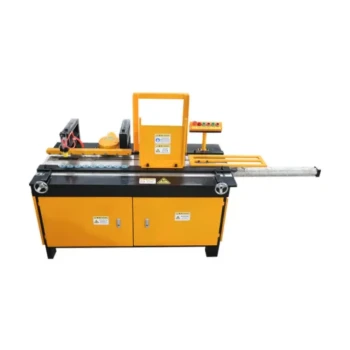
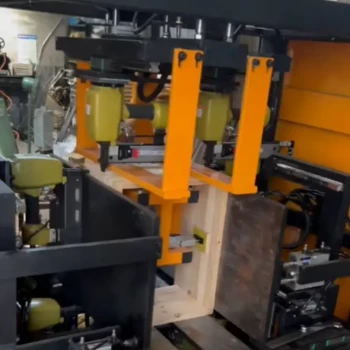
- High-Efficiency Pneumatic Bee Hive Making Machine for Rapid Box Assembly
- Mini Desktop Bee Hive Frame Forming Making Machine
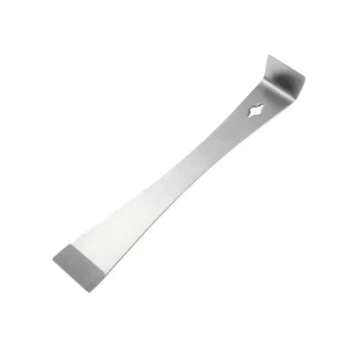
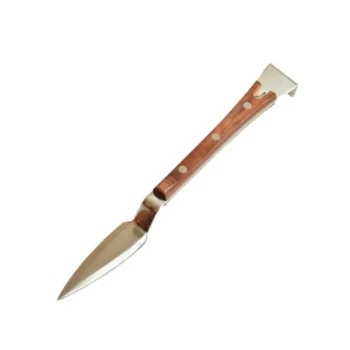
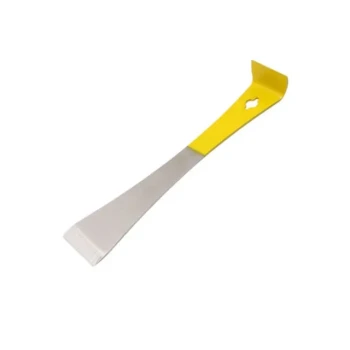
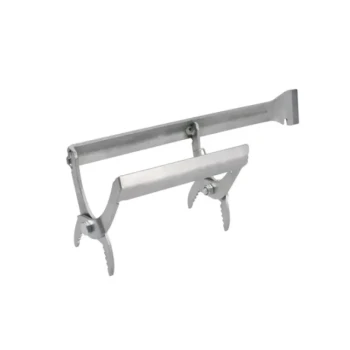
- Professional Stainless Steel Pry-Bar Hive Tool
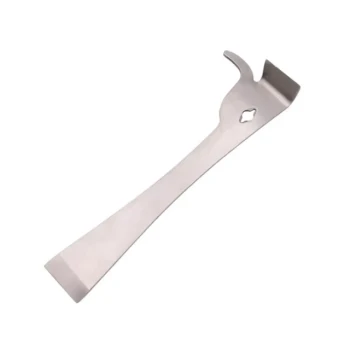
- Professional Multi-Function Stainless Steel Hive Tool
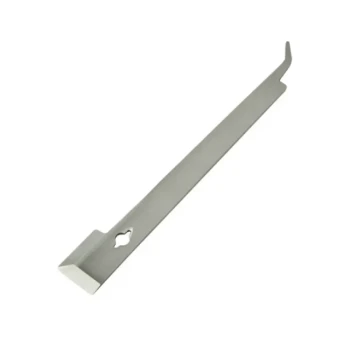
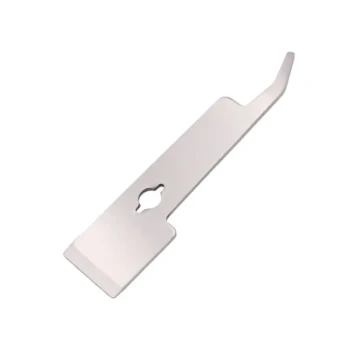
- Stainless Steel J Hook Hive Tool for Beekeeping
People Also Ask
- How does the introduction of professional beehive-making machinery benefit sustainable beekeeping? Scale Your Apiary
- Why is specialized beehive-making machinery critical for low-defense breeding? Enhance Selection with Precision Tools
- What is the industrial value of high-efficiency beehive manufacturing machinery for large-scale apiaries? Scale Efficiency
- How does the introduction of specialized beehive making machinery contribute to increasing the scale of regional beekeeping industries?
- What is the importance of specialized beehive making machinery in a circular bio-economy? Build Local Sustainability