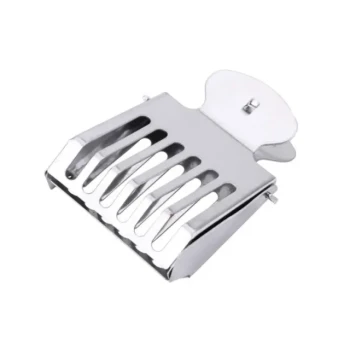
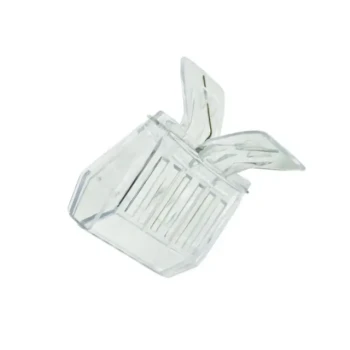
Some beekeepers reject the use of queen excluders primarily because they view the device as an unnecessary physical barrier that impedes the movement of worker bees. The central argument is that by making it difficult for workers to travel into the upper boxes (honey supers), the colony’s overall honey collection and storage rates are reduced, earning the device the derogatory nickname "Honey Excluder."
The Core Insight While queen excluders offer management convenience by keeping brood separate from honey, opponents argue that this convenience comes at the cost of colony efficiency. The decision to forego the device is often a choice to prioritize maximum honey yield and natural bee behavior over the ease of extraction.
The Efficiency Argument: Why "Honey Excluder"?
The most common technical objection to queen excluders relies on the physics of the hive. Beekeepers who avoid them argue that the grid creates a bottleneck in the colony's workflow.
Impedance of Worker Movement
The primary reference indicates that an excluder acts as a literal barrier. For a worker bee laden with nectar, squeezing through a metal or plastic grid requires extra effort. Critics argue that bees are naturally reluctant to cross this barrier.
Reduced Honey Yields
If the worker bees are hesitant to pass through the excluder, they are less likely to build comb and store nectar in the honey supers above it. This hesitation can result in significantly lower honey production, defeating the beekeeper's primary goal.
Biological and Health Concerns
Beyond simple honey yields, many beekeepers choose not to use excluders based on the biological welfare of the colony.
The Risk of "Honeybound" Hives
When bees are reluctant to cross an excluder, they may store honey in the brood nest (the bottom boxes) instead of the supers. This backfilling leaves no room for the queen to lay eggs. Consequently, the colony may feel overcrowded, leading to an increased risk of swarming.
Physical Harm to the Colony
Some excluders, particularly those made of stamped metal, can have sharp edges. As worker bees squeeze through, these edges may damage their wings, potentially shortening their lifespan. Furthermore, drones (male bees) are larger than workers and cannot pass through; they can become trapped in the grid and die, creating unnecessary waste and potential hygiene issues.
Natural Beekeeping Philosophy
For those adhering to "natural" or distinct biological beekeeping philosophies, restricting the queen's movement is seen as an unnatural intervention. These beekeepers believe the queen should have free reign to lay eggs wherever she sees fit, trusting the colony to organize itself naturally.
Operational Trade-offs
The choice to avoid excluders often comes down to the specific goals of the operation.
Commercial Considerations
Commercial beekeepers focusing on pollination services rather than honey extraction often find excluders unnecessary. For these operations, the expense of purchasing equipment and the hassle of maintaining it—such as cleaning grids clogged with wax and propolis—outweighs any benefit.
The Downside of Going Excluder-Free
It is critical to understand the trade-offs of this decision. If you choose not to use an excluder:
- Brood in Honey: The queen may lay eggs in your honey supers. This complicates extraction and can affect the flavor and purity of the honey.
- Difficulty Finding the Queen: Without an excluder confining her to the bottom boxes, the queen can be anywhere in the hive, making inspections significantly more time-consuming.
- Darker Wax: Brood rearing darkens the comb. If you value pristine, light-colored wax for honeycomb production, allowing the queen into supers will compromise this.
Making the Right Choice for Your Goal
The decision to use or reject a queen excluder is not a matter of right or wrong, but of aligning equipment with your specific objective.
- If your primary focus is Maximum Honey Yield: Consider removing the excluder to eliminate barriers to worker movement, but be prepared to sort through frames containing brood during harvest.
- If your primary focus is Ease of Management: Use an excluder to keep the queen contained, ensuring honey supers remain brood-free and the queen is easy to locate.
- If your primary focus is Natural Beekeeping: Avoid the excluder to allow the colony to manage its own organization and prevent potential physical damage to workers and drones.
Ultimately, the best approach is to experiment with your specific hives to see if the removal of the excluder increases your yield enough to justify the increased management effort.
Summary Table:
| Reason for No Excluder | Impact on Colony | Primary Benefit |
|---|---|---|
| Worker Movement | Reduces physical barriers and bottlenecks | Increased nectar collection speed |
| Swarm Prevention | Prevents honeybound brood nests | Lower swarming risk & colony stability |
| Bee Health | Prevents wing damage and drone trapping | Longer worker lifespan & better hygiene |
| Yield Maximization | Encourages comb building in supers | Higher total honey production |
| Natural Philosophy | Allows natural hive organization | Reduced stress on the queen and colony |
Scale Your Apiary with HONESTBEE
Choosing the right equipment is vital for balancing colony health with commercial productivity. At HONESTBEE, we understand the unique needs of commercial apiaries and distributors. Whether you prioritize natural hive organization or high-efficiency honey extraction, we provide the full spectrum of professional tools to help you succeed.
Our value to your business includes:
- Comprehensive Wholesale Offering: A complete range of beekeeping tools, machinery, and essential consumables.
- Specialized Hardware: High-performance hive-making and honey-filling machines designed for scale.
- Premium Selection: From durable queen excluders to specialized honey-themed cultural merchandise.
Ready to enhance your operation's efficiency? Contact us today to discuss our wholesale solutions and find the perfect equipment for your business goals.
Related Products
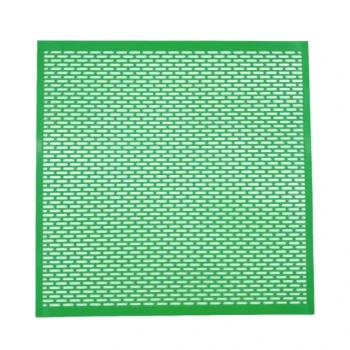
- High Performance Plastic Queen Excluder for Beekeeping and Apiary Management
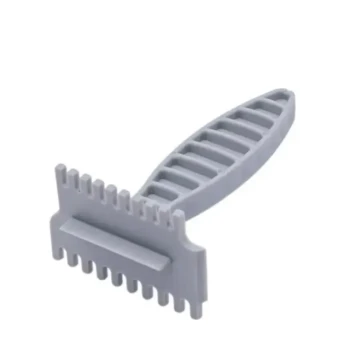
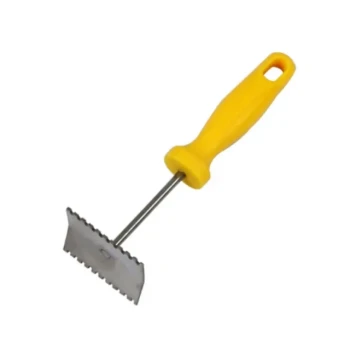
- Lightweight Durable Plastic Queen Excluder Scraper for Beekeeping
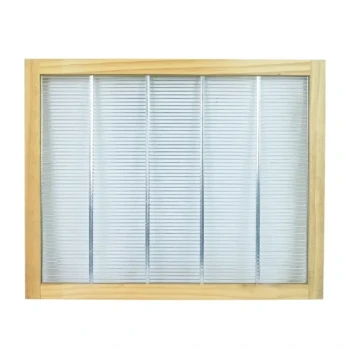
- Premium Wood Framed Metal Wire Queen Bee Excluder
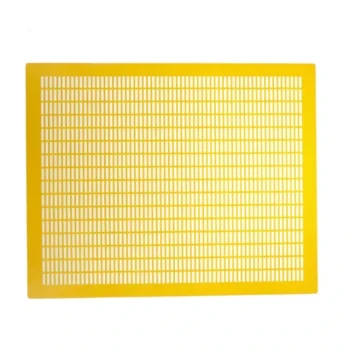
- Professional Plastic Queen Excluder for Modern Beekeeping
- Metal Queen Bee Excluder for Beekeeping
People Also Ask
- What are the characteristics of a plastic queen excluder? Key Benefits for Cost-Effective Beekeeping
- What are the operational and cost advantages of using plastic queen excluders over metal or wire excluders in commercial hive management? Discover how they reduce labor, prevent wing damage, and lower total costs.
- What types of queen excluders are available for beekeepers? Choose the Right Tool for Your Hive
- Why are standardized hive frames and queen excluders essential for maintaining honey purity and quality? Scale Your Purity
- Do plastic queen excluders work? A Cost-Effective Solution for Modern Apiaries