Pre-treating queen cups with a mixture of sterile water and royal jelly is a fundamental technique used to maximize the survival rate of grafted larvae. This specific 1:1 dilution serves two immediate functions: it establishes a humid micro-environment that prevents the delicate larvae from dehydrating during the transfer process, and it provides an instant nutritional source.
Core Takeaway: This primer acts as both a life-support system and a behavioral trigger. By mimicking the natural conditions of an active queen cell, the mixture prevents larval desiccation and chemically signals nurse bees to immediately adopt and tend to the graft.
The Biological Function: Survival and Nutrition
Preventing Rapid Dehydration
Larvae selected for grafting are incredibly small and susceptible to desiccation. Even brief exposure to ambient air during the transfer from the comb to the cup can be fatal.
Placing the larva onto a bed of diluted royal jelly ensures it remains submerged in a moist environment. This liquid barrier acts as an immediate shield against dry air, preserving the larva's viability until the nurse bees take over.
Immediate Nutritional Continuity
The grafting process interrupts the larva's constant feeding cycle. A dry cup offers no sustenance, which can stress the larva and stunt development.
The 1:1 mixture provides a readily available food source the moment the larva is placed in the cup. This ensures there is no nutritional gap between the time of grafting and the arrival of the first nurse bees.
The Behavioral Function: Colony Acceptance
Mimicking the Natural Environment
Bees are highly sensitive to the texture and scent of their environment. A dry wax or plastic cup feels foreign and triggers rejection rather than care.
By coating the bottom of the cup with this mixture, you simulate the conditions of a natural queen cell. This familiarity drastically lowers the rejection rate.
Triggering the Nursing Instinct
The presence of royal jelly acts as a potent chemical signal. It does not just smell like food; it is a pheromone-rich cue that induces specific nursing behaviors in worker bees.
When nurse bees encounter the pre-treated cup, the scent signals that the cell is active and requires immediate attention. This accelerates the rate at which the colony accepts the new queen candidate.
Understanding the Trade-offs
The Importance of the 1:1 Ratio
Precision in the mixture is critical. Pure royal jelly is often too viscous and sticky for effective grafting, making it difficult to float the larva off the grafting tool.
Conversely, over-diluting the mixture with too much water reduces the nutritional value and chemical potency. The 1:1 ratio strikes the necessary balance between viscosity for mechanical ease and biological density for acceptance.
Hygiene and Sterility
While moisture is beneficial, it can also breed bacteria if the water source is not pure. Using sterile water is non-negotiable to prevent introducing pathogens into the heart of the hive.
Additionally, the mixture must be fresh. Fermented or dried-out royal jelly will repel nurse bees rather than attract them, defeating the purpose of the pre-treatment.
Making the Right Choice for Your Goal
Whether you are a commercial breeder or a hobbyist, the preparation of your cups dictates your success rate.
- If your primary focus is high acceptance rates: Ensure you use a strict 1:1 dilution to maximize the chemical signaling that triggers nurse bees to accept the graft.
- If your primary focus is grafting speed: Use the mixture to create a "slip" layer, which allows the larvae to slide off the grafting tool effortlessly, reducing mechanical damage.
- If your primary focus is hygiene: Verify that the water used for dilution is sterile and the royal jelly is fresh to prevent bacterial growth within the cup.
Ultimately, the small effort of priming cups creates the bridge between artificial manipulation and natural biological acceptance.
Summary Table:
| Factor | Benefit of Pre-treatment Mixture |
|---|---|
| Moisture Control | Creates a humid micro-environment to prevent larval dehydration. |
| Nutrition | Provides instant nutritional continuity during the transition. |
| Acceptance | Mimics natural queen cell conditions to reduce colony rejection. |
| Behavioral Cue | Triggers nursing instincts in worker bees via pheromone-rich signals. |
| Grafting Ease | Acts as a 'slip' layer for safer and faster larval transfer. |
Elevate Your Queen Rearing Success with HONESTBEE
Maximizing your acceptance rates starts with the right tools and techniques. HONESTBEE specializes in supporting commercial apiaries and distributors with high-quality beekeeping machinery, professional-grade grafting tools, and essential consumables. Whether you need precise honey-filling machines or durable hive-making hardware, our comprehensive wholesale offerings are designed to streamline your operations and grow your business.
Ready to scale your apiary? Contact us today to explore our full product range and industry-leading solutions!
References
- Ahmed M. Abdelaal. Effect of Rearing Queen Bees, Apis mellifera L. Raised from Grafted Larvae Under Magnetic Field Conditions on Its Characteristics. DOI: 10.21608/eajbsa.2020.131159
This article is also based on technical information from HonestBee Knowledge Base .
Related Products
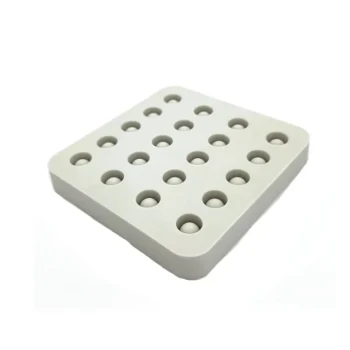
- High-Efficiency 20-Cell Silicone Mold for Beeswax Bee Queen Cup Production
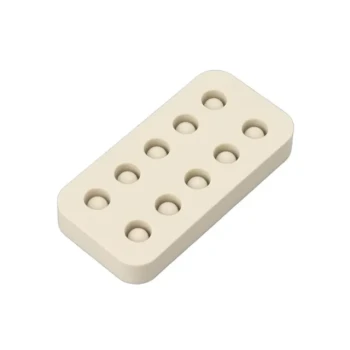
- 10-Cell Silicone Beeswax Bee Queen Cups Forming Mold
- Clear Black Plain Polystyrene Queen Bee Grafting Cell Cups No Lug for Bee Queen Cup
- Brown Nicot Queen Cell Cups for Breeding Queen Bees Beekeeping
- JZBZ Type Wide Base Plastic Queen Cell Cups for Base Mounting and Queen Rearing
People Also Ask
- What is the first tip for pouring beeswax into a silicone mold? Ensure a Perfect Release
- What are the technical advantages of using precision silicone molds for the manufacturing of beeswax queen cups? - Scale
- How do beeswax queen cell cups function? Optimize Queen Rearing with Biological Mimicry
- What is the biological function of beeswax queen cell cups? Boost Acceptance in Artificial Queen Rearing
- What are the advantages of using tapered wooden dowels for queen cups? Boost Rearing Consistency & Acceptance