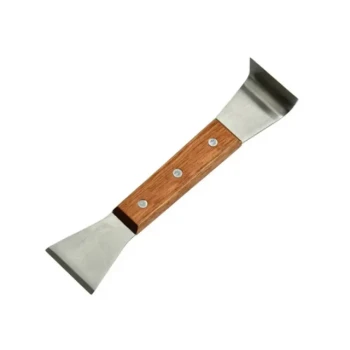
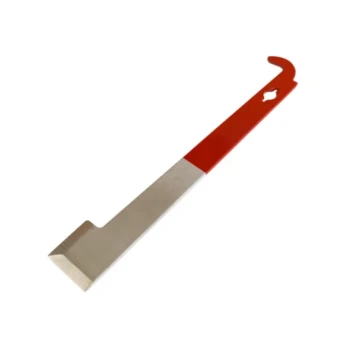
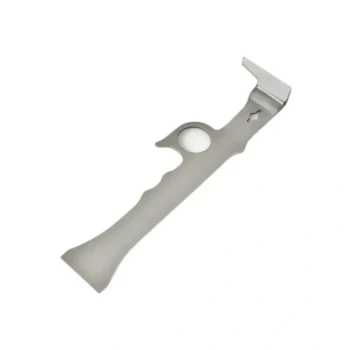
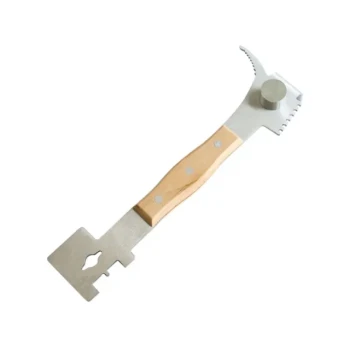
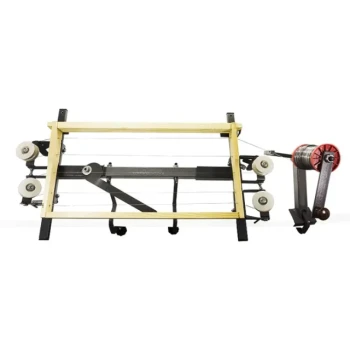
A professional beekeeping toolset is the fundamental prerequisite for sustainable, high-quality honey production. It equips the beekeeper with specialized hardware—such as hive tools, uncapping knives, and bee brushes—designed specifically to maximize operational efficiency during daily maintenance and physical processing. By enabling the swift extraction of frames and the precise removal of wax cappings, these tools preserve the structural integrity of the honeycomb and minimize potentially harmful disturbances to the bee colony.
The necessity of professional tooling extends beyond mere convenience; it is the primary safeguard for product purity and colony welfare. Proper equipment bridges the gap between raw extraction and a safe, commercially viable product by maintaining hygiene standards and preventing physical damage to the hive.
Optimizing Physical Processing
Preserving Honeycomb Structure
The primary function of professional tools, such as uncapping knives, is to process the hive products without destruction.
These tools allow beekeepers to remove wax cappings cleanly, ensuring that the underlying honeycomb structure remains intact. This preservation is critical for the integrity of harvested honey, beeswax, and propolis.
Maximizing Extraction Efficiency
Time is a critical factor during the harvest. Professional hardware is engineered to expedite the removal of frames from the hive boxes.
By streamlining the physical aspect of extraction, beekeepers can process larger volumes of product in shorter windows of time, directly impacting overall yield.
Protecting Bioactive Components
Modern processing machinery utilizes precise physical controls during extraction.
This precision is necessary to protect the sensitive bioactive components found in honey, pollen, and royal jelly, which can be degraded by rough handling or improper thermal conditions.
Ensuring Hygiene and Safety
Preventing Secondary Contamination
The stages of collection and extraction are vulnerable points for introducing contaminants.
Using professional, food-grade machinery creates a standardized barrier against environmental pollutants. This prevents the introduction of heavy metals or chemical residues that often occur with makeshift or non-standardized equipment.
Meeting Organic Standards
For organic honey production, the material composition of the toolset is as important as its function.
Professional equipment aligns with organic agriculture principles by eliminating synthetic chemicals and harmful coatings. This ensures that the final product remains free from external pollutants and maintains its organic integrity.
Maintaining Colony Health
Minimizing Colony Disturbance
A major goal of professional apiary management is to work the hive with as little impact as possible.
Specialized bee brushes and hive tools allow the beekeeper to manipulate the hive and move bees gently. This reduces stress on the colony, which is vital for maintaining productivity and preventing aggressive defensive behaviors.
Facilitating Disease Management
Insufficient management is a leading cause of yield drops and colony loss.
A professional toolset enables systematic and regular apiary inspections. By standardizing these inspection protocols, beekeepers can identify disease or production-limiting factors early, mitigating the risk of colony collapse.
Common Pitfalls to Avoid
The Risk of Improper Maintenance
Owning professional tools is not enough; they require rigorous upkeep.
If tools are not systematically maintained and cleaned, they can become vectors for disease transmission between hives. Neglected equipment undermines the very hygiene standards it was purchased to uphold.
Regulatory Compliance Gaps
Not all "professional" tools meet every regulatory standard.
Beekeepers aiming for export or organic certification must verify that their specific machinery complies with those specific protocols. Using standard commercial gear in a strictly organic operation can lead to compliance failures regarding residue limits.
Making the Right Choice for Your Goal
To select the appropriate toolset, you must align your equipment with your specific production targets.
- If your primary focus is Commercial Export: Prioritize automated, food-grade extraction machinery that ensures standardized hygiene and prevents heavy metal contamination.
- If your primary focus is Organic Certification: Ensure all tools and containers are free from synthetic coatings and comply strictly with organic agricultural principles to avoid residue.
- If your primary focus is Colony Health: Invest in high-quality hand tools (brushes and hive tools) that prioritize ergonomics and precision to minimize physical stress on the bees during inspections.
The right tools do not just extract honey; they professionalize the entire lifecycle of the hive, ensuring safety from the comb to the jar.
Summary Table:
| Benefit Category | Key Tool/Hardware | Impact on Production |
|---|---|---|
| Physical Processing | Uncapping Knives & Extractors | Preserves honeycomb integrity and maximizes yield efficiency. |
| Hygiene & Safety | Food-grade Machinery | Prevents secondary contamination and ensures organic compliance. |
| Colony Welfare | Bee Brushes & Hive Tools | Minimizes bee stress and facilitates early disease detection. |
| Bioactive Protection | Precision Machinery | Safeguards sensitive nutrients in honey, pollen, and royal jelly. |
Elevate Your Apiary Operations with HONESTBEE
As a professional beekeeper or distributor, your success depends on the quality and reliability of your equipment. HONESTBEE specializes in supporting commercial apiaries and wholesale partners with a comprehensive range of high-performance solutions.
From specialized hive-making and honey-filling machinery to essential consumables and honey-themed cultural merchandise, we provide the tools needed to scale your production while maintaining the highest standards of purity.
Ready to professionalize your honey production lifecycle?
Contact HONESTBEE today to explore our wholesale offerings and discover how our expertise can drive your business growth.
References
- Alla Cherep, D Zabelina. CRISIS MANAGEMENT: BEE BUSINESS. DOI: 10.32752/1993-6788-2024-1-272-154-162
This article is also based on technical information from HonestBee Knowledge Base .
Related Products
- Professional Dual-End Stainless Steel Hive Tool for Beekeeping
- Professional 600D Oxford Cloth Beekeeping Tool Bag with 8 Pockets and Elastic Loops
- HONESTBEE Professional Mini J-Hook Hive Tool for Beekeeping
- HONESTBEE 15-in-1 Beekeeper Multi-Tool with Hammer and Pliers for Beekeeping
- Professional Stainless Steel J-Hook Hive Tool
People Also Ask
- What specific challenges do beekeeping hive tools address during hive maintenance? Essential Solutions for Apiaries
- Why are professional hive tools considered indispensable? Master Beekeeping Maintenance with Precision Leverage
- What is the role of professional hive tools in routine apiary maintenance? Expert Tips for Hive Health and Longevity
- What role do professional beehives and beekeeping tools play in honey prosumption? Scale yield & commercial success.
- What are the primary functions of a stainless steel hive tool? Essential Equipment for Professional Beekeeping