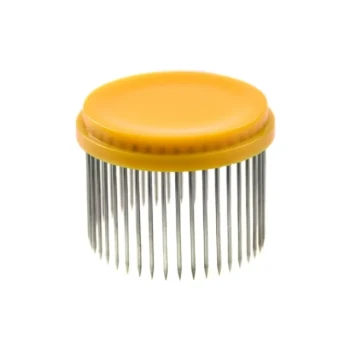
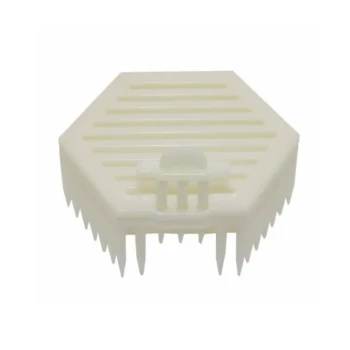
The use of a queen cage is mandatory during the Partial Shook Swarm (PSS) process to ensure the physical safety of the colony's most valuable asset. The process involves vigorous mechanical shaking of brood frames, which presents a high risk of crushing or injuring the queen if she is left exposed. Additionally, the cage is a strategic tool to enforce a temporary halt in egg-laying, which helps break the replication cycle of brood pathogens.
Core Takeaway: The queen cage serves a dual purpose in PSS: it acts as a physical shield against mechanical damage during forceful frame shaking and functions as a biological control tool to temporarily halt brood production, thereby starving pathogens of their necessary hosts.
The Physical Protection Imperative
Mitigating Mechanical Injury
The Partial Shook Swarm process is physically intrusive. It requires the vigorous shaking of brood frames to effectively remove infected larvae.
If the queen were left loose on the frames during this operation, the violent motion would likely result in her being crushed, maimed, or lost in the debris. The cage isolates her from this mechanical chaos, ensuring she survives the intervention intact.
Preventing Accidental Escape
During high-stress hive manipulations, queens may react unpredictably. The disruption caused by shaking frames can provoke a queen to take flight or fall from the hive.
Securely caging the queen prior to shaking ensures she remains within the apiary's control. It eliminates the risk of losing the colony's "central production unit" due to panic or displacement.
Maintaining Physiological Stability
While the queen is isolated, she is cut off from normal trophallaxis (feeding) by nurse bees.
As noted in professional beekeeping protocols, high-quality cages often feature built-in honey storage troughs. This ensures the queen receives essential nutritional support during her confinement, preventing starvation and maintaining her physiological stability despite the external disruption.
Biological Disease Control
Creating a Brood-less Period
Beyond safety, the cage is a tool for technical intervention. By confining the queen, you immediately stop the deposition of new eggs.
This enforces a temporary "brood-less" period within the hive. This pause is not a side effect; it is a calculated component of the PSS process designed to alter the colony's biological rhythm.
Interrupting Pathogen Replication
Many brood pathogens require specific larval stages to reproduce and spread.
By combining the removal of infected larvae (via shaking) with a halt in new egg production (via caging), you effectively interrupt the pathogen's replication cycle. The lack of new hosts prevents the disease from re-establishing itself immediately after the intervention.
Understanding the Trade-offs
Assessing Queen Stress
While necessary, confinement is an unnatural state for a laying queen.
Prolonged isolation can induce stress, potentially impacting her egg-laying rate immediately upon release. However, this risk is generally outweighed by the necessity of disease control and physical protection.
The Risk of Colony Decline
The queen is the engine of the colony; her egg-laying directly influences honey yield and population sustainability.
While the brood break is intentional for disease control, it must be timed precisely. An excessively long confinement period can lead to a gap in the workforce population, potentially weakening the colony just as it attempts to recover from the PSS process.
Making the Right Choice for Your Goal
To effectively implement the Partial Shook Swarm process, you must balance safety with biological timing.
- If your primary focus is Physical Safety: Prioritize identifying and securing the queen in a cage with food stores before touching any brood frames to eliminate the risk of crushing.
- If your primary focus is Disease Eradication: Ensure the queen remains caged long enough to create a distinct break in the brood cycle, preventing pathogens from transferring to a new generation of larvae.
The cage is not just a container; it is a precision instrument that protects your colony's genetics while enabling vital sanitary interventions.
Summary Table:
| Feature | Function in PSS Process | Key Benefit |
|---|---|---|
| Mechanical Shield | Protects the queen from vigorous frame shaking | Prevents crushing or fatal injury |
| Flight Prevention | Keeps the queen securely inside the hive during stress | Eliminates risk of loss or displacement |
| Biological Brake | Enforces a temporary halt in egg-laying | Interrupts pathogen replication cycles |
| Nutritional Support | Integrated troughs provide food during isolation | Maintains queen's physiological health |
Maximize Your Apiary's Productivity with HONESTBEE
Protecting your queen is the first step in maintaining a thriving, disease-free colony. At HONESTBEE, we specialize in supporting commercial apiaries and distributors with high-performance beekeeping solutions. From precision queen cages and specialized hardware to advanced honey-filling machines, our comprehensive wholesale catalog is designed to scale your operations.
Whether you are managing thousands of hives or distributing tools to the next generation of beekeepers, we provide the industrial-grade equipment and consumables you need to succeed. Contact us today to explore our full range of wholesale beekeeping supplies and see how we can strengthen your business.
References
- Michela Mosca, Giovanni Formato. IPM Strategy to Control EFB in Apis mellifera: Oxytetracycline Treatment Combined with Partial Shook Swarm and Queen Caging. DOI: 10.3390/vetsci11010028
This article is also based on technical information from HonestBee Knowledge Base .
Related Products
- Durable Galvanized Steel Spring Queen Bee Cage
- Professional Queen Cage with Sliding Gate and Feeder Plug
- Classic Wooden and Mesh California Queen Cage
- Professional Queen Bee Introduction and Transport Cage
- Professional Multi-Functional Queen Bee Cage
People Also Ask
- Why are specialized queen bee cages used for the banking of mated queen bees? Maximize Commercial Apiary Storage Efficiency
- What is the mechanism of action for using temporary queen bee cages? Master Successful Queen Introduction
- What is the step-by-step process for installing a queen bee's cage onto a frame? Ensure Hive Acceptance Safely
- What is the optimal placement for a queen bee cage? Essential Strategies for Successful Re-queening
- What are the advantages and disadvantages of introducing a queen bee by embedding the cage? Boost Your Queen Acceptance