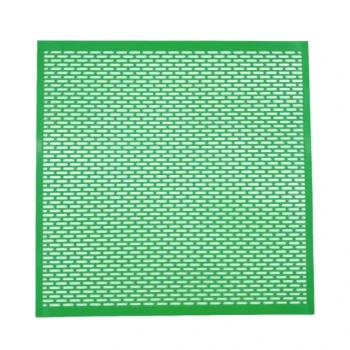
The queen excluder is the control mechanism that makes drone brood removal feasible.
It is considered essential because it strictly confines the queen to the lower brood box, forcing her to lay eggs in the designated trap frames rather than wandering into the upper honey supers. This ensures the drone brood—and the Varroa mites trapped within them—remains concentrated in a specific area for easy removal, while simultaneously keeping your honey harvest free of brood contamination.
Core Takeaway The queen excluder turns a standard hive into a precision tool by restricting the queen's movement; this guarantees she utilizes the mite-trapping drone frames in the brood box without compromising the purity of the honey stored above.
Maximizing Trap Frame Effectiveness
Defining the Queen's Territory
In a drone brood removal system, you insert specific frames to "trap" Varroa mites. The queen excluder acts as a physical barrier that defines the queen's activity area.
Concentrating the Operation
By restricting the queen to the lower brood box, you ensure she is physically present where the trap frames are located. If she were free to roam the entire hive, she might bypass the trap frames entirely, rendering the pest management strategy ineffective.
Ensuring Egg-Laying Access
The excluder ensures the trap frames remain constantly within the queen's reach. This facilitates the rapid laying of drone eggs, which is the first step in attracting and trapping reproducing Varroa mites.
Preserving Honey Purity
Separating Brood from Stores
While the primary goal is pest management, the excluder serves a dual purpose by protecting your harvest. It prevents the queen from entering the honey supers (the upper boxes used for honey storage).
Avoiding Contamination
Without an excluder, the queen could lay drone brood inside the honeycombs. This would not only disrupt the removal schedule but also contaminate the honey with larvae and waste, complicating the extraction process.
Critical Safety Warnings and Trade-offs
The Seasonal Limitation
While essential during the active season, a queen excluder becomes a lethal hazard if left on too long. It is critical that you do not view the excluder as a permanent fixture.
The Winter Hazard
As temperatures drop, the bee cluster moves upward to access honey stores and stay warm. If the excluder is still in place, the worker bees will pass through to the food, but the larger queen cannot.
The Consequence of Neglect
Trapped below the excluder, the queen will be separated from the warming cluster. She will freeze and die, resulting in the loss of the colony. You must remove the excluder after the nectar flow ends and before winter preparation begins.
Making the Right Choice for Your Goal
To effectively manage a colony using drone brood removal, apply the equipment based on your specific seasonal objective:
- If your primary focus is Mite Management: Install the queen excluder during the active season to force the queen to lay in trap frames and keep the operation contained.
- If your primary focus is Honey Quality: Use the excluder to strictly separate the brood chamber from the honey supers, ensuring a clean harvest.
- If your primary focus is Colony Survival: Remove the excluder immediately after the final harvest to prevent trapping the queen away from the cluster during winter.
Precision in timing your equipment use is the difference between a healthy, low-mite colony and a dead winter hive.
Summary Table:
| Feature | Role in Drone Brood Removal | Impact on Honey Production |
|---|---|---|
| Physical Barrier | Restricts queen to lower brood box trap frames. | Keeps honey supers free of larvae and debris. |
| Mite Control | Forces egg-laying in designated trap zones. | Enhances colony health without chemical residue. |
| Seasonal Timing | Must be removed before winter to prevent queen loss. | Facilitates efficient extraction during peak flow. |
Scale Your Apiary Success with HONESTBEE
At HONESTBEE, we understand the precision required for large-scale drone brood management and Varroa control. As a dedicated partner to commercial apiaries and distributors, we provide the full spectrum of professional-grade beekeeping tools and machinery. From high-durability queen excluders to advanced honey-filling machines and specialized hive-making equipment, our wholesale solutions are designed to optimize your productivity.
Ready to elevate your beekeeping operation? Contact us today to access our comprehensive catalog of hardware, industrial consumables, and honey-themed merchandise. Let us help you build a more efficient, profitable honey business.
References
- Richard Odemer, Doris de Craigher. Temporal increase of Varroa mites in trap frames used for drone brood removal during the honey bee season. DOI: 10.1111/jen.13046
This article is also based on technical information from HonestBee Knowledge Base .
Related Products
- High Performance Plastic Queen Excluder for Beekeeping and Apiary Management
- Professional Plastic Queen Excluder for Modern Beekeeping
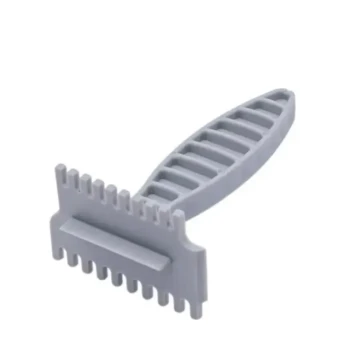
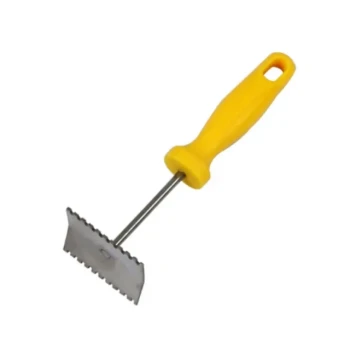
- Lightweight Durable Plastic Queen Excluder Scraper for Beekeeping
- Metal Queen Bee Excluder for Beekeeping
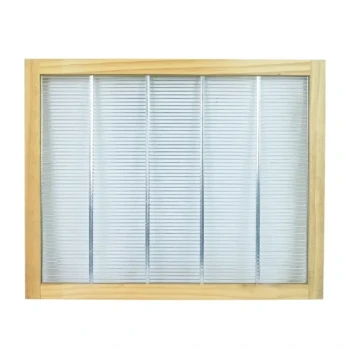
- Premium Wood Framed Metal Wire Queen Bee Excluder
People Also Ask
- What are the characteristics of a plastic queen excluder? Key Benefits for Cost-Effective Beekeeping
- What are the operational and cost advantages of using plastic queen excluders over metal or wire excluders in commercial hive management? Discover how they reduce labor, prevent wing damage, and lower total costs.
- What types of queen excluders are available for beekeepers? Choose the Right Tool for Your Hive
- Why are standardized hive frames and queen excluders essential for maintaining honey purity and quality? Scale Your Purity
- Do plastic queen excluders work? A Cost-Effective Solution for Modern Apiaries