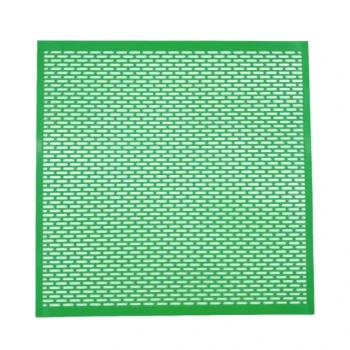
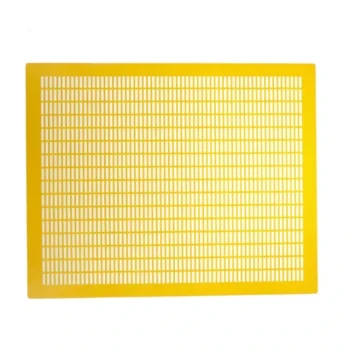
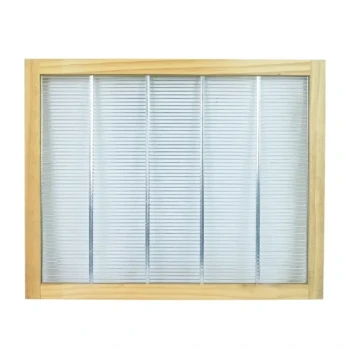
The placement of a queen excluder is a precision management tactic. It functions as a physical filter located directly between the brood box (the nursery) and the honey super (the pantry). By leveraging specific mesh dimensions, the device allows smaller worker bees to traverse freely while physically blocking the larger queen, effectively confining her egg-laying activities to the lower chambers.
The excluder segregates the hive into two distinct zones: a lower chamber for reproduction and an upper chamber for pure food storage. By preventing the queen from entering the honey supers, beekeepers ensure the harvest remains free of brood contamination, simplifying extraction and guaranteeing high-quality, clear honey.
The Mechanics of Separation
Utilizing Size Differentials
The fundamental principle of the queen excluder is physical size discrimination.
The mesh or wire grid is engineered with openings that are precisely calibrated. They are large enough to permit the passage of worker bees, who are responsible for storing nectar. However, they are too small for the larger abdomen of a queen bee to fit through.
Confining the Brood Nest
This barrier creates a "ceiling" for the queen.
In a natural setting, a queen may expand the brood nest upward as the colony grows. The excluder artificially limits this expansion, confining the queen to the brood box. This ensures that the upper boxes (supers) remain exclusive to honey production.
Ensuring Honey Purity and Quality
Preventing Contamination
The most critical reason for using an excluder is to keep eggs and larvae out of the honey harvest.
If a queen lays eggs in the supers, the resulting brood will eventually be harvested alongside the honey. During the mechanical extraction process (centrifuging), larvae can be spun out into the honey. This contaminates the product and ruins its sensory profile.
Achieving Commercial Standards
For honey to be considered "high-quality" or commercial grade, it must be clear and pure.
By strictly excluding the queen, beekeepers ensure that the honey stored in supers is fully mature and free of biological debris. This results in a cleaner final product that meets consumer expectations for clarity and taste.
Operational Advantages for the Beekeeper
Simplifying the Harvest
The use of an excluder significantly reduces the complexity of removing honey frames.
Because the queen is physically unable to enter the supers, the beekeeper does not need to inspect every frame for her presence before harvesting. This eliminates the risk of accidentally harming or removing the queen during the extraction process.
Preservation of Comb Hygiene
Brood rearing changes the physical nature of the wax comb.
When brood is reared in a cell, it leaves behind a cocoon, which darkens the wax over time. Darker, brood-used comb is more attractive to wax moths and other pests. By keeping the supers brood-free, the wax remains cleaner, lighter, and less susceptible to pest damage during storage.
Understanding the Management Trade-offs
The Necessity of Brood Management
While the excluder protects the honey, it imposes a constraint on the queen's laying space.
Because the queen is confined to the lower chambers, the beekeeper must actively manage the brood box to ensure she has enough room to lay. Failure to monitor this can lead to congestion in the lower hive, potentially triggering swarming impulses if the colony feels overcrowded.
Fall Management Implications
The excluder simplifies seasonal transitions.
Without an excluder, a queen might move up into the honey supers late in the season. This complicates fall management, as the cluster may become separated or the queen may be located in a box that needs to be removed for winter. The excluder keeps the colony explicitly organized for end-of-season consolidation.
Making the Right Choice for Your Goal
- If your primary focus is Commercial Sales: The excluder is essential for producing "clean," larvae-free honey that meets sanitary and sensory standards for retail.
- If your primary focus is Operational Speed: The excluder allows you to harvest supers rapidly without the time-consuming process of locating the queen on every frame.
- If your primary focus is Equipment Longevity: The excluder prevents brood cocoons from darkening your honey super wax, making the combs less attractive to destructive wax moths.
Using a queen excluder transforms the hive from a wild nest into a structured apiary system, prioritizing the purity of the harvest and the efficiency of the beekeeper.
Summary Table:
| Feature | Purpose | Key Benefit |
|---|---|---|
| Size Discrimination | Uses calibrated mesh to block the queen while allowing workers. | Confines the brood nest to lower chambers. |
| Honey Purity | Keeps eggs and larvae out of the honey supers. | Guarantees clear, larvae-free commercial grade honey. |
| Comb Hygiene | Prevents brood rearing in honey storage frames. | Keeps wax light, clean, and resistant to wax moths. |
| Operational Speed | Eliminates the need to find the queen during harvest. | Reduces labor time and prevents accidental queen loss. |
| Seasonal Control | Maintains a structured hive organization. | Simplifies fall management and colony consolidation. |
Scale Your Apiary with HONESTBEE Precision Equipment
At HONESTBEE, we understand that commercial success in beekeeping requires both efficiency and product purity. We cater specifically to commercial apiaries and distributors, providing a comprehensive wholesale range of high-quality beekeeping tools, machinery, and consumables.
Whether you need precision-engineered queen excluders, advanced honey-filling machines, or durable hive-making hardware, our portfolio is designed to optimize your operations. From essential industry consumables to honey-themed cultural merchandise, we bring the full spectrum of equipment to your business.
Ready to enhance your honey quality and operational throughput? Contact us today to discuss your wholesale needs
References
- Tolera Kumsa, Dejene Takele. Assessment of the Effect of Seasonal Honeybee Management on Honey Production of Ethiopian Honeybee (Apis mellifera) in Modern Beekeeping in Jimma Zone. DOI: 10.15580/gjpbcs.2014.3.010314013
This article is also based on technical information from HonestBee Knowledge Base .
Related Products
- High Performance Plastic Queen Excluder for Beekeeping and Apiary Management
- Professional Plastic Queen Excluder for Modern Beekeeping
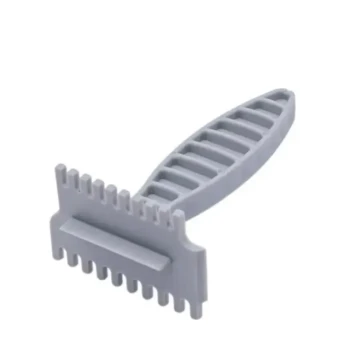
- Lightweight Durable Plastic Queen Excluder Scraper for Beekeeping
- Metal Queen Bee Excluder for Beekeeping
- Premium Wood Framed Metal Wire Queen Bee Excluder
People Also Ask
- What are the characteristics of a plastic queen excluder? Key Benefits for Cost-Effective Beekeeping
- What are the operational and cost advantages of using plastic queen excluders over metal or wire excluders in commercial hive management? Discover how they reduce labor, prevent wing damage, and lower total costs.
- What types of queen excluders are available for beekeepers? Choose the Right Tool for Your Hive
- Why are standardized hive frames and queen excluders essential for maintaining honey purity and quality? Scale Your Purity
- Do plastic queen excluders work? A Cost-Effective Solution for Modern Apiaries