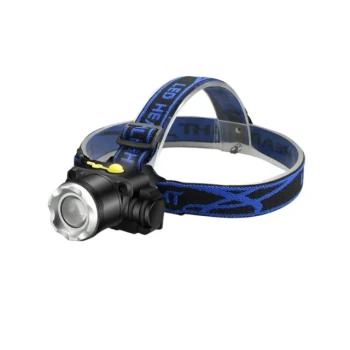
A small flashlight is an indispensable instrument for overcoming the inherent lack of visibility within the dense, dark structure of a honeybee hive. Without a focused, low-power light source, it is effectively impossible to observe the interior of deep honeycomb cells, making it difficult to accurately distinguish between complex behaviors like larval care and routine inspections.
The deep, dark architecture of a honeycomb obscures critical bee activities. A specific cold light source is required to illuminate the cell interior, allowing observers to verify head-positioning and duration to prevent the misclassification of behaviors.
Overcoming Visibility Challenges
To understand the necessity of the flashlight, one must first understand the physical environment of the hive.
Navigating Low Light Levels
Honeybee hives are naturally dark environments with very little ambient light. The dense packing of frames and the depth of the cells create shadows that obscure activity occurring below the surface.
Illuminating Deep Cells
Observation is not merely looking at the surface of the comb; it requires looking into it. A flashlight directs a beam specifically into the deep recesses of the cells, revealing the presence of larvae and the specific actions of adult bees.
Ensuring Data Accuracy
The primary reason for using artificial light is to ensure scientific rigor and prevent data errors.
Identifying Subtle Behaviors
Accurate observation relies on timing and positioning. For example, larval care is defined by a bee inserting its head into a cell for a duration exceeding 1.3 minutes.
Preventing Misclassification
Without clear visibility, an observer cannot track the exact duration or depth of the bee's head insertion. A focused light prevents the observer from confusing active larval care with shorter, routine cell inspections, ensuring behavioral statistics remain valid.
Understanding the Trade-offs
While illumination is necessary, the type of light used is equally critical to avoid altering the very behavior you are trying to observe.
The Importance of "Cold" Light
You cannot simply use any high-intensity torch. The flashlight must provide a low-power cold light source.
Minimizing Thermal Disturbance
Standard light sources often emit heat, which can stress the bees or alter their natural patterns. Using a cold light source allows for the necessary visibility while minimizing the thermal impact on the colony's internal environment.
Making the Right Choice for Your Goal
When selecting tools for hive observation, your choice of lighting directly impacts the integrity of your data.
- If your primary focus is scientific accuracy: Ensure your light source is focused enough to illuminate the bottom of deep cells to confirm head insertion durations of over 1.3 minutes.
- If your primary focus is colony welfare: Prioritize a low-power cold light tool to prevent heat generation that could skew behavioral results or harm larvae.
Precision in observation requires not just seeing the bee, but clearly understanding its interaction with the hive environment.
Summary Table:
| Feature | Importance in Hive Observation | Impact on Data Accuracy |
|---|---|---|
| Cold Light Source | Prevents thermal stress and behavioral distortion. | Maintains natural colony patterns. |
| Focused Beam | Reaches the bottom of deep honeycomb cells. | Confirms head-positioning and depth. |
| Illumination | Overcomes natural darkness within the frames. | Distinguishes care from routine inspection. |
| Timing Precision | Allows tracking of behaviors > 1.3 minutes. | Prevents misclassification of larval care. |
Optimize Your Apiary with Professional-Grade Equipment
At HONESTBEE, we understand that scientific precision and colony health are the pillars of a successful commercial operation. Whether you are a large-scale distributor or managing professional apiaries, our comprehensive wholesale portfolio is designed to meet your every need.
From specialized hive-making and honey-filling machinery to high-quality beekeeping tools and essential consumables, we provide the hardware necessary to observe, maintain, and scale your production. Partner with us to access industry-leading equipment that ensures accuracy in the field and efficiency in the warehouse.
Ready to upgrade your commercial beekeeping capabilities?
Contact HONESTBEE Today for Wholesale Inquiries
References
- Adam J. Siegel, Robert E. Page. In-hive patterns of temporal polyethism in strains of honey bees (Apis mellifera) with distinct genetic backgrounds. DOI: 10.1007/s00265-013-1573-y
This article is also based on technical information from HonestBee Knowledge Base .
Related Products
People Also Ask
- What are the advantages of using red light sources for African honey bees? Enhance Safety and Colony Health
- Why is a Red-light Flashlight necessary for the nighttime transportation of bee colonies? Enhance Hive Safety & Success
- What are the main products obtained from beekeeping? Honey, Beeswax, and Vital Pollination Services
- What is the primary function of a cylinder-shaped wood mold? Essential Tools for Quality Queen Rearing
- How can beekeeping supplies and accessories enhance the hobby? Essential Tools for Safe & Rewarding Beekeeping