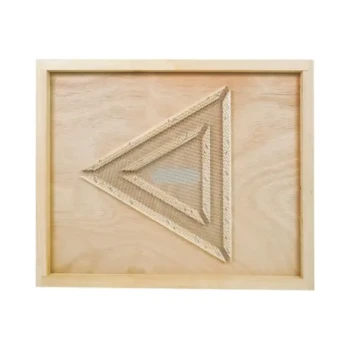
The wire mesh cover acts as a critical isolation barrier that separates the active colony from the debris collected at the bottom of the hive.
Its primary purpose is to physically prevent honeybees from accessing the monitoring board. Without this screen, hygienic bees would instinctively clean away the fallen mites and debris, destroying the evidence required to accurately assess the colony's parasite load.
The wire mesh ensures data integrity by allowing Varroa mites to fall through while preventing bees from removing them, guaranteeing that your monitoring counts reflect the true state of the infestation.
The Primary Function: Protecting Data Integrity
To effectively manage hive health, you must have accurate data regarding mite populations. The wire mesh is the mechanical component that makes this possible.
Preventing "Hygienic Interference"
Honeybees are naturally hygienic creatures. If allowed access to the bottom board, they will actively remove dead mites and debris as part of their cleaning routine.
The mesh screen creates a "no-go" zone. It allows mites to pass through, but blocks the bees. This ensures that every mite that falls remains on the board for you to count.
Stopping Re-introduction
Without a screen, bees walking across the monitoring board could come into contact with live mites that have fallen but not yet died.
The mesh prevents bees from acting as a transport vehicle. It stops them from inadvertently picking up fallen mites and carrying them back up into the honeycomb, which would re-infest the brood area.
Facilitating Non-Destructive Monitoring
Because the mesh separates the bees from the sampling area, you can insert and remove the monitoring board without disturbing the colony.
This allows for continuous assessment. You can verify the efficacy of a treatment or check natural mite drops without opening the hive body or disrupting the bees' workflow.
Secondary Benefits: Hygiene and Safety
Beyond data accuracy, the wire mesh plays a significant role in the physical health and safety of the colony environment.
Isolating Bees from Sticky Agents
Monitoring boards often utilize sticky substances, such as vegetable oil or specialized glues, to trap mites and prevent them from crawling away.
The mesh acts as a safety guard. It prevents the bees from becoming trapped in these sticky agents or coating themselves in oil, which could be harmful to individual bees and the hive's cleanliness.
Reducing Contact with Waste
A beehive generates significant debris, including wax cappings, pollen, and mite carcasses.
By allowing this waste to fall through the mesh, the system prevents bees from constantly walking through refuse. This maintains a more sanitary environment within the living quarters of the hive.
Understanding the Trade-offs
While wire mesh covers are essential for monitoring, they introduce specific variables that a beekeeper must manage.
Potential for Clogging
The mesh relies on a specific pore size—large enough for mites, small enough to stop bees.
However, wet debris or propolis can occasionally clog these openings. If the mesh is not inspected and brushed clean periodically, it can block the fall of mites, leading to artificially low counts that provide a false sense of security.
Airflow and Temperature Management
Using a wire mesh floor increases ventilation, which is excellent for reducing moisture and preventing mold.
However, in extremely cold climates or during wintering, an open mesh bottom can allow too much airflow. You may need to slide a solid board underneath the mesh during cold snaps to help the colony regulate its internal temperature.
Making the Right Choice for Your Goal
When configuring your hive bottom, consider your immediate objectives to maximize the utility of the mesh.
- If your primary focus is treatment efficacy: Ensure the mesh is clear of all wax debris so that every treated mite falls through to the sticky board for an accurate kill-count.
- If your primary focus is general colony health: Utilize the mesh to facilitate ventilation and moisture control, but monitor it during winter to prevent excessive drafts.
The wire mesh is not just a passive filter; it is a tool that grants you accurate insight into the hive without compromising the colony's natural behaviors or hygiene.
Summary Table:
| Feature | Purpose | Benefit |
|---|---|---|
| Physical Barrier | Separates bees from monitoring debris | Prevents hygienic bees from cleaning away mite evidence |
| Sticky Agent Guard | Keeps bees away from oils/glues | Protects bees from getting stuck or coated in substances |
| Mite Isolation | Stops fallen mites from re-entering hive | Prevents re-infestation of the brood area |
| Ventilation Support | Open mesh design | Improves airflow and reduces internal hive moisture |
Optimize Your Apiary with HONESTBEE Precision Equipment
Maintaining a healthy colony starts with accurate data and professional-grade tools. At HONESTBEE, we specialize in supporting commercial apiaries and distributors with a full spectrum of high-quality beekeeping machinery and essential consumables.
From specialized hive-making machines to durable wire mesh systems and honey-filling equipment, our portfolio is designed to enhance your operational efficiency and hive health. Whether you are scaling your commercial operations or sourcing wholesale supplies, we provide the expertise and hardware you need to succeed.
Ready to upgrade your beekeeping operations? Contact us today to explore our wholesale offerings!
References
- Maja Ivana Smodiš Škerl, Aleš Gregorc. The acaricidal effect of flumethrin, oxalic acid and amitraz against Varroa destructor in honey bee (Apis mellifera carnica) colonies. DOI: 10.2754/avb201180010051
This article is also based on technical information from HonestBee Knowledge Base .
Related Products
- Inner Beehive Cover for Beekeeping Bee Hive Inner Cover
- Professional Square Folding Wire Mesh Beekeeping Veil
- HONESTBEE Professional Frame Wiring Board and Jig
- Telescopic Beehive Outer Cover Lid Roof with Galvanised Sheeting for Langstroth Hive and Beehive Outer Cover
- HONESTBEE Wooden Bee Escape Board with Triangle Mesh Design for Beekeeping
People Also Ask
- What is the purpose of the inner cover in a beehive? A Key to Hive Health & Easy Management
- What is the function and placement of an inner cover in a beehive? Essential Hive Management Guide
- What is the purpose of the inner and outer covers in a beehive? Essential for Hive Health & Management
- What is a beehive's inner cover and how is it used? Essential Guide for Hive Insulation and Ventilation
- What are the functions of the inner and outer covers on a beehive? Essential Guide for Hive Protection and Management