In severely cold regions, the application of additional filling insulation is a fundamental requirement for apiary survival. This process involves packing insulating materials into the voids between the beekeeping skep and the rigid walls of the bee bole. This creates a fortified environment that drastically reduces heat loss and stabilizes the internal temperature of the hive.
By filling the gaps between the skep and the recess walls, apiarists create a double thermal barrier. This supplementary insulation is essential for retaining the heat necessary to keep the colony's core temperature above the survival threshold during extreme freezes.
The Mechanics of Thermal Protection
Creating a Double Barrier
In extreme environments, a standard skep often provides insufficient protection on its own. By packing material into the surrounding gaps, you establish a double thermal barrier.
This effectively adds a secondary layer of defense. It works in tandem with the skep to isolate the colony from the freezing ambient air.
Reducing Heat Loss
The primary technical objective of this insulation is to arrest the rate of heat transfer. Without this filling, heat generated by the bees rapidly dissipates into the stone or brick of the bee bole.
The insulation traps this warmth close to the source. This ensures the energy expended by the bees contributes directly to their survival rather than being lost to the environment.
Critical Survival Factors
Maintaining Core Temperature
Survival in low-temperature environments is strictly a matter of thermodynamics. The bee colony possesses a biological requirement to maintain a minimum core temperature.
If the external insulation is inadequate, the cold will overwhelm the colony's ability to generate heat. The supplementary filling ensures the internal environment remains viable for life.
The Role of Consumables
The materials used for this purpose are classified as supplementary consumables. They are not permanent fixtures but are added specifically to enhance the performance of the permanent structure.
This implies a deliberate, active management strategy. The insulation is applied as a resource to bridge the gap between the skep's limits and the harshness of the climate.
Understanding the Constraints
Dependency on Material Quality
Because these materials are "consumables," their effectiveness is finite. They are supplementary additions rather than integrated structural components.
This creates a dependency on the consistent application of these materials. If the filling is uneven or the material degrades, the integrity of the double thermal barrier is compromised, risking the colony's core temperature.
Making the Right Choice for Your Goal
To effectively manage colonies in extreme cold, you must focus on heat retention mechanics.
- If your primary focus is colony survival: Ensure the gap between the skep and bole is fully packed to maintain the minimum core temperature required for life.
- If your primary focus is thermal efficiency: Treat the insulation as a "double barrier" system to minimize the energy the colony must waste on heat generation.
By strategically utilizing supplementary insulation, you transform a passive structure into a resilient thermal stronghold.
Summary Table:
| Feature | Mechanism | Benefit to Colony |
|---|---|---|
| Double Barrier | Filling gaps between skep and bole walls | Provides a secondary layer of thermal defense |
| Heat Retention | Arrests the rate of heat transfer | Reduces energy waste and prevents heat dissipation |
| Core Stability | Maintains minimum biological temperatures | Ensures survival during extreme freezes and sub-zero weather |
| Active Management | Strategic use of supplementary consumables | Transforms passive structures into resilient thermal strongholds |
Maximize Your Apiary's Winter Resilience with HONESTBEE
Operating a commercial apiary in harsh climates requires more than just tradition—it requires precision engineering and high-quality equipment. HONESTBEE specializes in supporting commercial apiarists and distributors with a comprehensive range of professional beekeeping tools and machinery.
Whether you need specialized hive-making machines to build custom shelters, honey-filling machines for your harvest, or high-performance industry consumables, we provide the hardware and expertise to scale your operations efficiently. Let us help you protect your colonies and optimize your production.
Contact HONESTBEE today to discuss your wholesale needs.
References
- Eva Crane, Penelope Walker. Wall recesses for bee hives. DOI: 10.1017/s0003598x00060452
This article is also based on technical information from HonestBee Knowledge Base .
Related Products
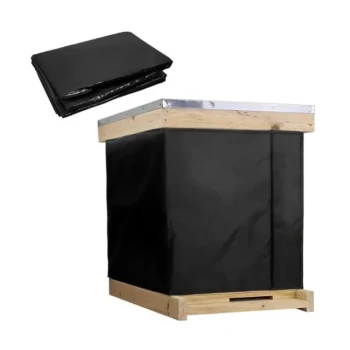
- Professional Insulated Winter Hive Wrap for Beekeeping
- Professional Insulated Plastic Bee Hives
- Inner Beehive Cover for Beekeeping Bee Hive Inner Cover
- All-Weather Plastic Bellows for Bee Smokers
- Premium Three Layer Ventilated Bee Suit with Round Veil
People Also Ask
- What are the steps to properly wrap a beehive for winter? Ensure Your Colony Survives the Cold
- When is the best time to wrap a beehive for winter? A Guide to Perfect Winterization Timing
- How do professional insulation wraps provide protection for bee colonies? Optimize Winter Survival & Energy Efficiency
- What are the technical benefits of using winter wraps for beehive insulation? Boost Colony Survival & Hive Health
- What are the benefits of using insulated covers for hives? Ensure Colony Survival and Health