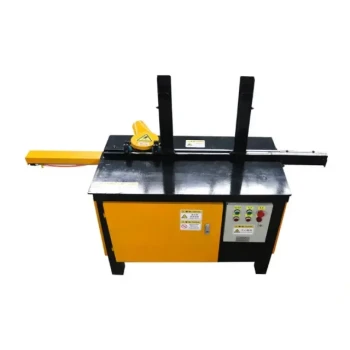
Electromagnetic grinding serves as the critical bridge between raw, chaotic biomass and standardized scientific material. Specifically, it transforms raw propolis—which is naturally sticky and irregular—into uniform particles with a high specific surface area. This physical transformation is the mandatory prerequisite for ensuring precise weighing, uniform distribution, and the consistent release of volatile compounds during laboratory tests or hive applications.
The Core Objective Raw propolis is too viscous and inconsistent for reliable direct use. Electromagnetic grinding standardizes the material's physical state, guaranteeing that the release of active ingredients is dictated by the chemistry of the sample, not the randomness of its particle size.
Overcoming Physical Limitations
The primary function of the electromagnetic grinding device is to neutralize the physical difficulties inherent to raw propolis.
Managing Viscosity and Shape
Raw propolis is naturally sticky and irregular, making it nearly impossible to handle with precision in its native state.
By subjecting the material to mechanical grinding, you convert these erratic, adhesive clumps into a manageable, free-flowing powder.
Achieving Particle Uniformity
Consistency is the bedrock of reliable data. The device processes the raw material into uniform particles, eliminating the variability found in hand-processed samples.
This uniformity ensures that every distinct unit of the material behaves similarly under experimental or application conditions.
The Role of Surface Area
The mechanical reduction of particle size does more than just make the material easier to hold; it fundamentally changes how it interacts with its environment.
Increasing Specific Surface Area
Grinding significantly increases the specific surface area of the propolis.
By exposing more of the material's interior matrix, you maximize the interface available for chemical or physical reactions.
Enhancing Ingredient Release
A larger surface area is critical for the consistent release of active ingredients, particularly volatile compounds.
In sensitivity tests or hive applications, this ensures that the bioactive dosage is delivered steadily and predictably, rather than trapped inside a dense chunk of resin.
Ensuring Experimental Precision
Beyond the physical properties of the powder, the use of this device directly impacts the accuracy of laboratory workflows.
Enabling Precise Weighing
Because the device produces a uniform powder, researchers can achieve precise weighing of samples.
This eliminates the weight fluctuations caused by sticky residues or uneven chunk sizes, which are common sources of error in quantitative analysis.
Facilitating Uniform Distribution
Whether applied in a hive or spread across a Petri dish, the powder allows for uniform distribution.
This stability prevents "hot spots" of high concentration and areas of low concentration, ensuring valid and reproducible results.
Understanding the Trade-offs
While electromagnetic grinding is essential for standardization, it introduces specific variables that must be managed to maintain sample integrity.
Thermal Sensitivity Risks
Mechanical grinding generates friction, which inevitably creates heat.
Since propolis is rich in volatile compounds that can degrade or evaporate at high temperatures, the grinding process must be carefully monitored to prevent thermal damage to the active ingredients.
The Necessity of Temperature Control
To counter the stickiness and heat sensitivity, propolis is often frozen prior to grinding (as noted in standard processing protocols).
Failing to maintain a low temperature during the process can result in the powder reverting to a sticky gum, clogging the device and compromising the particle uniformity.
Making the Right Choice for Your Goal
Whether you are conducting analytical chemistry or field biology, the quality of your pretreatment defines the quality of your results.
- If your primary focus is Laboratory Sensitivity Testing: Prioritize grinding to achieve maximum particle uniformity, ensuring that release rates of volatiles are identical across all test samples.
- If your primary focus is Hive Application: Focus on the distribution capabilities of the powder to ensure the propolis is spread evenly, preventing localized overdosing of active ingredients.
- If your primary focus is Chemical Extraction: Ensure the specific surface area is maximized to disrupt physical encapsulation, allowing solvents to penetrate the matrix fully.
Standardizing your physical sample is the single most effective step you can take to reduce experimental error.
Summary Table:
| Feature | Physical Benefit | Impact on Application |
|---|---|---|
| Particle Size | High uniformity and free-flowing powder | Ensures precise weighing and consistent dosing |
| Surface Area | Increased specific surface area | Maximizes release of volatile and active compounds |
| Viscosity | Neutralizes natural stickiness | Prevents clogging and facilitates even distribution |
| Form Factor | Standardized physical state | Eliminates variability and experimental error |
Elevate Your Propolis Processing with HONESTBEE
To achieve laboratory-grade results or commercial efficiency, standardizing your raw material is essential. HONESTBEE specializes in serving commercial apiaries and distributors by providing the industry's most reliable beekeeping tools, specialized hardware, and honey-processing machinery.
From advanced hive-making machines to precision honey-filling equipment, our comprehensive wholesale catalog is designed to optimize your workflow and maximize the value of your hive products. Let our experts help you scale your operations with equipment built for performance.
Ready to upgrade your apiary’s efficiency? Contact HONESTBEE Today
References
- Nora Drescher, Sara D. Leonhardt. Inside Honeybee Hives: Impact of Natural Propolis on the Ectoparasitic Mite Varroa destructor and Viruses. DOI: 10.3390/insects8010015
This article is also based on technical information from HonestBee Knowledge Base .
Related Products
- Electric Beeswax Flat Sheet Machine with Operating Tray for Wax Processing
- Digital Display Electric Honey Uncapping Knife for Beekeeping and Decapping
- Electric Adjustable Blade Honey Uncapping Plane
- Electric Honey Press Machine for Squeezing Honey Comb Press Equipment
- HONESTBEE professional Efficient Beekeeping Tool: Electric Spur Wheel Wire Embedder
People Also Ask
- What is the primary function of the double-roller extrusion system? Master Precision Beeswax Foundation Production
- How do cultural merchandise processing machines contribute to the economic value chain? Boosting Apiary Profitability
- How do specialized beeswax processing machines maximize the value of beekeeping by-products? Boost Your Apiary's ROI
- How does the machine flatten the beeswax? A Guide to Roller and Press Methods
- What are the key functions of a beeswax machine? Maximize Apiary Efficiency & Revenue with Professional Equipment