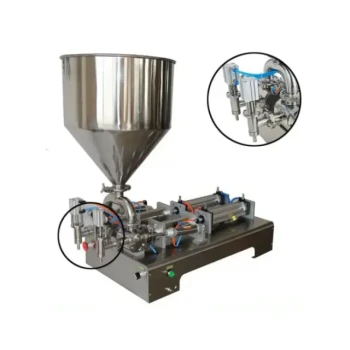
Automated filling and packaging machinery acts as the technological backbone for maintaining the integrity of Geographical Indication (GI) honey. It ensures strict adherence to hygiene protocols and provides the high-precision consistency required for premium certification. By standardizing sealing and labeling, this equipment creates the physical traceability and authenticity verification necessary to compete in high-end markets.
Geographical Indication certification demands rigorous proof of origin and uncompromised quality. Automated machinery bridges the gap between raw production and certified compliance by eliminating contamination risks, ensuring precise quantitative control, and enabling the standardized packaging required for authentic traceability.
Ensuring Compliance with Strict GI Standards
Precision in Quantitative Control
To maintain the credibility of a GI label, the product within the bottle must match the label exactly. High-precision filling machines utilize automated quantitative control to ensure the net content of every unit remains highly consistent. This consistency is essential for meeting legal measurement standards and building long-term consumer trust.
Establishing a Sterile Environment
GI production standards often mandate hygiene levels that are difficult to achieve manually. Automated equipment provides a sterile packaging environment, significantly reducing the risk of contamination from human contact. This adherence to sanitary protocols is often a legal prerequisite for obtaining and keeping certification.
Preservation of Physicochemical Properties
Honey is sensitive to its environment; exposure to air can lead to oxidation and degradation. Industrial-grade filling minimizes the honey's exposure to the atmosphere during processing. This maintains the honey's physicochemical stability, ensuring the distinct characteristics associated with its specific geography are preserved.
Enhancing Traceability and Brand Integrity
Hardware Support for Authenticity
GI status relies heavily on the ability to prove a product's origin. Automated machinery provides the hardware support necessary for standardized sealing and labeling techniques. These integrated systems make it difficult to tamper with the product, thereby securing the chain of custody from the facility to the consumer.
Transforming Raw Yield into Commercial Value
Automation facilitates the transition from simple agricultural production to sophisticated brand marketing. By converting bulk honey into standardized pre-packaged products, machinery allows producers to move away from low-margin sales. This deep processing capability is essential for entering urban and high-end retail markets where aesthetic uniformity is expected.
Operational Efficiency and Logistics
Improving Shelf Life and Stability
Proper packaging is the first line of defense against spoilage. High-quality sealing technology prevents moisture absorption, which is critical given honey's hygroscopic nature (its tendency to absorb water from the air). This extends the product's shelf life and ensures it remains stable during storage.
Enabling Long-Distance Logistics
GI products are often produced in remote regions but sold in distant urban centers. Standardized, machine-packaged bottles are optimized for long-distance transport. Robust packaging protects the product during logistics, opening access to broader markets that would be unreachable with fragile or inconsistent manual packaging.
Understanding the Trade-offs
The Cost of Entry
While automation adds significant value, it requires a substantial initial capital investment. For smaller, artisanal producers, the cost of high-precision machinery may be prohibitive without forming cooperatives or accessing financial incentives.
Maintenance and Technical Requirements
Transitioning to automated systems shifts the labor requirement from manual handling to technical oversight. Producers must ensure they have access to skilled technicians for maintenance and calibration. Equipment downtime can disrupt the rapid processing speeds necessary to stabilize product quality.
Making the Right Choice for Your Goal
To maximize the value of your GI honey, align your equipment choice with your specific business objective:
- If your primary focus is Regulatory Compliance: Prioritize machinery with advanced sterilization features and precise dosing controls to ensure you pass strict GI audits.
- If your primary focus is Brand Expansion: Select equipment with integrated, high-quality labeling and sealing capabilities to ensure shelf appeal and robust traceability.
Automated processing transforms honey from a raw agricultural resource into a verified, stable, and premium commercial asset capable of commanding high-value market prices.
Summary Table:
| Key Requirement | Role of Automated Machinery | Business Impact |
|---|---|---|
| GI Compliance | Precise quantitative control and sterile environments | Guaranteed certification & legal compliance |
| Authenticity | Standardized sealing and integrated labeling hardware | Fraud prevention & consumer trust |
| Quality Control | Reduced oxidation and moisture absorption | Preserved flavor and extended shelf life |
| Market Reach | Durable packaging optimized for logistics | Access to high-end urban & global markets |
Elevate Your GI Honey Production with HONESTBEE
Transitioning from raw yield to a premium, certified brand requires the right technological partner. HONESTBEE specializes in empowering commercial apiaries and distributors with high-precision beekeeping machinery and automated filling systems designed for the rigors of GI certification.
From honey-filling and hive-making machines to essential consumables and honey-themed cultural merchandise, we provide the full hardware spectrum to turn your harvest into a high-value commercial asset.
Ready to scale your apiary operations? Contact our experts today to discover how our wholesale solutions can optimize your production line and secure your brand's integrity.
References
- Jelena Vapa–Tankosić, Gordana Radović. Investment in Research and Development and New Technological Adoption for the Sustainable Beekeeping Sector. DOI: 10.3390/su12145825
This article is also based on technical information from HonestBee Knowledge Base .
Related Products
- Precision Automated Packaging Turntable Honey Spoon Filling Sealing Packing Machine
- Automatic Single-Dose Snap & Squeeze Honey Sachets Packing Machine
- Fully Automatic Honey Filling Packaging Machine for Processing Line
- Automatic Honey Filling and Filtering Machine for Beekeeping Bottle Filling
- Precision Durable Efficient HONESTBEE Rotary Honey Filling Machine
People Also Ask
- Why is the use of professional filling and sealing packaging machinery necessary for the production of high-value honey?
- What role do automated filling and packaging machines play in the honey supply chain? Scale Your Retail Distribution
- What are the benefits of automated honey filling and packaging? Scale Your Apiary with Industrial Precision
- What role do professional automated filling and packaging machines play in honey processing? Boost Efficiency & Value
- How do automated honey filling and packaging machines contribute to the market value of honey products? Maximize Your ROI