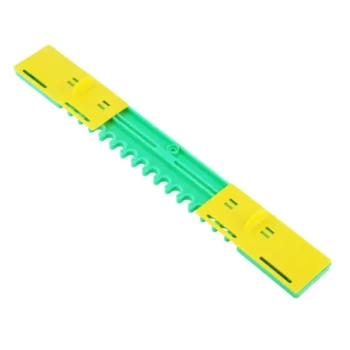
Durable migratory hive hardware is essential because commercial colonies are repeatedly moved between regions to follow seasonal nectar flows. These operations expose hive bodies, frames, covers, straps, and ventilation components to loading impacts, rough roads, heat, vibration, and repeated assembly. Reliable hardware protects colony stability during transit while helping apiaries maintain production across sunflower, lychee, rambutan, longan, rubber, citrus, clover, cotton, and other bloom cycles.
Migratory beekeeping is a logistics-intensive operation: if hive equipment fails during transport, the result can be colony stress, damaged infrastructure, lost production, or livestock loss. Durable, standardized, well-ventilated hardware turns repeated relocation into a controlled and scalable process.
Why Seasonal Floral Calendars Require Mobile Apiaries
Colonies must follow changing forage availability
Commercial apiaries relocate colonies when a major nectar or pollen source enters bloom in another region. Moving between successive floral flows allows beekeepers to extend the production season instead of relying on a single local harvest period.
This may involve moving from spring citrus or thyme areas to summer sunflower, clover, cotton, or tree-crop regions. In some markets, colonies may be relocated several times in one year.
Production depends on operational continuity
Every move creates a risk of downtime, colony disturbance, and equipment damage. Hardware must therefore support rapid loading, secure transport, efficient placement, and timely inspections at the next forage site.
A weak or inconsistent hive component can delay deployment across an entire apiary. For commercial operators, that delay can mean missing part of a short flowering window.
What Durable Hardware Protects During Relocation
Hive bodies must withstand repeated handling
Stackable wooden or plastic hive bodies are loaded, secured, unloaded, and restacked throughout the migratory cycle. Durable construction reduces the likelihood of cracked boxes, distorted joints, loose components, and poor alignment.
Standardized bodies also allow operators to manage colonies consistently across different locations. This is particularly important when apiaries use mechanized extraction, inspection, or maintenance processes.
Straps and locking components prevent movement
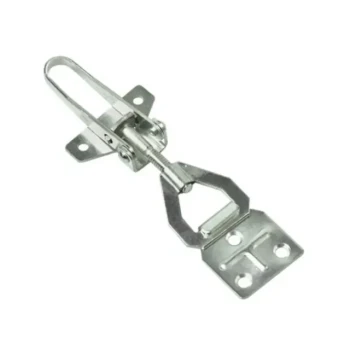
Hive straps and secure locking systems keep hive bodies together during transport. They reduce shifting caused by vibration, uneven roads, lifting, and sudden vehicle movement.
Secure fastening is not merely a convenience. It helps prevent hive separation, damaged comb, escaped bees, and dangerous handling conditions for workers.
Ventilation controls heat and transport stress
Closed hives transported in warm weather can accumulate heat and moisture. Ventilated covers, screened bottom boards, and suitable ventilation openings help maintain airflow while colonies are confined during transit.
Ventilation hardware must balance airflow with containment. Components that are durable, correctly fitted, and designed for transport help protect bees without creating avoidable escape or damage risks.
Mobile tools reduce physical impact
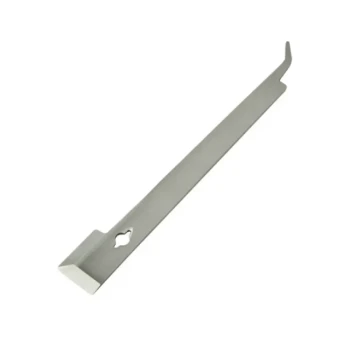
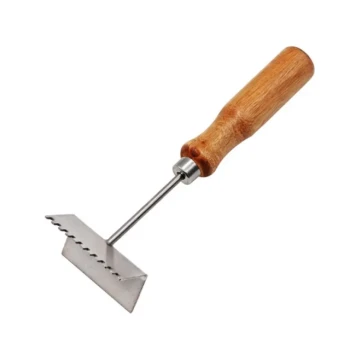
Specialized hive-handling and inspection tools make it easier for workers to lift, secure, open, and examine equipment without unnecessary force. This reduces the risk of damaging hive components and disturbing colonies more than necessary.
For large operations, tool consistency also improves worker efficiency. Teams can follow repeatable procedures instead of improvising at every relocation site.
Why Standardization Matters at Commercial Scale
Modular hives support changing colony strength
Migratory colonies can expand during strong nectar flows. Modular, detachable compartments allow beekeepers to stack additional bodies or supers as colony populations and honey stores increase.
The same modularity also supports separation between brood chambers and honey supers before extraction. This helps operators adapt hive configuration without replacing the entire unit.
Consistent dimensions improve compatibility
Precision-built hive components maintain consistent dimensions and tolerances across the apiary. Boxes, frames, covers, and bottom boards are more likely to fit correctly when produced to a common specification.
Consistency is valuable for both manual and mechanized workflows. It supports easier inspection, maintenance, honey extraction, and replacement of individual components.
Standardized equipment simplifies inventory
A commercial apiary must manage equipment across multiple forage zones and transport cycles. A standardized product portfolio reduces the number of incompatible parts that must be stocked, transported, repaired, or replaced.
For distributors and wholesalers, this creates a clearer sourcing model: customers can obtain coordinated hive bodies, ventilation components, straps, tools, and related consumables from one supply channel.
Hardware Must Support More Than Transport
Equipment protects colony management routines
Durable hardware helps preserve a stable physical environment for the colony during repeated movement. Correctly fitted hive components support breeding space, comb management, airflow, and routine inspections.
The objective is not simply to move boxes from one location to another. It is to relocate productive colonies while maintaining the conditions required for continued growth and honey production.
Biosecurity must accompany mobility
Moving colonies between regions can increase exposure to unfamiliar pests and pathogens. Durable equipment alone does not solve this risk, but reliable, cleanable, and standardized hardware makes inspection, isolation, and quarantine procedures easier to apply consistently.
Commercial operators should treat hive hardware, inspection routines, disease treatments, and biosecurity consumables as parts of the same mobile operating system.
Production equipment benefits from consistent hive design
Standardized hive geometry can support downstream equipment used for honey, pollen, or royal jelly collection. Consistent dimensions reduce adjustment requirements and help integrate hive management with larger-scale processing workflows.
This becomes increasingly important as apiaries seek to reduce manual handling and improve throughput across multiple seasonal locations.
Understanding the Trade-offs
Durability can increase initial cost
Heavy-duty materials, reinforced construction, precision manufacturing, and transport-grade fittings may cost more than basic hive equipment. However, the relevant comparison is total operating cost rather than purchase price alone.
Frequent breakage can create replacement costs, emergency sourcing, labor delays, transport disruption, and lost access to a short bloom period. Durable hardware is justified when its service life and operational reliability offset those risks.
Stronger equipment can add weight
More robust hive bodies, straps, and protective components may increase lifting and vehicle-load requirements. Apiaries should evaluate durability alongside worker ergonomics, vehicle capacity, loading methods, and route conditions.
The best specification is not necessarily the heaviest one. It is the equipment that provides adequate structural protection without creating unnecessary handling inefficiency.
Ventilation requires correct configuration
Adding ventilation without considering weather, duration, colony strength, and containment can create new problems. Components must be securely fitted and selected for the actual transport environment.
Ventilation should therefore be treated as a system involving covers, screens, bottom boards, openings, and transport procedures—not as a single accessory.
Standardization must match the operating model
Standardized equipment creates efficiency only when the dimensions and components match the apiary’s existing frames, extraction equipment, and handling practices. Buyers should verify compatibility before committing to large-volume procurement.
A supplier’s ability to provide coordinated specifications, responsive technical support, and replacement components is as important as the nominal product material.
What Distributors and Apiaries Should Source
Build a complete migratory equipment package
A reliable supply program should cover more than hive boxes. Core categories include:
- Stackable and modular hive bodies
- Frames and compatible hive compartments
- Secure hive straps and locking hardware
- Ventilated covers and screened bottom boards
- Transport and inspection tools
- Replacement components for field repairs
- Biosecurity consumables and disease-management supplies
A full-spectrum portfolio reduces the risk of mixing incompatible parts from multiple sources.
Prioritize fulfillment reliability
Migratory operations often follow narrow flowering windows. Delayed equipment can prevent colonies from reaching a target forage zone in time or leave an apiary operating with incomplete replacements.
Distributors and wholesalers should evaluate suppliers on inventory depth, response speed, order accuracy, delivery performance, and after-sales service—not only unit price.
Use precision manufacturing as a quality indicator
Consistent cutting, assembly, and dimensional control are important indicators of hive quality. Precision supports proper fit, repeatable ventilation, easier stacking, and compatibility with downstream equipment.
For high-volume buyers, it is also worth assessing whether the supplier can maintain the same specifications across repeat orders and large production runs.
Making the Right Choice for Your Goal
Select equipment according to the operational risk you are trying to control and the scale of your migratory program.
- If your primary focus is colony protection: Prioritize structurally durable hive bodies, secure straps, reliable locking components, and transport-appropriate ventilation.
- If your primary focus is maximizing seasonal honey production: Choose modular, standardized hives that can be expanded, relocated, inspected, and prepared for extraction efficiently.
- If your primary focus is lowering long-term operating costs: Invest in precision-built equipment with dependable service life, replaceable components, and broad compatibility.
- If your primary focus is wholesale or distribution efficiency: Source a coordinated, full-spectrum product portfolio from a supplier with rapid response, consistent quality, and reliable fulfillment.
- If your primary focus is large-apiary standardization: Use dimensionally consistent hive systems that support repeatable field procedures and mechanized downstream operations.
Durable migratory hive hardware gives commercial apiaries the structural reliability and operational consistency needed to follow floral calendars without sacrificing colony health or production continuity.
Summary Table:
| Aspect | Importance | Key Features |
|---|---|---|
| Hive Bodies | Withstand repeated handling | Stackable, durable construction |
| Straps & Locks | Prevent movement during transit | Secure fastening systems |
| Ventilation | Control heat and moisture | Ventilated covers, screened bottom boards |
| Standardization | Ensure compatibility and efficiency | Consistent dimensions and modular design |
Ensure your migratory apiary thrives with HONESTBEE's full-spectrum beekeeping equipment—from hive hardware to honey machinery. Our rapid delivery and dedicated support keep your colonies moving on schedule. Contact us today to discuss your wholesale needs and boost your operational reliability!
Related Products
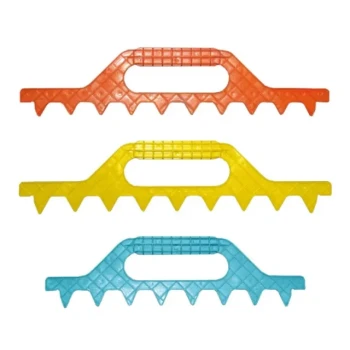
- Ergonomic Plastic Frame Spacer Tool for Rapid Hive Management Beekeeping
- Ergonomic Two Person Foldable Hive Lifter
- Professional Grade Foldable Beehive Handles
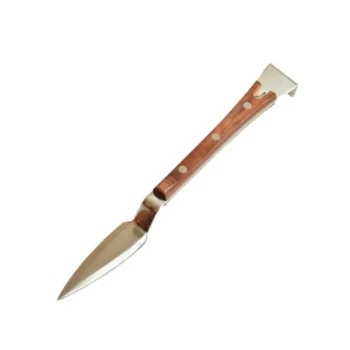
- HONESTBEE Premium Italian Style Hive Tool with Hardwood Handle
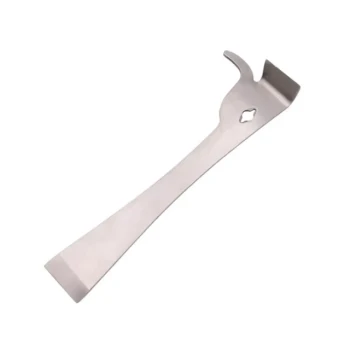
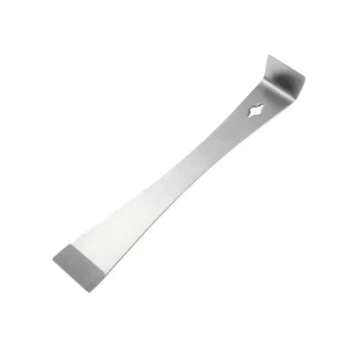
- Professional Multi-Function Stainless Steel Hive Tool
People Also Ask
- What specific challenges do beekeeping hive tools address during hive maintenance? Essential Solutions for Apiaries
- How do specialized beehive management tools support high-purity honey production? Master Monofloral Isolation
- How do specialized beehive management tools assist in the routine maintenance of bee colonies? Boost Hive Efficiency
- What additional equipment might be useful for beekeeping? Boost Hive Health & Efficiency
- How do spring inspections for honeybee starvation symptoms guide apiary management? Optimize Colony Survival & Growth