Early-season colony expansion is the foundation of profitable commercial pollination. Honey bee colonies overwinter with stored honey and pollen, allowing queens to resume strong egg-laying as spring begins. Rapid population growth creates the large foraging workforce needed to service early-blooming crops, while standardized removable-frame hives let operators inspect, strengthen, split, transport, and scale colonies efficiently.
Commercial pollination depends on having strong colonies before crops bloom, not after. Standardized removable-frame hives provide the modular system needed to build colony strength quickly, maintain consistent hive health, and manage large apiary networks with speed and reliability.
Why Early-Season Expansion Matters
Pollination contracts are tied to narrow bloom periods
Many commercial crops flower for only a limited period. If colonies are weak when bloom begins, beekeepers cannot fully recover the missed pollination opportunity later in the season.
Early expansion ensures that colonies reach sufficient population and foraging strength before fields and orchards require peak bee activity. This is particularly important for early-season crops such as rapeseed, which bloom when temperatures may still be relatively low.
More bees create greater field coverage
A growing colony produces more worker bees available for nectar collection and pollen transfer. A stronger foraging population can visit more flowers across a commercial growing area during the available bloom window.
For growers, this supports more consistent pollination. For beekeepers and service providers, it improves the ability to meet contracted hive-strength and placement requirements.
Overwintered resources support rapid buildup
Colonies enter spring with stored honey and pollen accumulated during the previous season. These reserves provide the energy and nutrients required for brood rearing before new floral sources become fully available.
The queen’s early-season laying activity can therefore translate into rapid population growth, potentially reaching tens of thousands of bees by midsummer when conditions and colony health are favorable.
Early management prevents a late-season bottleneck
A colony that is allowed to expand without timely intervention may become congested or swarm. Swarming reduces the workforce available for pollination and can disrupt planned hive movements.
Early inspections and frame manipulation allow beekeepers to manage brood space, maintain colony strength, and add capacity before population growth becomes difficult to control.
How Removable Frames Improve Hive Management
They make colony inspections practical
Removable frames allow technicians to examine brood patterns, food stores, queen performance, and signs of disease without dismantling the entire hive. This turns colony assessment into a repeatable management process rather than a disruptive event.
Commercial operators can identify weak colonies early and direct labor or equipment where it will have the greatest operational impact.
They enable targeted colony expansion
Beekeepers can move brood, food, and drawn comb between compatible colonies when appropriate. They can also use frames to equalize colony strength, support weaker units, or prepare colonies for specific pollination assignments.
This flexibility is central to building a uniform fleet of productive colonies rather than relying on each hive to develop independently.
They support controlled colony splitting
When a colony becomes sufficiently strong, removable frames make it possible to create splits using selected brood, food reserves, and suitable colony components. Splitting can expand the apiary and help manage excessive colony congestion.
The timing and method must be based on colony strength, weather, queen availability, and the intended pollination schedule. Splitting an underdeveloped colony can reduce rather than increase service capacity.
They allow rapid addition of honey supers
As populations increase and nectar flows begin, operators can add honey supers without replacing the basic hive structure. This provides additional space for nectar storage and helps reduce crowding in the brood area.
The same modular approach supports both pollination operations and honey production, improving the utilization of the hive fleet.
Why Standardization Matters at Commercial Scale
Uniform components create interchangeability
Standardized hive bodies, frames, and supers are manufactured to consistent dimensions. Compatible components can be stacked, replaced, transported, and reassigned across multiple apiaries.
This is especially valuable for distributors, wholesalers, and commercial beekeepers who need dependable compatibility rather than isolated, one-off equipment.
Consistent dimensions accelerate daily work
When every hive follows the same internal and external specifications, technicians do not need to adapt their procedures to different equipment formats. Inspections, frame transfers, repairs, and loading operations become faster and more predictable.
Uniform components also reduce delays when a damaged hive body or frame must be replaced during a busy pollination cycle.
Manufacturing precision supports operational reliability
Commercial hive-making machinery can produce wooden or polymer components with consistent cutting, assembly, and fit. Better dimensional control supports smooth stacking, stable transport, and efficient maintenance.
For large buyers, this manufacturing consistency is not merely a quality feature. It affects labor requirements, inventory planning, delivery coordination, and the total cost of managing a distributed apiary network.
Modular equipment makes scaling easier
A standardized hive system allows operators to expand by adding compatible units rather than redesigning their operating process. New colonies, replacement parts, supers, and frames can be integrated into the existing fleet.
This supports rapid order fulfillment and reduces the risk that an urgent pollination requirement will be limited by incompatible equipment.
How Standardized Hives Support Pollination Logistics
They simplify transport between regions
Commercial colonies are often moved between agricultural areas as different crops enter bloom. Durable, standardized hive bodies and frames are easier to load, stack, secure, inspect, and maintain during repeated movement.
Transport-ready equipment helps beekeepers respond to changing crop schedules without creating a separate handling system for every location.
They improve field-side assessment
A consistent internal arrangement allows technicians to evaluate colony condition and activity quickly after placement. This helps operators identify colonies that require attention before pollination performance is compromised.
Faster assessments are particularly important when many hives are distributed across orchards or fields and service teams must cover large distances.
They support emergency responses
Standardized hives make it easier to apply consistent procedures when colonies must be closed, ventilated, protected, or relocated because of nearby pesticide applications or other environmental risks.
However, hive construction alone does not eliminate pesticide risk. Effective protection also depends on timely communication with growers, correct closure procedures, adequate ventilation, and safe relocation planning.
They can improve environmental control
Well-constructed hive components can reduce unwanted drafts and help maintain a more stable internal environment. This may reduce the energy bees spend responding to external weather fluctuations, particularly during cool early-spring conditions.
The benefit depends on the hive design, local climate, ventilation, colony strength, and correct installation. Airtightness should never be treated as a substitute for proper ventilation.
Understanding the Trade-offs
Expansion requires labor and accurate timing
Rapid colony growth creates management opportunities, but it also increases inspection, feeding, frame-handling, transport, and record-keeping requirements. A business must have enough trained staff and equipment to manage the larger population effectively.
Expansion without operational capacity can create congestion, delayed inspections, and inconsistent colony quality.
Standardization does not guarantee colony uniformity
Identical hive equipment does not make colonies identical. Queen quality, disease pressure, forage availability, weather, nutrition, and management history still produce differences in colony strength.
Standardized equipment improves comparison and intervention, but colony-level decisions must remain based on actual inspections.
Equipment quality affects the value of standardization
Poorly manufactured or warped components can undermine interchangeability. Gaps, weak joints, inaccurate dimensions, or inadequate durability create delays and may compromise hive handling.
For commercial buyers, supplier reliability, manufacturing precision, material quality, and replacement availability should be evaluated alongside the initial purchase price.
Transport and weather create competing requirements
Hives must be strong enough for repeated movement while still providing appropriate ventilation and temperature control. Excessive sealing during transport or pesticide-related isolation can create overheating and moisture problems.
The correct solution is a durable, compatible hive system combined with established handling procedures and suitable accessories.
Making the Right Choice for Your Goal
The most effective commercial setup combines strong early-season colony development with a standardized equipment platform and dependable supply support.
- If your primary focus is meeting pollination contracts: Build colony strength before bloom and use removable frames to inspect, equalize, and reinforce colonies ahead of deployment.
- If your primary focus is expanding an apiary network: Choose standardized hive bodies, frames, and supers that can be stacked, exchanged, repaired, and replenished across all locations.
- If your primary focus is reducing operating costs: Prioritize manufacturing consistency, durable construction, component compatibility, and reliable replacement availability.
- If your primary focus is serving commercial customers: Work with suppliers capable of providing a full product range, rapid response, technical expertise, and efficient delivery when seasonal demand peaks.
Strong colonies create pollination capacity, and standardized removable-frame hives turn that capacity into a manageable, scalable commercial operation.
Summary Table:
| Aspect | Early-Season Expansion | Standardized Removable-Frame Hives |
|---|---|---|
| Timing | Builds strength before bloom | Supports rapid inspections and adjustments |
| Management | Requires timely interventions | Enables efficient frame manipulation |
| Scalability | Expands workforce for coverage | Facilitates splitting and supers |
| Logistics | Prepares for transport | Ensures compatibility and durability |
| Cost Efficiency | Reduces late-season bottlenecks | Lowers labor and replacement costs |
Ready to enhance your commercial pollination operations? Partner with HONESTBEE for a full spectrum of beekeeping equipment, from hive-making machinery to honey-filling tools, all designed for scalability and reliability. As a one-stop wholesale supplier, we offer rapid response, dedicated support, and ultra-fast delivery to keep your apiaries thriving. Contact us today for premium service and supply chain solutions tailored to your needs. Get in touch now!
Related Products
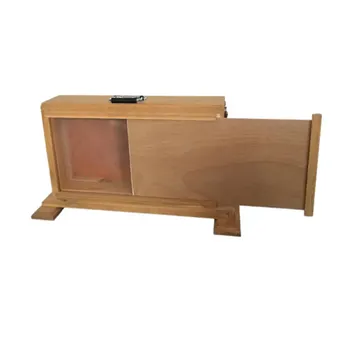
- Professional Observation Hive: The Ultimate Portable Solution for Beekeeping Education, Exhibitions, and Colony Displays
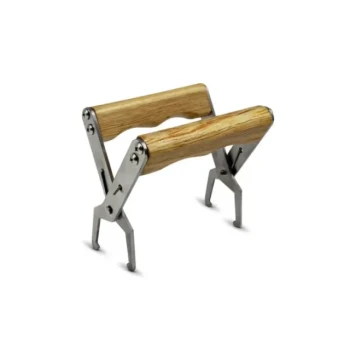
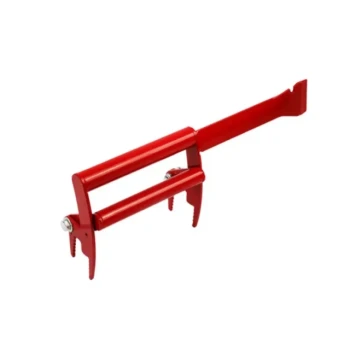
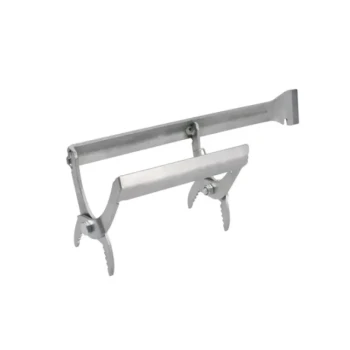
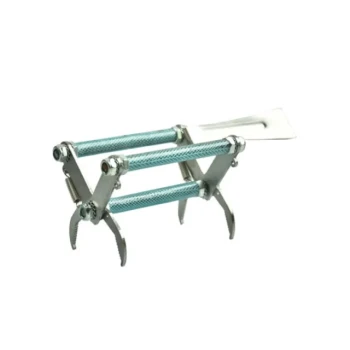
- Premium Frame Grip with Ergonomic Wood Handles
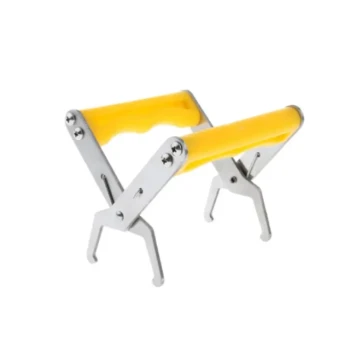
- Ergonomic High Visibility Plastic Frame Grip Handles
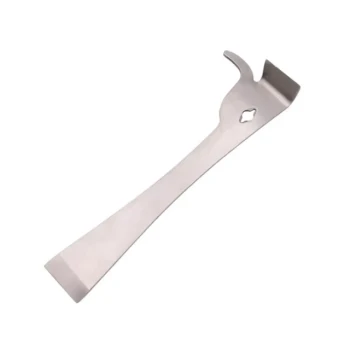
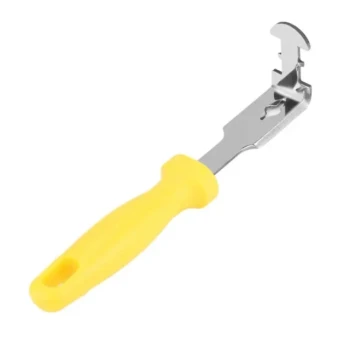
- Professional Multi-Function Stainless Steel Hive Tool
- Plastic Bee Frame Beekeeping Hive Frames for Wholesale
People Also Ask
- How does transitioning to modern hives boost honey yield? Increase production and product quality for your commercial apiary
- How do Langstroth and Dadant standard beehives compare regarding brood chamber management and component compatibility? Find the Perfect Fit for Your Apiary
- What are the key operational differences and structural trade-offs between Langstroth beehives and top-bar beehives for apiary management? Discover which hive system fits your operational needs.
- What are the primary differences between Langstroth, horizontal top bar, and Warré hive box designs when selecting beekeeping equipment? Choose the Right Hive for Your Apiary
- Why do commercial apiary operators transition from traditional hive structures, such as clay cylinders, to standardized Langstroth hive boxes? Discover Scalable Beekeeping Solutions