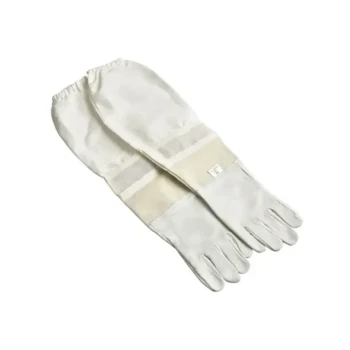
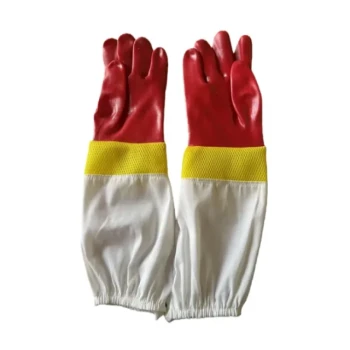
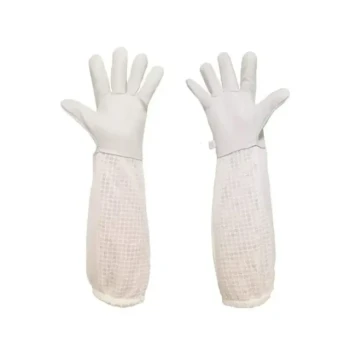
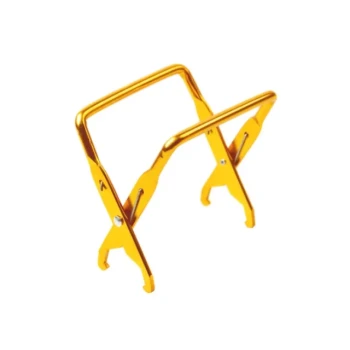
Frequent disinfection is the primary defense against human-assisted disease transmission in the apiary. Beekeeping gloves and hive tools are the instruments that make direct contact with the biological core of the colony—including honey, larval remains, and bee secretions. Without rigorous treatment using alcohol, bleach, or specialized disinfectants, these items act as vectors, mechanically transporting resilient pathogens like American Foulbrood (AFB) spores from infected hives to healthy ones.
Core Takeaway Tools and gloves are not passive instruments; in the context of biosecurity, they are potential transmission vectors. Disinfection is not merely about cleanliness, but about severing the "human-assisted transmission chain" that spreads disease faster and more effectively than the bees do themselves.
The Mechanics of Pathogen Transfer
The Risk of Biological Contact
During hive inspections, your tools and gloves inevitably come into contact with internal hive elements. This includes honey, propolis, and most critically, larval remains and secretions.
These biological materials are the primary reservoirs for colony diseases. If a tool touches infected material in one hive, it physically retains those pathogens on its surface.
The Resilience of AFB Spores
The primary driver for strict disinfection protocols is the nature of pathogens like American Foulbrood (AFB). AFB transmits via microscopic spores that are incredibly durable.
These spores can survive on equipment long after the visible debris is removed. Simple wiping is insufficient; chemical inactivation is required to prevent the spores from viable transfer.
Breaking the Transmission Chain
Preventing Human-Assisted Spread
While diseases can spread naturally through drifting bees, human intervention often accelerates the process. A beekeeper moves from hive to hive much faster than a drifting bee, potentially infecting an entire apiary in a single afternoon.
Consistent disinfection acts as a firebreak. It ensures that the biological status of one hive is neutralized before you manipulate the next.
The Role of Quarantine Zones
Beyond routine cleaning, biosecurity relies on equipment isolation. Dedicated tools should be used specifically for quarantine areas or suspected infected colonies.
Using separate equipment for these high-risk zones prevents cross-contamination. It eliminates the possibility of mechanically transferring spores to the general population of healthy hives.
Understanding the Trade-offs
Time Efficiency vs. Biosecurity
The most significant trade-off in strict disinfection is speed. Thoroughly scrubbing and chemically treating tools between every hive increases the time required for inspections.
This friction can be frustrating during large-scale operations or when trying to beat the weather. However, the time lost to disinfection is negligible compared to the time lost managing a widespread disease outbreak.
Equipment degradation
Frequent exposure to harsh chemicals like bleach or strong alcohol can degrade equipment. Metal hive tools may corrode faster, and leather gloves can become stiff or brittle.
Beekeepers must accept this accelerated wear as an operational cost. It is far cheaper to replace a hive tool or a pair of gloves than to burn infected colonies.
Making the Right Choice for Your Goal
To balance biosecurity with operational efficiency, apply these targeted strategies:
- If your primary focus is preventing outbreak in a healthy apiary: Carry a bucket of strong disinfectant (such as a bleach solution) and scrub your hive tool and wash gloves between every colony.
- If your primary focus is managing a known infection or quarantine yard: Use completely dedicated tools and gloves for that specific yard; never transport them to healthy sites, regardless of disinfection.
- If your primary focus is high-speed commercial inspection: Utilize a rotation system with multiple hive tools, keeping one soaking in disinfectant while using the other, or switch to disposable nitrile gloves for easier changing.
Effective biosecurity turns the beekeeper from a potential vector into the apiary's strongest guardian.
Summary Table:
| Aspect | Impact of Disinfection | Consequence of Neglect |
|---|---|---|
| Pathogen Spread | Severs the human-assisted transmission chain | Rapidly spreads spores (e.g., AFB) across hives |
| Colony Health | Maintains a clean, biosecure environment | Leads to widespread outbreaks and hive loss |
| Equipment Life | Slight degradation due to chemical exposure | High risk of contaminating new equipment |
| Time Efficiency | Requires extra time during hive inspections | Significant time lost managing diseased colonies |
Secure Your Apiary’s Future with HONESTBEE
At HONESTBEE, we understand that biosecurity is the backbone of a successful beekeeping operation. We provide commercial apiaries and distributors with high-quality, durable beekeeping tools, hive-making machinery, and honey-processing equipment designed to withstand rigorous disinfection protocols.
Whether you need bulk consumables for your distribution network or specialized hardware to scale your honey production, our comprehensive wholesale portfolio has you covered. Don't let preventable diseases compromise your investment—partner with us for reliable equipment and expert support.
Contact HONESTBEE Today for Wholesale Solutions
References
- Ebru Borum. Arilarin Yavru Çürüklüğü İnfeksiyonlarinda Doğru Teşhis, Mücadele Ve Korunma Yöntemleri. DOI: 10.31467/uluaricilik.376732
This article is also based on technical information from HonestBee Knowledge Base .
Related Products
- Goatskin Leather Beekeeper Gloves with Vent Long Sleeve for Beekeeping Honey Bee Sting Proof Protection
- Beekeeping Gloves Goatskin Leather with Long Cotton Sleeve for Beekeepers
- HONESTBEE Advanced Ergonomic Stainless Steel Hive Tool for Beekeeping
- Heavy Duty Red Rubber Beekeeping Gloves with Vented Mesh Cotton Sleeves
- HONESTBEE Professional Mini J-Hook Hive Tool for Beekeeping
People Also Ask
- What are the characteristics of goatskin beekeeping gloves? Enhance Dexterity and Protection in Your Apiary
- Why is it important to have gloves available even if not always worn? Essential Risk Management for Beekeepers
- What are the primary purposes of using beekeeping gloves? Protect Your Hands and Ensure Apiary Hygiene
- Why do some experienced beekeepers opt not to wear gloves? Discover the Benefits of Tactile Precision
- Why is it important for beekeepers to wear gloves? Essential Safety and Confidence for Hive Management