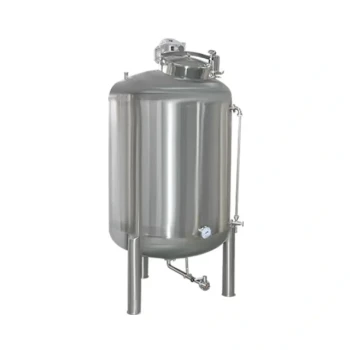
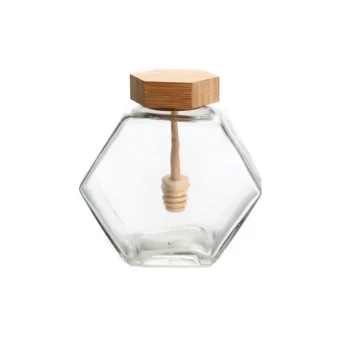
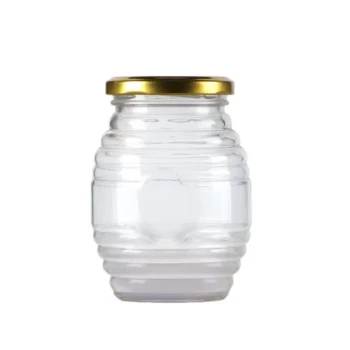
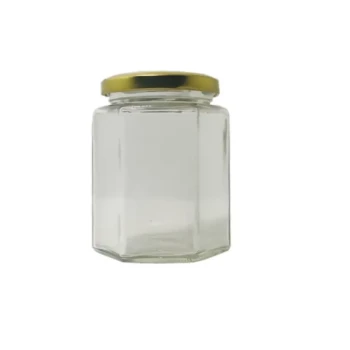
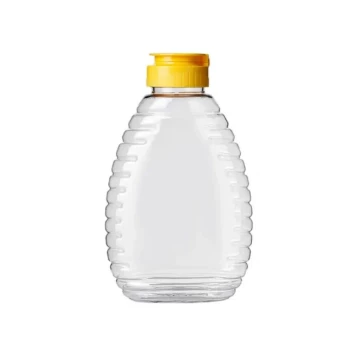
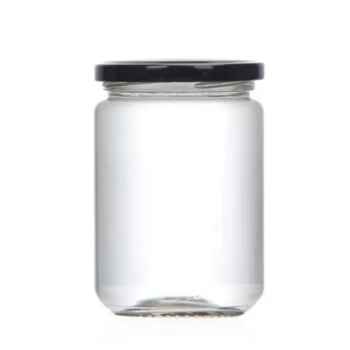
High-sealing storage equipment is non-negotiable for preserving Apis dorsata honey primarily because of its intense hygroscopicity. Without an airtight barrier, the honey effectively pulls moisture from the atmosphere, triggering rapid fermentation and permanently altering the sample's chemical composition before it can be analyzed.
Core Takeaway The integrity of any honey analysis relies entirely on the sample remaining unchanged from the moment of collection. High-sealing equipment provides the necessary isolation to lock in the original physicochemical profile, preventing moisture-induced fermentation and ensuring that laboratory results reflect the honey's true nature rather than storage artifacts.
The Critical Role of Moisture Control
Combating Hygroscopicity
Honey is a highly hygroscopic substance, meaning it naturally attracts and absorbs water molecules from the surrounding environment. High-sealing containers create an impermeable barrier that isolates the honey sample from atmospheric humidity. This is the only way to stabilize the water content during transport and storage.
Preventing Spontaneous Fermentation
When honey absorbs enough moisture to exceed critical thresholds (typically above 20%), it creates an environment where osmophilic yeasts can thrive. These yeasts consume sugars and produce alcohol and carbon dioxide, leading to spoilage. A tight seal maintains the low moisture environment required to keep these microorganisms dormant and the sample stable.
Ensuring Analytical Baseline Accuracy
Laboratory testing relies on the assumption that the sample provided represents the original product. If the moisture content fluctuates during storage, all subsequent physicochemical measurements—such as acidity, viscosity, and specific gravity—will be skewed. Sealing guarantees that the data generated in the lab corresponds to the honey's condition at the hive.
Preserving Chemical and Sensory Integrity
Stopping Oxidative Degradation
Exposure to oxygen accelerates the breakdown of honey’s delicate biochemical structure. High-sealing jars, often screw-cap glass or high-grade plastic, prevent continuous air exchange. This suppression of oxidation is vital for maintaining the honey's color and preventing enzymatic browning.
Retaining Volatile Compounds
The unique flavor and aroma of Apis dorsata honey are derived from volatile organic compounds. In an unsealed container, these compounds evaporate and disperse. High-sealing equipment traps these volatiles, ensuring that sensory evaluations accurately detect the honey's original floral notes and origin characteristics.
Blocking Exogenous Contamination
For specialized testing like pollen analysis or biochemical monitoring (e.g., HMF and diastase activity), sample purity is paramount. Sterile, sealed jars strictly prevent secondary contamination from dust, external microbes, or foreign particles. This ensures that any impurities found during testing are inherent to the honey, not introduced during storage.
Understanding the Trade-offs
Material Compatibility Matters
While a tight seal is necessary, the container material itself presents a potential variable. High-sealing is ineffective if the material is not food-grade, as harmful substances can migrate from the packaging into the honey. You must ensure the equipment is chemically inert to prevent leaching that would compromise chemical analysis.
Sealing is Not a Cure-All
A perfect seal prevents moisture ingress, but it does not stop temperature-dependent degradation. Sealing must often be combined with cold storage (typically 3–4°C) to fully arrest enzymatic changes. Relying on sealing alone without temperature control may still result in rising HMF levels over time.
Making the Right Choice for Your Goal
When selecting storage equipment for Apis dorsata honey, consider your downstream applications:
- If your primary focus is Physicochemical Analysis: Prioritize airtightness above all else to lock in moisture content and acidity levels, ensuring your quantitative data is precise.
- If your primary focus is Sensory or Origin Tracing: Ensure the container is made of inert, non-reactive materials (like glass) to prevent plastic off-notes from interfering with delicate flavor profiling.
The quality of your data can never exceed the quality of your sample preservation strategy.
Summary Table:
| Preservation Factor | Impact of High-Sealing Equipment | Analytical Benefit |
|---|---|---|
| Moisture Control | Blocks hygroscopic water absorption from the air | Prevents fermentation and stabilizes water content |
| Oxidation | Limits oxygen exposure and air exchange | Stops enzymatic browning and maintains color |
| Volatiles | Traps volatile organic compounds (VOCs) | Preserves original floral aroma and flavor profile |
| Purity | Prevents dust and microbial ingress | Ensures results reflect hive conditions, not storage |
| HMF Levels | Slows chemical breakdown (when paired with cooling) | Maintains diastase activity and biochemical integrity |
Maximize Your Harvest Quality with HONESTBEE
At HONESTBEE, we understand that the integrity of your honey—from Apis dorsata to local varieties—depends on professional-grade equipment. As a leading partner for commercial apiaries and distributors, we provide a comprehensive wholesale range of high-sealing storage solutions, honey-filling machinery, and hive-making equipment designed to preserve your product's chemical and sensory profile.
Whether you are looking for specialized hardware or essential industry consumables, our portfolio offers the tools you need to scale your operations and protect your brand value. Contact HONESTBEE today to discover how our tailored beekeeping solutions can optimize your production and distribution workflow!
References
- Rizwana Kousar. Physcio-chemical variations in the honey produced by Apis dorsata from Punjab, Pakistan. DOI: 10.19045/bspab.2017.60039
This article is also based on technical information from HonestBee Knowledge Base .
Related Products
- Stainless Steel Honey Storage and Settling Tank with Double Strainer
- Professional Honey Storage Tank with Agitation System
- Stainless Steel Honey Storage Tank with Lid for Honey
- Hexagonal Glass Honey Jar with Wooden Lid Integrated Dipper Elegant Functional Storage
- Stainless Steel Honey Tank Stand for Honey Storage
People Also Ask
- What economic role do honey storage tanks play? Boost Your Revenue Through Strategic Inventory Management
- What roles do industrial honey storage tanks and filtration meshes play in processing? Ensure Purity & Consistency
- What is the purpose of a honey storage tank? Streamline Your Honey Processing for Quality & Efficiency
- What role do settling tanks play in honey production? Achieve Pure, High-Clarity Honey Naturally
- Why are large settling tanks used in the honey clarification process? Achieve Natural Purity & Batch Consistency