High-temperature flaming is the definitive solution for sterilizing metal beekeeping tools because it physically destroys persistent pathogens that chemical cleaners often miss. By subjecting tools to intense heat, you achieve the rapid inactivation of dangerous microsporidian spores, ensuring that shared equipment does not become a vector for disease transmission between colonies.
Scorching provides a superior level of biosafety by physically neutralizing pathogens on complex metal surfaces. It is a direct, rapid method essential for preventing cross-infection in apiaries without relying on corrosive chemicals.
The Mechanics of Thermal Sterilization
Targeting Persistent Spores
Metal tools frequently come into contact with infected colonies, acting as carriers for resilient threats like microsporidian spores. These pathogens are notoriously difficult to eliminate with standard cleaning agents.
High-temperature flaming works by inactivating these pathogens at a fundamental, physical level. The heat denatures the biological structure of the spores, rendering them unable to infect the next colony you inspect.
Addressing Complex Geometries
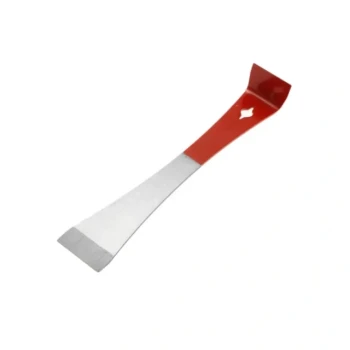
Hive tools often feature crevices, sharp scraping edges, and irregular shapes where microscopic pathogens can hide. Liquid disinfectants may fail to fully penetrate these intricate areas or require long soaking times to be effective.
Scorching overcomes this by enveloping the tool in heat. This ensures that even the most difficult-to-reach surfaces are thoroughly sterilized.
Advantages Over Chemical Methods
rapid Turnaround
Time is often a constraint when managing multiple hives. Chemical sterilization usually requires a specific "dwell time" to kill bacteria and spores effectively.
Flaming is a rapid process. It allows you to sterilize a tool and return to work almost immediately, maintaining efficiency without sacrificing biosafety.
Avoiding Chemical Corrosion
Strong chemical disinfectants can be corrosive to certain metals over time. Repeated exposure may degrade the quality of your tools or leave residues that could be harmful to bees.
Thermal sterilization removes the need for these harsh solvents. It utilizes the natural heat resistance of metal tools to clean them without chemical wear.
Understanding the Constraints
Material Limitations
It is critical to remember that this recommendation applies strictly to metal tools. Tools with plastic handles, rubber grips, or painted coatings are not suitable for scorching.
Applying high heat to non-metal components will cause melting or toxic fumes. You must verify that your equipment is constructed entirely of heat-resistant metal before attempting this method.
Fire Safety Risks
While effective for biosafety, introducing an open flame into an apiary environment requires caution. The risk of accidental ignition of dry smoker fuel, hive components, or protective clothing is real.
Integrating Scorching into Your Workflow
To maintain a healthy apiary, you should apply this method strategically based on your equipment and infection risk.
- If your primary focus is rigorous disease control: Scorch your metal tools between every hive inspection to immediately break the chain of transmission for persistent spores.
- If your primary focus is equipment preservation: Verify your tools are solid metal and use flaming to avoid the long-term corrosive effects of harsh chemical baths.
Adopting high-temperature sterilization is a proactive, professional step toward rigorous biosafety and healthier colonies.
Summary Table:
| Feature | Thermal Sterilization (Flaming) | Chemical Disinfection |
|---|---|---|
| Effectiveness | Destroys resilient microsporidian spores | May miss pathogens in crevices |
| Speed | Rapid, immediate turnaround | Requires long 'dwell' or soaking time |
| Tool Longevity | No chemical corrosion or residue | Can degrade metal and leave residues |
| Reach | Penetrates complex geometries easily | Limited by surface tension/penetration |
| Limitations | Metal tools only; fire safety risk | Can be used on various materials |
Elevate Your Apiary’s Health with Professional-Grade Equipment
Maintaining rigorous biosafety is critical for commercial success. HONESTBEE specializes in supporting commercial apiaries and distributors with a comprehensive range of premium beekeeping tools, specialized hive-making machinery, and honey-filling systems. Whether you need durable metal hardware built to withstand thermal sterilization or essential industry consumables, our portfolio offers the reliability your business demands.
Ready to scale your operations with industry-leading equipment?
Contact HONESTBEE Today to discuss our wholesale offerings and discover how our specialized machinery can enhance your productivity and colony health.
References
- Sergey A. Timofeev. NOSEMOSIS TYPE C OF BEES CAUSED BY MICROSPORIDIA Nosema (Vairimorpha) ceranae: CURRENT VIEWS, PATHOGENESIS, PREVENTION, DIAGNOSIS AND TREATMENT (review). DOI: 10.15389/agrobiology.2023.2.274eng
This article is also based on technical information from HonestBee Knowledge Base .
Related Products
- Professional Dual-End Stainless Steel Hive Tool for Beekeeping
- HONESTBEE Advanced Ergonomic Stainless Steel Hive Tool for Beekeeping
- Stainless Steel J Hook Hive Tool for Beekeeping
- Durable Galvanized Steel Frame Grip
- HONESTBEE 15-in-1 Beekeeper Multi-Tool with Hammer and Pliers for Beekeeping
People Also Ask
- What specific challenges do beekeeping hive tools address during hive maintenance? Essential Solutions for Apiaries
- Why are professional hive tools considered indispensable? Master Beekeeping Maintenance with Precision Leverage
- What is the role of professional hive tools in routine apiary maintenance? Expert Tips for Hive Health and Longevity
- What role do professional beehives and beekeeping tools play in honey prosumption? Scale yield & commercial success.
- What are the primary functions of a stainless steel hive tool? Essential Equipment for Professional Beekeeping